Home Blog Page 30

Enterprise design thinking

Enterprise design thinking cannot be properly defined without making reference to what it was built upon- the design thinking process. However, while both design thinking and enterprise design thinking share fundamental principles, methodologies, and objectives, they differ in scope, context, and application. Read on as we shed light on these distinct concepts.

Understanding Enterprise Design Thinking

As indicated by its name, enterprise design thinking concentrates on enterprises – large corporations, and intricate environments by utilising design thinking approaches. This involves more than just developing new products and services; it also involves developing new strategies, reorganising businesses, and changing corporate cultures. Enterprise Design Thinking is tailor-made for large corporations with complex and intertwined challenges. These challenges are broken down and approached using enterprise thinking processes, which will be discussed in the following section.

Process of Enterprise Design Thinking

The enterprise design thinking process is not a rigid framework but a flexible roadmap, designed to adapt to the unique needs and contexts of each enterprise endeavour.

Empathise 

The process begins with empathy, which is like the core of the enterprise design thinking. This stage emphasises the significance of being aware of your users, comprehending their requirements, desires, and frustrations. It includes engaging with users through either verbal conversations or through observing their behaviour. This will assist businesses in obtaining the necessary information they require.

Define

Armed with empathy, the next step is to define the problem. In this phase, you distil your research findings into actionable insights, identify patterns, and articulate clear problem statements. By defining the scope and boundaries of the challenge, you lay the foundation for creative ideation and solution generation.

Ideate

Having a thorough grasp of the issue, now is the moment to let your imagination run wild. Ideation involves coming up with a variety of ideas, whether they are unconventional or realistic, without any criticism or limitations. It includes brainstorming meetings, sketching activities, and other innovative methods to examine different viewpoints and potential outcomes.

Prototype

Prototyping, is a method of bringing ideas into a tangible form, to determine their feasibility. Prototypes aim to quickly evaluate ideas, receive feedback, and improve solutions based on real observations, rather than focusing on achieving perfection.

Test

The last step in the process is to test the desired solution, where prototypes are given to users and stakeholders to receive feedback and validation. Testing is a continuous process that involves using insights from each round to make refinements and improvements to the solution. By accepting feedback and making iterations, you guarantee that your solutions are genuinely focused on the user and suitable for the intended purpose.

However, working together is crucial at every level. Multidisciplinary in nature, enterprise design thinking draws on a range of viewpoints and specialties, from those of designers and engineers to business executives and end users. Through the encouragement of collaboration, curiosity, and trial-and-error testing, firms may apply design thinking to tackle challenging issues, ignite innovation, and leave a lasting impact.

Implementing Enterprise Design Thinking

Introducing enterprise design thinking in a company goes beyond just embracing a new approach; it necessitates a significant change in attitude, culture, and behaviours. Outlined below are strategies for organisations to successfully implement enterprise design thinking.

  1. In implementing new organisational processes, various issues often reveal themselves. One of these issues is resistance to change. Enterprises must cultivate a culture that values creativity, empathy, and experimentation. They should foster open communication, risk-taking, and a willingness to accept new methodologies. 
  1. Leaders must not only support enterprise design thinking but also promote its adoption and integration into current processes. It is necessary for them to assign resources, eliminate obstacles, and set a positive example by adopting a user-focused approach.
  1. Training and educational sessions to prepare staff with the necessary tools, skills, and mindset for successful enterprise design thinking should be ensured in organisations. Provide workshops, classes, and practical activities to develop design thinking skills throughout the company.
  1. Give importance to engaging users during the entire design process. Engage users and stakeholders in the early stages frequently to collaboratively develop solutions that align with their needs and preferences. Perform user research, test usability, and hold feedback sessions to confirm assumptions and make iterative design improvements
  1. Establish precise metrics and key performance indicators (KPIs) for assessing the effectiveness of enterprise design thinking efforts. Monitor advancement, collect input, and consistently adjust according to data-driven observations. Track results such as enhanced user happiness, boosted productivity, and company expansion.

Tools and Resources for Enterprise Design Thinking

In enterprise design thinking, having the appropriate instruments and resources at hand can significantly ease implementation and processes. Some of these tools include; 

  1. Post-its – Post-its are sticker like coloured papers used to map and organise ideas. Every concept is written down on its own sticky note, and then organised into clusters based on similarities or themes. This procedure aids teams in recognising patterns, revelations, and possibilities, ultimately enhancing problem-solving and decision-making with greater precision.
  2. Five-whys – The five whys are a very effective technique for discovering the underlying cause of an issue. Change any issue into a question starting with “Why” – “Why is the issue occurring?” or “Why is the issue problematic?” Respond to that inquiry and construct it into a different “why” inquiry. Keep going until you finish asking the five whys, and hopefully, you will uncover the underlying issue. The objective is to identify the root causes of an issue rather than simply treating its surface symptoms.
  3. Personas – Personas are made-up individuals that are designed to embody various user categories, utilising information from actual users as a foundation. They are employed in design thinking and user-centred design methods to empathise with users, grasp their needs, motivations, and behaviours, and create products or services that fulfil their particular needs.
  4. Whiteboards – Whiteboards are useful tools for showcasing ideas, clarifying procedures, and giving interactive presentations. Using whiteboards allows presenters to quickly highlight key points, add notes to slides, and create diagrams, all of which enhance audience engagement and comprehension.
  1. Canva – With the help of Canva, users can work together to create a variety of visual content, including presentations, interfaces, posters, and much more, without the need for sophisticated design knowledge.
  2. Miro – Miro is a collaborative tool similar to Canva that aids in design creations,  prototypes, and much more. Due to its simple methodology, even those without a great deal of experience can utilise it.
  3. Google Docs – Google Docs is an online word processing software that lets users create, edit, and collaborate on documents at the same time.


Design Thinking Consulting

The same way organisations constantly seek fulfillment for their customers, the customers also have diverse online needs, and they expect more than ever before from their online interactions. Delivering consistent, frictionless experiences across various devices and platforms is no longer a luxury, it is a necessity. This is where design thinking consulting comes in. Design thinking consulting provides organisations with a structured framework and expert advice to effectively implement design thinking principles. Businesses can open up new possibilities for innovation, enhance user experiences, and boost business growth by collaborating with design thinking consultants.

In this read, the benefits of integrating design thinking in corporate settings, the range of services offered by design thinking consultants, and practical illustrations of successful implementation across various industries will be discussed. No matter the role you are assuming, understanding the role of design thinking consulting can empower you to drive positive change and achieve your strategic objectives.

Benefits of Design Thinking Consulting

Experience-Driven

Design thinking consulting fosters a culture of innovation within organisations by encouraging fresh perspectives, developing distinctive and captivating digital experiences, and supporting organisations in bringing about transformative change.

Results-Oriented

Consultants specialising in design thinking prioritise gaining insight into the needs, preferences, and challenges faced by end-users. This focus on the customer guarantees that the solutions meet actual user requirements, leading to increased satisfaction and loyalty.

Accelerated Problem Solving

Design thinking consultants are like creative problem-solving coaches for businesses. They guide teams through fun and interactive activities to come up with innovative solutions to tough problems. During these activities, they try out different ideas, prapare prototypes, and test them with the consumers themselves. This approach helps businesses find the best solutions faster. It is like taking a shortcut to success, helping companies stay flexible and ahead of the game in today’s fast-paced world.

Cross-Functional Collaboration

Design thinking does not have to be a very serious process. A mind seeking creative solutions cannot be limited to a train of thought. Hence, sometimes, these consultants are like party hosts, setting up fun activities and games in workshops where people from different teams can work together to solve tricky problems. By mixing and matching ideas from different minds and backgrounds, they help create super solutions that everyone feels proud of. It is teamwork at its best, making sure no good idea gets left behind!

Organisational Culture Transformation

The presence of design thinking consultants in organisations is one of the surest ways to transform them. These consultants work in tandem with top executives to introduce innovation into meeting procedures and project strategies, among other areas of your organisation’s operations. This cultural transformation fosters  an attitude of constant development, versatility, and resilience.

Services Offered by Design Thinking Consultants

Design thinking consultants offer a number of services. 

  1. They organise interactive workshops to introduce individuals and organisations alike to the entire design thinking process, the concepts, principles, and methodologies involved. These workshops typically include practical activities, and facilitated discussions to help participants understand how to apply design thinking to their specific challenges.
  2. Design thinking consultants assist organisations in developing innovation strategies aligned with their business goals and objectives. They carry out investigations, examine consumer patterns, and pinpoint areas in need of innovation.
  3. Consultants in design thinking use techniques like mind mapping, brainstorming, and drawing to foster creative thinking and produce ideas. They also help groups refine and develop ideas further into implementable prototypes.
  4. Think of design thinking consultants as the architects of change in a company’s culture. They are comparable to interior decorators who add enchanting outlook to the office, transforming it into a centre of imagination and originality. These consultants collaborate with leaders to bring about change, inspire innovation, promote teamwork, and foster a culture of continuous learning. They are the driving force behind the transformation, making sure that design thinking becomes second nature to everyone in the organisation
  5. They also act as mentors. Similar to a personalised exercise regimen, these consultants provide interactive training sessions that are customised to meet the demands of your workforce. Exactly like a coach, they provide unwavering support throughout the process, enabling you to apply your newly acquired abilities and accomplish your objectives.
  1. Design thinking consultants facilitate design sprints, which are intense workshops that compress the entire design process into a structured five-day schedule. It is like an innovation seminar where you work as a team to overcome obstacles and come up with viable ideas. Design sprints are ideal for accelerating creativity and resolving issues quickly.

With their bag of tricks full of design thinking methods and tools, these consultants help businesses unleash their inner creativity. The key is to transform concepts into actuality, satisfy clients, and remain ahead of the game.

Design Thinking Consulting  Firms

IDEO

IDEO

IDEO functions as the pioneer of design thinking. They inspire to provoke, and transform businesses as they come up with innovative solutions by focusing on what people need and want.

KPMG

KPMG

While KPMG is widely known as one of the “Big Four” accounting firms, it also offers a range of consulting services, to help businesses address various challenges, drive growth, and create awesome innovative solutions that people love to use.

Designit

Designit

UX Studio is a company that specialises in design consulting. They assist businesses in producing interactive products that are inviting, interesting, and easy to use. 

Doblin (a Deloitte business)

doblin

They are like the problem-solvers of the business world. Doblin use design thinking to help companies grow and stay ahead of the competition.

Web Design 3.0

The earth today is very different from  the past. Processes are becoming more efficient, interactions are becoming more targeted, and designs are becoming more seamless and captivating—all subtly but gradually. These transformations are driven by growth. While many attribute it solely to technological advancement, it is also the result of fundamental growth—a shift in our thinking and comprehension. Within this context, Web Design 3.0 stands out as a pivotal development.

Web Design 3.0 marks a significant evolution in how we create and experience websites. The era of static pages and generic layouts is over. Today, we are entering a world where  Web 3.0 technologies converge to deliver an impeccable online experience. Read on as we broaden your horizons and explore the transformative impact of Web Design 3.0.

Understanding Web Design 3.0

This latest advancement in website development, known as Web Design 3.0, places a strong emphasis on providing tailored, dynamic, and user-driven browsing experiences. Cross platform integration, augmented reality (AR), and virtual reality (VR) characteristics have been incorporated into the web design 3.0 concept to make websites more user-friendly and responsive to individual demands.

Key Features of Web Design 3.0

Personalisation

Web Design 3.0 utilizes Artificial Intelligence (AI) and machine learning to assess user actions and interests. This implies that with Web design 3.0, websites have the capability to adjust in order to offer content customized for individual users. 

Interactivity

Websites created using Web Design 3.0 are extremely engaging. They respond instantly to user input and often incorporate features like voice assistants to help with site navigation, chatbots for rapid answers, and 3D visuals for a more engaging and dynamic online experience.

Immersive Experiences

By incorporating AR and VR, Web Design 3.0 offers experiences that go beyond simple online browsing. As an illustration, consider being able to walk through a home you are thinking about purchasing virtually, or virtually access fittings for your room to make sure it fits before making a purchase.

Conveniency

Web Design 3.0 emphasizes the importance of mobile-friendly design as a greater proportion of users access the web via mobile devices. This simply means that websites can be designed to work seamlessly across all platforms, including desktops, iPads, and mobile devices, guaranteeing a consistent and enjoyable user experience.

Enhanced Performance and Speed

User satisfaction relies heavily on speed and performance. Web Design 3.0 employs innovative coding methods and efficient frameworks to make sure websites load fast and operate smoothly, decreasing the likelihood of users abandoning the site because of slow loading times.

Security and Privacy

Due to increasing worries regarding data privacy, Web Design 3.0 prioritizes secure design techniques. Websites are constructed with strong security features to safeguard user information and adhere to privacy laws, ensuring users feel secure when engaging with a website.

How It Differs from Previous Generations

Web Design 1.0

During this initial phase of web development, websites primarily consisted of static HTML pages that lacked interactive elements. Most websites were focused on providing information and did not customize to user preferences or input.

Web Design 2.0

We also refer to this period as the social media age. Thanks to technologies like CSS and JavaScript, people were able to either create their own content or consume pre-existing content on the website .

Web Design 3.0

As the expression goes, third time’s the charm. Expanding upon the principles of Web Design 2.0, the third iteration introduces enhanced customisation, live interaction, and immersive features such as augmented reality and virtual reality. The main emphasis is on developing a tailored and interactive user experience.

In essence, Web Design 3.0 involves developing intelligent, engaging, and customised online experiences that adjust according to the preferences and requirements of each user. It represents a notable advancement from earlier iterations, incorporating fresh technologies to enhance the interactivity, effectiveness, and safety of websites.

Renowned establishments that use Web design 3.0

  • Based on a consumer’s viewing preferences and behaviors, Netflix use AI to recommend films and TV series. Web design 3.0 eables the platform to be user-friendly and responsive, providing a seamless viewing experience.
  • Facebook provides a unique user experience through personalised news feeds and dynamic content, powered by intricate algorithms. The interactive elements of the platform, such as reactions and comments, help encourage user engagement.
  • Sephora uses AR technology for users to virtually test makeup products on their website and app. This immersive experience is a key feature of Web Design 3.0, improving user engagement and contentment.
  • Tesla’s website offers users an engaging experience through interactive features and real-time updates. Tesla’s website showcases innovative web design by offering the ability to customise car models and explore features via AR technology.
  • Nike’s website engages customers with customised product suggestions and engaging content. An immersive shopping experience is offered via the site’s interactive design elements,powered by web design 3.0 features, which include 3D renderings of the products.

Web Design 3.0 tools

There are various Web Design 3.0 tools available for developers and product designers alike. All you have to do is choose what aligns with your needs. A few are shown below;n experienced web designer without having a strong grasp of this tool. Figma is completely available for use at no cost. It was designed for the web, but also offers a desktop app. The user experience is seamless and effortless, with no added complexity. Every button and function is designed to facilitate the creation of personalised designs. The integration of Figma’s tool with different plugins and application plugin interface (APIs) enhances its functionality, making it a flexible tool for Web 3.0 projects.

Framer

Framer

Framer is also a tool in this same category. Framer is a tool that supports cross platform collaboration and merges design and code into one tool, enabling designers to craft interactive prototypes with sophisticated animations and interactions.

Sketch

Sketch

Sketch is a distinctive top design software for Mac OS. What makes Sketch incredibly popular and in high demand is its comprehensive features for digital design, such as website and mobile app design, prototyping, and additional functionality through plugins. Its emphasis on adaptive design guarantees that websites appear visually appealing on any device, a crucial element of Web 3.0 design.

Explore similar topics:

Web 3.0 apps

Web 3.0 websites

Web 3.0 marketing

Web 3.0 stocks

Web 3.0 metaverse

Web 3.0 applications

Web 3.0 Jobs

0

Web 3.0 introduces more to our timeline than simply improving on Web 2.0. The advancement of Web 3.0 is creating many new employment opportunities, making far reaching changes not only the tech sector but also other industries. Professionals must comprehend the necessary skills to succeed in these emerging positions to stay competitive in a rapidly changing job market. Continue reading to gain further understanding of the careers in the Web 3.0 environment.

Emerging job roles in Web 3.0

Blockchain Developer

A blockchain developer specialises in working with blockchain intricacies. These developers are responsible for programming, developing, and testing software and systems. They are indispensable in establishing the groundwork of the Web 3.0 ecosystem. Proficiency in programming languages, cryptography concepts, and blockchain frameworks are prerequisites for this role.

Smart Contract Auditors

Smart contract auditors evaluate and analyse the operation of smart contracts to ensure that they are secure, perform properly, and are error-free. One needs to be extremely knowledgeable about decentralised apps, blockchain technology, and data encryption to be successful in this position.

Decentralised Application (DApp) Developer

DApps such as etherium, pancake swap, and Opensea are examples of programmes that operate on decentralised networks and utilise blockchain technology. DApp developers focus on designing easy-to-use interfaces and smooth interactions for users engaging with these applications. Professionals in this field require decent web and software development skills, as well as blockchain frameworks, to function

Blockchain Architect

The role of a blockchain architect involves understanding the system’s intricacies and mitigating potential risks. They must have strong analytical skills for system design and architecture, experience with distributed systems, and a solid grasp of security principles to address vulnerabilities. Effective communication and leadership abilities are also crucial for collaborating with development teams and stakeholders.

Token Researchers and Decentralized Finance (DeFi) Analysts

These experts aid investors in examining, evaluating, and comprehending the organisational layout of projects and the consequences of their choices on the ecosystem. They handle risk, come up with new ideas, and assist investors in manoeuvring through the unpredictable realm of digital assets. To excel in this position, people must have a grasp of blockchain technology, tokenomics, and financial markets.

Cryptocurrency Trader

A crypto trader purchases and sells digital coins on different Web 3.0 platforms to make gains from changes in the market. They examine trends in the market, create trading tactics, and make wise choices to optimise their profits. Crypto traders can operate on their own or for financial institutions, trading firms, or investment funds. They excel in analysing charts, interpreting market data, and applying trading strategies.

UI/UX Designer

A Web 3.0 UI/UX designer with expert knowledge of design tools, blockchain, and decentralised applications, specialises in developing user-friendly interfaces for dApps and blockchain platforms. They guarantee a smooth user experience by comprehending user requirements and crafting interfaces that are visually attractive and simple to navigate.

NFT Specialist

Understanding the complexities of the web3 industry can help you earn money by exploring non-fungible tokens (NFTs) marketplaces, digital art, collectibles, and gaming assets. These specialists concentrate on creating, arranging, and marketing NFTs. NFT specialists have a deep understanding of blockchain platforms such as Ethereum that support NFTs, and are well-versed in the appropriate standards and protocols. Skills needed include overseeing complex software development projects, ability to create, tokenize, and exchange NFTs, and understanding the risks and potential advantages associated with this technology.

Blockchain Content Creator

A Blockchain Content Creator is someone who uses engaging and informative content to explain complex blockchain concepts as a digital storyteller. They excel at understanding blockchain basics, communicating clearly, and transforming technical terminology into engaging stories. They generate various content types such as blogs, videos, and infographics, optimise SEO for increased visibility, harness social media effectively, and cultivate an active following of blockchain enthusiasts.

Web 3.0 Marketer

A digital pioneer called a Web 3.0 marketer drives the adoption of Web 3.0 technologies through creative campaigns. They have an extensive understanding of blockchain technology, develop and implement strategic marketing strategies, employ growth hacking methods to quickly boost user interaction, and create content that connects with the Web 3.0 community. They review data to enhance marketing campaigns, create lively communities for Web 3.0 projects, and work with influencers to increase credibility and expand audience reach.

Challenges in the Web 3.0 market

  1. Web 3.0 can be considered a new technology and its rapid development has caught the world unaware, leading to an insufficient number of skilled individuals. This lack of qualified candidates is creating challenges for companies to fill specialised positions.
  2. The use of decentralised systems in Web 3.0 brings about foreign security issues. Professionals need to stay proactive against possible threats, however, the rapid pace of the industry makes it challenging to uphold current security knowledge and practices.
  3. Integrating Web 3.0 technologies with existing traditional systems can be complex. Professionals need to understand both worlds to effectively bridge the gap, which requires a unique combination of relevant skills and knowledge.
  4. Web 3.0 professionals can function remotely. As remote teams are often composed of people from different cultures, they need to put in additional work to ensure effective and clear communication in order to minimise wasted time and effort.
  5. Protecting sensitive information involves implementing strong security measures and privacy protocols to defend against possible risks. Businesses need to adopt encryption, multi-factor authentication, and access controls in order to safeguard their data and networks.

Tips for Success in Web 3.0 Jobs

  1. It is recommended that practitioners continue to learn through live sessions, workshops, and online courses in order to stay current on Web 3.0 and blockchain technology.
  2. Try as much as possible to connect with professionals in the industry to gain exposure.
  3. Web 3.0 users must be ready to learn new tools and adapt to changes in the field.
  4. Professionals should build on their cooperation, communication, and project management skills.
  5. Practitioners should endeavour to always think creatively and explore new ways to apply Web 3.0 technologies.
  6. Showcase your skills and projects in a portfolio to demonstrate your expertise and practical experience.

Web 3.0 Websites

0

With Web 3.0, every click brings you closer to a smarter world. In this smarter world, websites are no longer static pages but vibrant, interactive platforms powered by blockchain technology and smart contracts. This better internet experience leads to a better life, where you have the freedom to explore, connect, and thrive in a digital world designed with your best interests in mind.

10 Web 3.0 powered websites

If this piques your interest, here are some of the top websites that embody the principles of Web 3.0.

Cosmos

Cosmos

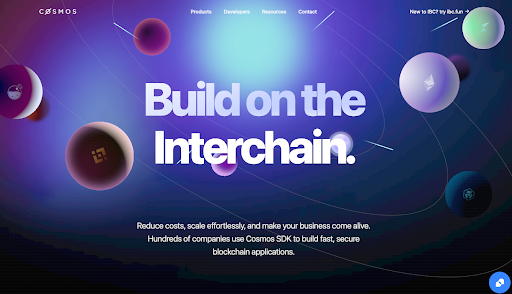
Interconnectedness is one of the core visions of the Web 3.0 concept, and Cosmos exemplifies this idea brilliantly. Cosmos facilitates seamless communication and collaboration between various blockchain networks, resulting in a decentralised, interconnected, and secure online environment. Cosmos addresses major blockchain technology issues to enhance the user experience, efficiency, and trustworthiness of the internet. In this modern age, Cosmos is more than just a website; it serves as a portal to an enhanced internet experience and, in the end, an improved life. Greeting to Cosmos, where the internet’s future is as expansive and boundless as space.

Polimec

Polimec

In the digital world, Polimec acts like a bustling marketplace where different blockchain networks meet and mingle. It is like a virtual bazaar where people come together to swap assets and ideas. Just imagine a lively marketplace of the future, where the boundaries between different networks vanish, and everyone can join in freely. Polimec makes it easy for users to trade and interact across various blockchain platforms. It is all about bringing people together and giving them more control over their digital assets. As we explore the exciting world of the decentralised web, Polimec is there to connect users and open up new opportunities.

Crypto Crime Club

Crypto Crime Club

At Crypto Crime Club, digital detectives unite to unravel mysteries within the cryptocurrency realm. This non -fungible token (NFT) platform provides exciting experiences with mesmerising graphics, allowing users to solve puzzles, outwit hackers, and collect rewards through missions and points.

IDEX

IDEX

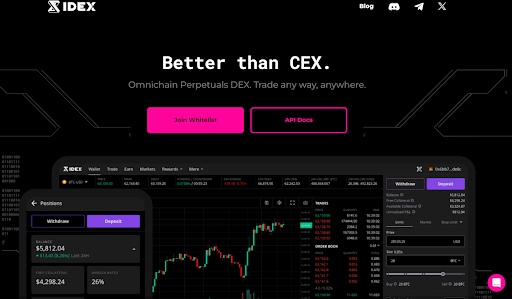
IDEX enables users to exchange digital assets straight from their wallets without depending on a central authority. It provides a safe and open marketplace where users can purchase, sell, and exchange cryptocurrencies while having access to a large range of tokens.

Audius

Audius

Through Audius, artists and their fans have the ability to connect directly on a decentralised platform for streaming music. Audius guarantees musicians retain full ownership of their work and receive fair compensation through the use of blockchain technology, unlike conventional streaming services. No middlemen are involved in the process of finding new music, creating playlists, or directly supporting their favourite artists. With a focus on community and innovation, Artist Empowerment, and User Experience, Audius hopes to revolutionise the music industry.

Kusama

Kusama

Kusama is a site where developers can test their projects with lower risks. Kusama moves quickly and encourages bold ideas, making it perfect for trying out new things. Users and developers can engage with the latest technology, help make decisions about the network, and create decentralised apps in a lively and ever-changing community. Kusama is all about exploring and improving the future of blockchain technology.

Storj

Storj

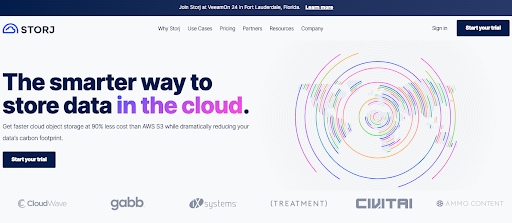
Storj will be among the top websites for cloud storage, if not the very best. Storj divides up your data, encrypts them, and distributes them around a decentralised network of computers rather than keeping them on a single server. This ensures that your data is secure, private, and always available. Furthermore, individuals have the opportunity to acquire tokens by leasing their surplus storage capacity to other individuals. In the realm of data storage, Storj provides a fantastic option compared to traditional cloud storage services, offering advantages in both price and security.

Cashaa

Cashaa

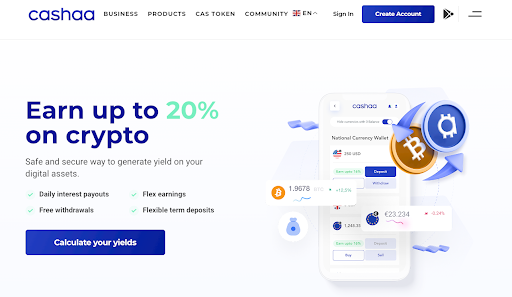
Cashaa is another innovative decentralised platform focused on improving our internet experience. Cashaa utilises blockchain technology to empower users with complete control over their personal data, guaranteeing privacy and security. Your data is kept safe on Cashaa and you have full control over who can view it.

Cyber Brokers

Cyber Brokers

Cyberbroker can be said to be an art community. It is a place where you can gather and exchange your unique art pieces that are safely housed on the blockchain. Artists have the opportunity to both produce and distribute their digital artwork to consumers worldwide, eliminating the need for intermediaries in the process. Buyers can browse and purchase authentic digital art, with each transaction being transparent and verifiable.

Helium

Helium

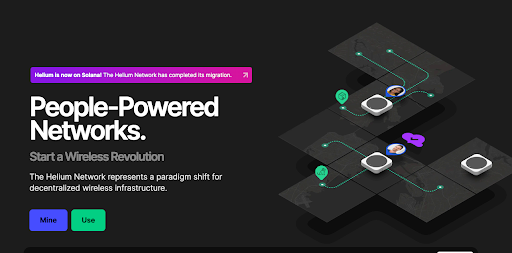
The concept behind Helium represents an innovative approach that transforms how wireless networks are built and managed, ultimately making them more accessible and affordable. Users contribute to the network’s expansion while benefiting from its growth. Helium’s decentralised model ensures better security, coverage, and scalability compared to traditional networks. It is a community-driven solution that connects the world in a smarter, more efficient way.

Cyber Security Internships

When you think of a cybersecurity internship, what comes to mind? It is definitely thoughts about growth oriented activities like gaining practical exposure to advanced cybersecurity tools and technologies and mastering their use for monitoring, detection, and response to security incidents. With these internships, interns get to confront practical cybersecurity obstacles that demand innovation, careful strategy, and collaboration to safeguard digital resources. This technological exposure and hands-on experience will equip students with the necessary skills to kickstart their career in cybersecurity.

Join us as we navigate the cyber security internships nuances, including the advantages they provide, tips for locating and applying for them, what to anticipate during an internship, and additional information. This resource is extremely important for all aspirants in the field of cybersecurity.

What are Cyber Security Internships?

Cybersecurity internships are like opportunities for aspiring individuals in the field to acquire what it takes to function in the cybersecurity field. Interns typically work with established bodies and experienced experts in various organisations, including companies, governmental institutions, research institutions, and many more. These interns are also given tasks related to cyberthreats. These tasks serve as preparation for the interns for what is to come after their training. To sum up, internships in cyber security are essential for those looking to begin their career, providing a chance to improve skills, acquire hands-on experience, and safeguard online systems.

Benefits of Cyber Security Internships

  1. Exposure of interns to actual situations in the field.
  2. Familiarisation of interns with tools, and methodologies utilised in cyber security operations.
  3. Provision of opportunities to enhance hard and soft skills.
  4. Networking opportunities
  5. Provides in-depth knowledge of the cybersecurity field to interns
  6. Internships provide interns with an organised setting to improve their professional abilities, such as time management, project management, attention to detail, and adaptability.
  7. A means to upgrade your resume
  8. Provides job placement for exceptional students.

How to Find and Apply for Cyber Security Internships

Getting an internship in the cybersecurity field is not so difficult.

  1. First, you have to look for internship opportunities. You can use social media, job search platforms ike LinkedIn, and other sources.
  2. Constantly update your CV and resume. Ensure you highlight any technical skills, certificates, or projects that show you know about cyber security stuff.
  3. Be ready to show what you know by taking tests or doing tasks during the interview. Practice answering questions about cyber security and solving problems that might come up during interviews.
  4. You can also talk to well connected people you are familiar with. It can be your mentors, teachers, families, and friends. Join online communities where people talk about cyber security to learn more and find out about internships.
  5. Apply Smartly- before any form of application, ensure you read and understand what the role is about, what your daily job role is and what the requirements are. This is to ensure you are applying for what suits you and that you do not skip any steps in the process.

What to Expect During a Cyber Security Internship

Your cybersecurity internship is a thrilling adventure in the digital world. It is safe to say you will be a detective, exploring cyberspace to stop bad guys. 

During the programme;

  1. You will learn the basics of cybersecurity, and get equipped with skills and tools to stay safe online.
  2. You will shadow experienced cyber experts, learning from their applications and experiences.
  3. Your tasks will include cracking codes, hacking contests, or finding weaknesses in digital defences.
  4. You will also team up with other cyber warriors to face challenges together, which makes the experience more interesting.
  5. You will also learn to plan rigid defences against cyber attacks with your team, staying ahead of the bad guys.

What Interns are required to do

Highlighted below are some of what cybersecurity interns typically do:

  1. They help the organisation look for problems in computer systems and networks that could let bad guys get in.
  2. They keep an eye on computer systems to make sure everything is safe and nothing suspicious is happening.
  3. They help out by investigating, analysing and mitigating if there is a security problem, like a virus or someone trying to break in.
  4. They work on making computer systems and networks more secure by setting them up in the right way.
  5. They learn how to keep assets safe online and help teach their peers how to do the same.
  6. They work on special projects to make computer systems even safer, like adding new security tools or improving how we respond to problems.
  7. They keep learning and constantly carrying out security related tasks to avoid break ins and learn how to stop them.
  8. They collaborate with other interns to make sure everything stays secure.
  9. They write reports and share information from security assessments, incidents, and projects, and prepare reports to communicate findings, recommendations, and actions taken to relevant stakeholders.

Key Takeaways

  1. Cybersecurity interns gain practical experience by applying their knowledge to real-life situations, acquiring crucial skills along the way.
  2. Cybersecurity interns collaborate with experts, allowing them to learn from mentors and help with team projects.
  3. Cybersecurity interns conduct evaluations, oversee systems, manage incidents, and assist in policy creation.
  4. Internships provide opportunities for professional growth of interns as it enhances their skill set considerably.
  5. Internships provide networking opportunities for interns with the “big dogs” of the industry

Cyber Security Degree

Cybersecurity is a big deal these days. Why? It is very simple, as technology gets better, so do the tricks bad guys use online. And the fancier our tech gets, the more risky things can get online. With all these new risks popping up, we really need more people who know how to handle cyber threats. However, there is a shortage of cyber security experts in the globe as highlighted in the Economic Times. Consequently, obtaining a degree in cybersecurity not only addresses the scarcity of experts but also offers individuals the opportunity to function in a budding field filled with promising career prospects.

Moreover, knowing the worth of a cyber security degree is crucial in today’s linked world, regardless of whether you’re thinking about pursuing a job in cyber security or just want to improve your current abilities.

This article will give an overview of cybersecurity degrees, highlighting their importance, key elements, job prospects, and advice for thriving. 

What is cyber security?

Cybersecurity simply has to do with protecting digital assets from vulnerabilities, particularly from cybercriminals. Cyber security adopts various complex methodologies to achieve its role as a vanguard in protecting our assets and systems including encryption techniques and coding programs. 

A cybersecurity degree provides people with the necessary understanding, and specialised knowledge of these methodologies to properly defend against cyber dangers and protect online assets. You can study cyber security at different levels of education, or through shorter programs like trainings or certifications. These programs will teach you all you need to know about cyber security, both in theory and in practice, making you capable of dealing with the cybersecurity problems we face online today.

Why pursue a cyber security degree?

Crime rates have increased globally, with some individuals even making crime their profession, including hackers, thieves, and money launderers. As a result, cyber security has assumed significant importance in safeguarding digital assets. Pursuing a degree in this field equips individuals with the skills to thwart hackers and ensure information security.

Beyond safeguarding digital and personal assets, this field offers a wide range of employment options with attractive pay. Furthermore, cyber security experts play a crucial role in keeping everyone safe online, whether it’s major corporations, government agencies, or just everyday people like you and I. Therefore, by getting a cyber security degree, you are not just helping yourself—you are helping make the internet safer for everyone.

Curriculum

A cyber security degree covers various topics and skills that aid students in learning how to safeguard against cyber attacks. Here are some key areas they typically learn about:

  1. Fundamentals of cyber security, including types of internet risks and ways to protect systems.
  2. Network Security- Here, students are taught about methods and tools to protect the people and internet from cyber attacks.
  3. Encryption – Encryption is all about data protection from unauthorised access. Here, students gain an understanding of encryption’s mechanisms and its significance.
  4. Secure Software– Students are taught how to create software programs that can withstand cyber attacks. They are educated on coding techniques and technology for enhancing software security.
  5. Response to Incidents – It involves responding to cybersecurity breaches when they occur. Students are taught how to examine security incidents and respond to reduce harm.
  6. Adherence – Students study laws, regulations, and industry standards concerning cyber security. This assists them in comprehending how to align systems with legal requirements.
  7. Ethical Hacking – Finding and fixing flaws in computer systems before malevolent hackers may exploit them needs students to understand the thinking of hackers.
  8. Risk Management – The assessment and management of cyber security risks are taught to students. This entails identifying potential threats and putting preventative measures in place.
  9. Security Operations – Here, students learn about establishing security protocols and educating them on how to identify and handle threats, among other routine system security maintenance activities.
  10. Current Technologies – The curriculum will also cover the most recent advancements in cybersecurity, including how to use and integrate Artificial Intelligence (AI) in cybersecurity.

Choosing the right cyber security degree

Opting for the degree programme in cyber security that best aligns with your career objective is very essential if you want to succeed in the industry. Here are some tips to consider:

  1. Cyber security is a very broad field. When choosing a programme, choose what aligns best with your career and long-term goals.
  2. Afterwards, verify if a trusted accrediting body has accredited the programme. This guarantees a recognised and authentic degree.
  3. Ensure you study at a reputable institution with industry professionals, to ensure quality of education.
  4. Review your programme curriculum to ensure the subjects and skills you wish to acquire are covered.
  5. Seek for possibilities for practical experience, real-world projects, and industry certifications that are provided as part of the programme.
  6. Take into variables such as programme duration, and type of admission, be it online, or on-campus to ensure you get the flexibility you need to maintain your lifestyle and schedule.
  7. Look into the post-study opportunities provided in the programme, as they can aid you with job placement and internship opportunities in the future.
  8. Examine the overall tuition cost and other expenses as well as scholarship opportunities to apply for aid if you need one. 

Universities offering a degree in cyber security

Many institutions worldwide now offer cyber security degree programmes. Among them are:

These universities collectively offer various cyber security programmes. Prospective students could explore these universities to find the most suitable course of study for their academic and professional goals.

Tips to Excel in a Cyber Security Program

  1. Ensure you stay ahead of your class schedule and tasks to avoid missing any deadlines.
  2. Be diligent with your course work.
  3. To better comprehend the complex topics, participate in conversations and ask questions.
  4. Use study aids, online lectures, and textbooks to your advantage when learning.
  5. Complete projects and lab activities to obtain real-world experience.
  6. Visit blogs and watch webinars to get current on cyber security.
  7. Make connections with professionals in the field and other students to learn from their experiences.
  8. Seek research or internship opportunities to put your academic knowledge to use.
  9. Develop your teamwork abilities and try simplifying complicated concepts.
  10. Remain committed to your objectives and persevere through difficult times. You can excel in your degree programme in cyber security if you put in the necessary work and perseverance.

Cyber security engineer salary

Today, there is a noticeable increase in cyberattacks in many regions of the world, with a focus on their increasing sophistication. Due to this peculiarity, there is a great need for cybersecurity experts. As a result, it is frequently disputed whether employers are paying top talent adequate compensation in order to draw and keep them in this cutthroat industry. This deems it necessary for cyber security engineers to know their worth, have a comprehensive overview of cyber security engineer salaries, factors that influence them, and career growth opportunities.

Overview of Cyber Security Engineer Salary

As depicted in the chart below, the annual compensation for a cyber security engineer in the United States falls between $40,500 and $180,000. But this can change based on the industry of choice, the experience of the cybersecurity engineer, and the size of the organisation. Cyber security engineer yearly salaries vary widely, according to data gathered by ZipRecruiter. The majority of these incomes lie between $100,000 and $142,000, however, others might reach as high as $180,000 and as low as $40,500.

cyber security salary graph

When discussing the pay for cyber security engineers, the location they work in significantly impacts their salary. Consider Apple in the United States, for example. They pay their cyber security engineers $132,962 annually. Yet, a similar position at Amazon location may receive a much lower salary of $91,000 per year. This difference demonstrates the significant influence of regional dynamics on pay.

These instances highlight the significant differences in salaries in various locations. Consequently, job seekers need to take into account various criteria, including geographic location when evaluating job possibilities and negotiating wage packages.

Factors Influencing Cyber Security Engineer Salary

When evaluating job prospects, individuals should consider opportunities for advancing their careers as a crucial factor. The pay of a cyber security engineer can increase over time due to various factors influencing their income potential. The initial step is acquiring knowledge. Obtaining advanced education, like a bachelor’s or master’s degree in a relevant field along with required certifications, could lead to increased initial earnings.

Additionally, as in many other occupations, experience is a major factor in determining remuneration. Experienced cyber security engineers are likely to make more money than their entry level personnels

Another aspect to consider is the choice of industry. Professionals in fields like banking, healthcare, and government may earn higher salaries than those in retail or non-profit sectors due to the sensitive nature of the data and the need for increased security measures.

Career Growth and Advancement Opportunities in Cyber Security Engineering

So, when you are considering a job, you want to make sure there is plenty of room for your salary to increase. Then, there is professional growth. When you’re weighing job options, it is not just about the immediate paycheck – although that is definitely important. You also want to consider how much room there is for both your salary and your career prospects

These are two important factors to consider if you are aiming for both long-term financial stability and job satisfaction. A job with a high potential for pay rises and career promotion might provide a clear route for professional development and career advancement in addition to the immediate financial benefits. This could result in a higher level of motivation, job contentment, and overall workplace wellness. Hence, it is essential for individuals looking for work to thoroughly research to identify the career or job that aligns with their future goals and aspirations.

Tips for Maximising Salary as a Cyber Security Engineer

  1. Get up to date on the newest advancements, and finds in your industry. Employers typically place a high value on individuals who are proficient in the needed technology and procedures. Hence, consider going to workshops to learn how to use relevant technologies or earning qualifications in digital forensics, penetration testing, or cloud security.
  2. Specialisations vary in the broad category of cybersecurity. Determine your areas of interest and competence, then focus on developing your specialised talents in those domains. Because there are fewer specialists in cybersecurity roles, specialising in them can result in higher earnings.
  3. Seek out chances to obtain practical experience through volunteer work, internships, or entry-level jobs. Employers value experience more and may offer you a greater salary depending on your negotiation.
  4. In any field, cybersecurity included, networking is essential. Try as much as possible to network with professionals in the sector, attend conferences, and attend industry events. Relationships with peers is also of importance, as they can also lead you to new business prospects and even higher-paying job offers.
  5. Investigate salary patterns for your desired job position to determine the appropriate compensation according to your skills, background, and location. Platforms such as Glassdoor and LinkedIn Salary offer useful information on pay ranges for those in the cybersecurity field.
  6. Take along your credentials to back up your value proposition when negotiating a wage for a new position or a promotion. Emphasise your qualifications, experience, abilities, and any measurable accomplishments that show how you have contributed to cybersecurity. During negotiations, project confidence while maintaining civility, and be prepared to walk away if the offer falls short of your expectations.
  7. Lastly, while your renumeration plays a significant role, do not discount other advantages that may enhance your whole compensation package. Bonuses, allowances, stock options, healthcare perks, retirement plans, flexible work schedules, and chances for professional growth are a few examples of these.

Cyber Security Bootcamp

What is a cyber security bootcamp?

Boot camps are brief, focused educational programmes that focus on teaching the necessary skills required for a particular career, such as design or digital marketing. These courses are created to be fast-moving, like an intensive training, typically lasting from a few weeks to a few months, with the explicit goal of preparing individuals for the job market quickly.

As regards cybersecurity, these bootcamps aid people in gaining the abilities and information required for a career in cybersecurity. Due to the complexity of these courses, bootcamps often provide practical learning opportunities focused on activities and real-life simulations. Read on as we examine the benefits of cybersecurity bootcamps, some top cybersecurity bootcamps, and tips on how to discover a programme that aligns with your career aspirations and preferred learning style.

Benefits of joining a cybersecurity bootcamp.

The cybersecurity bootcamp is a haven for cybersecurity aspirants as it enables them to kickstart their cyber journey in a rather timely manner. Various benefits follow this kind of targeted programme, particularly for learners;

  1. For one, cybersecurity bootcamps provide a competitive kind of environment where individuals meet likeminded people. This kind of atmosphere fuels human effort and concentration, as no one wants to be left behind.
  2. These bootcamps also provide learners with in-depth knowledge within a short period of time, allowing participants to quickly acquire essential cybersecurity skills.
  3. Cybersecurity bootcamps typically feature instructors from the industry, allowing participants to benefit from their knowledge and practical experience. This assists in comprehending the present trends, obstacles, and optimal strategies in cybersecurity.
  4. This training often foster camaraderie between learners, instructors, and industry professionals, which creates valuable networking opportunities that can lead to job referrals or collaborations.
  5. Cyber security bootcamps often offer exceptional learners job opportunities post bootcamp programme.

What to expect in a cyber security bootcamp

  1. An inclusive environment that promotes learning for all individuals.
  2. Training that involves practical experience.
  3. Professional advice
  4. Preparation for certification.
  5. Collaborative encironment
  6. Support for finding employment opportunities
  7. Uninterrupted development and improvement.

How to choose a cyber security bootcamp

Joining a cybersecurity bootcamp is easy if you follow these straightforward steps;

  1. First, you need to carry out an in-depth research of the cybersecurity bootcamps available in your vicinity. You can take note of their feedbacks, reviews, cost, duration and authenticity. It is advisable to enrol in reputable bootcamps regardless
  2. Various cybersecurity bootcamps offer various curriculum. You need to check for ones that align with your career aspirations and goals.
  3. Check requirements and review prerequisites for each bootcamps and see if you are qualified to join.
  4. Apply for your desired bootcamp programme ad complete your application process. This sometimes includefilling out an online application form, carrying out assessments and interviews and even paying a certain sum sometimes.
  5. After enrolling, the bootcamp provides your study materials online. Ensure you get them so as to prepare for your first lecture.
  6. Attend and commit to the bootcamp. 

Tips for Success

  1. Before starting the bootcamp, prepare  by familiarising yourself with basic concepts and terminology in cybersecurity.
  2. Participate actively in bootcamp activities, ask questions, and engage with instructors and peers. 
  3. Ensure to apply what you learn since cybersecurity involves practical experience. Utilize lab activities, tests, and assignments to put your knowledge into practice and improve your abilities in practical situations.
  4. Obtain relevant certifications.
  5. Keep yourself informed about the most recent developments.
  6. Get involved in local events and activities within your cyber community.

Where to take cybersecurity bootcamps?

Entry level cyber security jobs

Following a cybersecurity degree, a certification course, or even a cybersecurity workshop, what is next? The gap between completing cybersecurity training and securing a job is a chasm that some candidates struggle to overcome. Obtaining the required skills and capabilities for a cybersecurity job is only part of the journey; landing an actual job is the other part. This is where entry-level cybersecurity roles come into play. Knowing the types of roles to apply for at the beginning of your cybersecurity journey is crucial as it aids in your professional development, guiding you from basic cybersecurity positions to more advanced roles. This web content will delve into the fundamental qualifications of entry-level cybersecurity positions, job roles, salary expectations, and tips to secure one.

Basic Qualifications

Basic qualifications for an entry-level cybersecurity position include a bachelor’s degree in computer science, cyber security, or a similar field, which is frequently necessary. Having certifications like CompTIA Security+, CISSP Associate, or CEH at the beginner level can be beneficial. Candidates must also demonstrate skill in using operating systems like Windows, Linux, and Unix. In addition to proficiency in various programming languages and software, they must also have a decent understanding of various cybersecurity concepts such as networking principles, firewalls, intrusion detection/prevention systems, virtualization platforms, and many more. 

For one to excel in any role, there should be a balance between the hard or practical skills and soft skills, hence, in an entry-level cyber security role, soft skills are just as important. These skills include problem solving, attention to details and good communication skills. It is crucial to also have strong written and verbal communication skills in order to communicate technical information to non-technical stakeholders and work with team members effectively.

Popular entry-level  cybersecurity roles

Information Security Analyst

Information security analysts, explore, record, and inform the organisation about security breaches. They study current trends in IT security, assisting computer users with security software and protocols. This is one of the most frequently seen positions in a cybersecurity team and a great starting point for entering the field of information security.

Data Forensic Examiner

This role gives you the feeling of a prosecutor in action.  If you like discovering hints to solve a mystery, this position could be a good fit for you. Digital forensic investigators collect data from computers and other digital devices in order to determine how a system was accessed by an unauthorized individual or to gather evidence for legal matters. They gather, safeguard, and examining electronic proof. They also retrieve information from deleted and recording the process of obtaining data which aids authorities in probing criminal cases.

IT Auditor

Being an IT auditor requires you to evaluate your company’s technology for possible security, effectiveness, and compliance issues. A few tasks you ma be assigned to include:

  • Conducting audits through careful planning and execution.
  • Recording and displaying audit results.
  • Offering advice on suggested and required security protocols.
  • Creating strategies to address potential security vulnerabilities.
  • Recognising chances to enhance efficiency.

Systems Administrator

Any modern organisation depends on the seamless and effective operation of its IT infrastructure, which is a critical responsibility of system administrators. System administrators oversee and maintain computer systems and networks within an organisation. They are in charge of setting up hardware and software, guaranteeing system operations, and offering assistance to users. They conduct routine backups, upgrade systems, and oversee network security. Candidates should be proficient in writing scripts for automated tasks, possess a thorough understanding of several operating systems, and have experience configuring and managing both networked and individual computers.

Source Code Auditor

In a world where technology is pervasive, the significance of source code editors is essential for preventing security risks and enhancing the general quality and dependability of software products. A source code auditor carefully reviews software source code to pinpoint security vulnerabilities, coding mistakes, and compliance problems. They make sure the code follows the best practices and industry standards, protecting against possible breaches. 

Junior Penetration Tester

A junior penetration tester sets out to uncover why and how a cyber attack occurred in order to bridge the weakness of their systems. After various simulations of the cyber attacks experienced, they use different tools and techniques to enhance the systems. Having this role is vital in strengthening a company’s defence against cyber threats by actively identifying and resolving possible security vulnerabilities.

Junior Cryptanalyst

A junior cryptanalyst operates with direction in order to grasp and decipher intricate codes, guaranteeing safe data transfer. They are responsible for understanding cryptographic algorithms, finding weaknesses, and creating decryption techniques. They have an important role in safeguarding sensitive data from unauthorised access in different digital settings. Ideally, candidates should be experienced in gathering, managing, and analysing data, with a solid grasp of different encryption methods and possible weaknesses.

Salary Expectations

Job RolesAverage annual salary expectations (USD)Sector growth
Information Security Analyst$8993132%
Data Forensic Examiner$83,50432%
IT Auditor$778825.54%
Systems Administrator$950002%
Source Code Editor$649278.1%
Junior Penetration Tester$11989517.1%
Junior Cryptanalyst$80171N/A

It is important to note that these salary expectations are not final, the actual salary will eventually depend on skill level, experience and other professional capabilities

How to get an entry-level cyber security role

  • Pursue internship programmes
  • Stay up to date on industry trends and attend relevant events for networking opportunities
  • Embark on personal projects to refine your skills.
  • Nerve stop learning. Constantly upskill and take on certification courses. This will add value to your portfolio and personal development.
  • Tailor your resume and cover letter to each role you are applying for.
  • Search for jobs on popular online platforms like LinkedIn and Indeed, after filling out the required information and meeting all requirements. 
Site logo

* Copyright © 2024 Insider Inc. All rights reserved.


Registration on or use of this site constitutes acceptance of our


Terms of services and Privacy Policy.