Home Blog Page 26

12 Risks of Artificial Intelligence (AI) 

While Artificial intelligence (AI) has come to gain the recognition of the world, sparking imaginations within minds, there are some inherent risks associated with it that must be adequately put into consideration. 

This article essentially discusses 12 of these risks and mitigation strategies.

Job Displacement

Due to advancements in technology, AI can automatically operate tasks that were previously performed by humans, leading to job loss in certain sectors. For example, in manufacturing and customer service, AI can automatically operate routine tasks like assembling products, which can possibly lead to job displacement in these departments. However, it is pertinent to know that AI can also create new jobs and enhance effectiveness. To reduce the threat of job loss, methods like re-skilling, up-skilling, and ethical AI development can be enforced. Through careful control of the growth of an economy-propelled AI, we can reduce the negative effects and encourage a more logical future for all.

Bias and Discrimination

AI models can sometimes show biases based on the data they’re trained on. This can lead to unfair outcomes in areas like lending, criminal justice, and hiring. Even though AI systems are advanced, they can still pick up and repeat the biases present in their training data or algorithms. This can cause unjust and harmful consequences in different AI domains, such as healthcare, criminal justice, employment, and finance. It is important to take steps to reduce bias and discrimination in AI systems in order to mitigate this risk. This involves getting data from reliable sources, using clear and understandable algorithms, building ethical guidelines, ensuring human supervision, and performing regular bias audits. By taking these steps, we can ensure that AI models are used to help society rather than cause harm.

Privacy Concerns

As AI systems compile, analyze, and synthesize vast amounts of data, concerns arise regarding how this information is used, stored, and protected. For example, AI-driven surveillance systems can monitor and track individual activities, raising concerns about privacy infringements and the potential erosion of personal freedoms. Additionally, the interconnected nature of AI models allows them to be susceptible to cyberattacks, which can uncover sensitive personal information. To mitigate these risks, powerful data protection laws and regulations are essential. These regulations should highlight a precise procedure for how data should be handled and impose penalties for infringement. 

Lack of Transparency

Complex AI algorithms make it difficult to understand how AI specialists arrive at decisions which can lead to possible prejudices and restricted responsibility. This absence of transparency can sabotage public trust and restrict AI integration. To tackle these risks, developing methods for clarifying the decision-making processes of AI and building ethical approaches are important. Trust can be built in AI by promoting transparency which will ensure its beneficial use.

Existential Risk

Professionals have argued that the growth of super-intelligent AI could cause an existential danger to humanity if AI specialists were to become uncontrollable or hostile. Advanced AI could surpass human intelligence, leading to the birth of hostile systems that might hurt humans. Additionally, independent weapons generated by AI could cause a substantial risk if they malfunction or are accessed by unauthorized users. To combat these risks, professionals are of the opinion that developing safe AI technologies that will align AI with human values, and develop global administration frameworks is the way to go. While AI offers enormous possibilities, accountable and ethical growth is essential to guarantee a positive future for humanity.

Concentration of Power 

AI is increasingly concentrated in the hands of a few, raising significant concerns. Its ability to influence public opinion and manipulate elections could lead to a dangerous concentration of power among those who control these technologies. Additionally, the establishment and deployment of AI usually need substantial investments, which can only be provided the rich, typically large corporations and governments. To curb these risks, the promotion of transparency, accountability, and diversity in AI growth is important. With these in place, we can guarantee that AI is used to facilitate equality, democracy, and independence of an individual.

Unclear Legal Regulations

Existing legal frameworks are no longer keeping up with the rapidly-growing AI technology which have led to unclear legal situations and potential harm. International alliance is important to establish global standards and enhance compliance. By tackling these legal risks, we will be creating a safe and ethical environment for AI growth and deployment.

Loss of Human connection

The eradication of face-to-face human interaction and connections in the workplace is one of the negative effects of AI integration. AI-generated systems can separate humans and reduce their exposure to different viewpoints which can lead to a decline in their interaction with others which is bad for their mental health. To tackle these risks, enhancing digital literacy, facilitating empathy, and supporting initiatives for social interactions are essential. All of these steps can help AI foster human relationships and strengthen our communities.

Cybersecurity Threats

AI can make cyberattacks more advanced, making it harder to defend against them. For example, AI can create smarter phishing scams and automated attacks that can easily get past regular security systems. If the attacker can do the same, the system can be breached easily. To tackle these risks, AI-generated safety solutions and online safety education are important. By actively dealing with these challenges before they surface, we can guarantee AI is used safely and accurately to protect our virtual assets.

Social Manipulation

AI can be used to exploit public belief and manipulate elections, thereby undermining the democratic processes. AI-generated models can circulate wrong information at a fast pace, causing distrust and aggravating social divisions. To deal with these issues, ethical procedures for AI expansion and advancement of media literacy are important. These will ensure that AI is used for beneficial purposes and safeguard our democratic values.

Healthcare Risks

AI can presents errors such as misdiagnosis, privacy breaches, and the potential for partial algorithms which worsens health issues. Healthcare data is very sensitive and needs strong protection. Biased algorithms can also cause incorrect diagnoses and prejudice. Over-independence on AI can reduce human thinking and compassion. Ethical approaches, data quality and safety measures, and transparency in AI algorithms are important to tackle these risks. By dealing with these challenges, we can use AI to improve healthcare results while protecting patient safety.

Environmental Impact

The growth and deployment of AI can have adverse effects on the environment, such as improved energy consumption and electronic waste. The energy consumption associated with the activity and operation of AI models, as well as the production of AI hardware, can immensely add to greenhouse gas emissions and environmental degradation. It is important to develop power-efficient AI algorithms and hardware, promote a sustainable data center for practices, and consider the environmental consequences of AI applications in order to tackle these risks. By actively dealing with these risks before they surface, we can make sure that AI benefits our planet while reducing its negative environmental impact.
AIOps VS MLOps

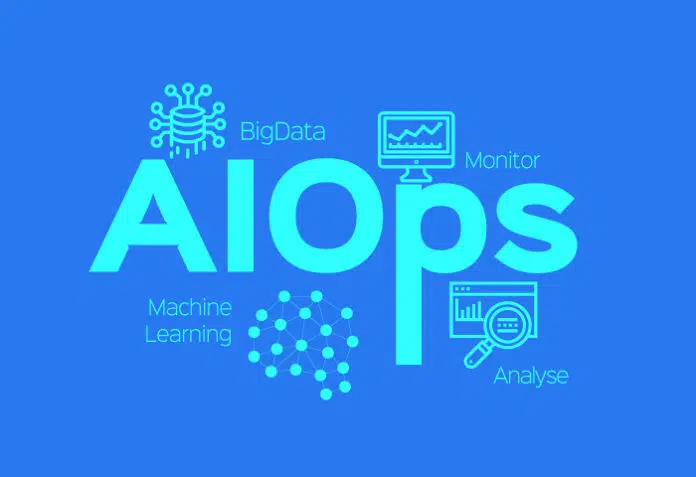
The use of Artificial Intelligence (AI) and Machine Learning (ML) is soaring as businesses go through digital transformation and develop innovative solutions to deliver final products faster, in a more efficient, and dependable manner. As a consequence, models and data processing pipelines grow in complexity, becoming harder to control. Under the influence of AIOps (Artificial Intelligence for IT Operations) and MLOps (Machine Learning Operations), companies are able to keep up with growing demands and avoid delays. While they seem similar, these two concepts have distinct focus..

This article will shed light on the concepts behind each of these tools, benefits, and the differences between them.

AIOps (Artificial Intelligence for IT Operations)

AIOps as an IT operations management solution makes use of data analytics, and machine learning (ML) to strategically analyze a great number of IT infrastructure data, identify and diagnose performance issues, automatically resolve the issues where possible, and provide actionable foresight to IT personnel to improve response and prevent unavailability. It also ensures that the application performance increases even in a complex and dynamic IT environment… Continue reading.

What to know about AIOps

  • AIOps helps to boost the effectiveness of IT operations.
  • AIOps platforms collates information from different places in an IT setup, like monitoring tools, logs, metrics and events. This information is  usually gathered to offer current understandings.
  • AIOps utilizes ML and AI algorithms to analyze gathered data. These advanced algorithms identify patterns, anomalies, correlations, and trends that human operators may miss, facilitating proactive management and quicker resolutions of issues.
  • AIOps results in cost savings for organizations by reducing the need for extensive manual intervention.
  • AIOps solutions are capable of expanding seamlessly to accommodate the organizations requirements, managing substantial data volumes and adjusting shifts in the IT landscape.
  • AIOps enhances cybersecurity by detecting threats by analyzing historical data, ensuring enhanced security. It also assists the security teams to focus on real threats by minimizing false alarms and preventing system fatigue.
  • AIOps can rapidly identify the underlying cause of problems and propose or execute solutions automatically.

MLOps (Machine Learning Operations)

MLOps is a function of ML engineering that is centralized on reorganizing the procedure of taking machine learning models to production. It efficiently handles machine learning models in practical scenarios, ensuring they work well in real-world situations.

What to know about MLOps

  • It encompasses processes like model training, monitoring and maintenance to support the lifecycle of machine learning projects.
  • MLOps is focused on managing machine learning models in practical settings to ensure effectiveness.
  • It involves activities like model training, monitoring, deployment and upkeep across the models life cycle.
  • MLOps enables thorough testing and continuous monitoring of machine learning models, reducing the chances of performance issues or unforeseen outcomes during production.
  • MLOps speeds up innovation cycles by facilitating quick experimentation and deployment of model machine learning solutions.
  • It helps in reducing operational cost that’s associated with maintaining machine learning systems.
  • MLOps ensures an efficient workflow spanning from development to deployment, fostering collaboration among data scientists, engineers, and operations teams.

Differences Between AIOps And MLOps.

AIOpsMLOps
FocusAIOps centers on enhancing conventional IT operations like monitoring, event handling and incident resolution through AI and automationMLOps oversees every stage of machine learning models’ lifecycle, covering development, training, deployment, and continuous monitoring within production environments.
Tools and TechnologiesAIOps employs tools for monitoring, analytics, automation, and incident management MLOps necessitates tools and platforms for version control, model monitoring and integrating feedback loops often leveraging cloud services and adopting DevOps  methodologies.
CollaborationAIOps improves teamwork among IT operations teams such as network administrators, system engineers and IT support staff, aiming to streamline workflows and boosts operational efficiencyMLOps fosters collaborations between data scientists, machine learning models in production environments.
ObjectiveStreamline workflows, boost operational efficiencyEnsure reliable and scalable deployment of ML models
OutcomesImproved IT performance and proactive issue resolution. Efficient model deployment, performance tracking, and updates

Conclusion

The digital transformation of businesses heavily relies on the implementation of AI and ML through AIOps and MLOps to enhance effectiveness and dependability. AIOps aims to improve IT operations by utilizing data analytics and automation to aid organizations in handling intricate IT environments and enhancing performance. Conversely, MLOps simplifies the process of managing machine learning models throughout their lifecycle, ensuring their successful implementation and upkeep in practical situations. While both approaches are focused on enhancing operational effectiveness, they target separate areas within IT and machine learning, underscoring their unique but synergistic functions within contemporary businesses.

What is AIOps

Information technology (IT) as a body is developing into a stage of change as years go by and it is influenced by the increased inclusion of Artificial Intelligence (AI) in information technology (IT) operations. This content is curated to explain the importance of AI in IT operations, from its benefits and core components to its use cases and future trends, making us capable of using AI’s power for maximizing IT systems.

Understanding AIOps

AIOps, short form for Artificial Intelligence (AI) for IT operations, is a platform that uses AI techniques and machine learning( ML) models to automatically operate and manage IT operations, management and service workflow. AIOps as an IT operations management solution makes use of data analytics, and machine learning (ML) to strategically analyze a great number of IT infrastructure data, identify and diagnose performance issues, automatically resolve the issues where possible, and provide actionable foresight to IT personnel to improve response and prevent unavailability. It also ensures that the application performance increases even in a complex and dynamic IT environment.  AIOps is a multilayered system that consists of different interrelated components that work together to achieve intelligent IT operations. Some of the components include:

  • Big Data and Analytics
  • Machine Learning in AIOps
  • Automation in AIOps
  • IT Operations Management (ITOM) Integration

Benefits of AIOps

Proactive Issue Resolution: With a built-in ability to anticipate IT issues, AIOps allows IT staff to deal with potential problems by constantly learning to recognize and prioritize critical alerts before they lead to delay or outage. AIOps allows IT teams to carry out scheduled maintenance instead of emergency repairs as they can detect problems before they affect users and critical operations. In essence, AIOps prevent technological problems before they become serious issues. By moving from a reactive to a proactive issue resolution, organizations can efficiently aid IT service and provide satisfaction to users by identifying possible problems and maximizing resource allocation.

Increased Efficiency and Productivity: AIOps increase efficiency and productivity by automatically routing IT tasks. This allows IT staff to focus on important planning while reducing risks associated with manual processes. Furthermore, AIOps is able to analyze vast amounts of data to discover potential risks before they get out of hand, enabling proactive problem-solving and data-driven decision-making. AIOps increase incident resolution and enhance resource usage and general service quality by maximizing IT operations. All these help the IT team to be more efficient and productive, which in turn increases the overall output of the organization.

Better IT Service Management: By identifying and resolving issues through monitoring and analysis to prevent service disruptions, AIOps encourages IT teams to focus on strategic planning while ensuring high-service delivery. Moreover, AIOps revolutionizes data into action-driven knowledge, enabling data-driven decision-making. By discovering hidden patterns and correlations, AIOps maximizes resource allocation, improves service levels, and aids overall business efficiency.

Cost Reduction: Cost of operation are naturally reduced since AIOps is able to identify operational issues before they become major issues. AIOps also reduces labor costs by enabling IT personnel to focus on more strategic and complex work, which in turn increases employee experience. In addition, AIOps manages resources through adequate planning, analysis which prevents over-provision and under-provision. AIOps also allow for cheap repairing, which contributes to the entire efficiency and automatically lowers the cost of operation.

AIOps Use Cases

  • AIOps focuses on the most important alerts by minimizing the number of unnecessary alerts and eliminating irrelevant ones based on their potential impact. 
  • AIOps collates data from various sources in order to provide an extensive view of information technology (IT) operations. 
  • AIOps highlights the underlying causes of IT incidents quickly and accurately and also identifies performance issues before they affect users. 
  • AIOps groups similar incidents in order to recognize trends and patterns, and also resolve routing IT risks, allowing IT staff to operate more complex duties. 
  • It improves system dependency and streamlines the routing process in order to increase efficiency.

Future of AIOps

AIOps is a constantly evolving construct. The future anticipates a smarter and more independent system. Future developments will integrate facilities in a more holistic approach to IT operations, allowing for better visibility and faster response. AIOps will grow beyond IT operations to include other businesses which require a huge focus on data analysis and AI development. AIOps will also provide operational excellence by maximizing system performance, reducing cost and ensuring better AI decision-making, in order to provide more competitive chances for organizations.

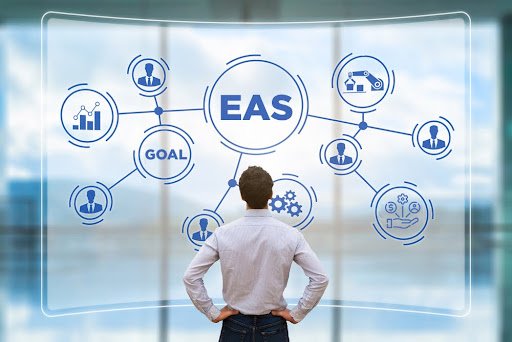
Enterprise Architecture (EA) Security

With technology constantly evolving and cyberattacks on the rise, organizations are increasingly worried. As attacks become more frequent and corporate systems more complex, old-school cybersecurity is simply not cutting it anymore. Companies easily go under attack, which not only disrupts the business but also puts the employees and company at risk. Therefore, the need for cybersecurity is growing rapidly. Companies are in demand for complex layers of security systems to protect their servers from unauthorized access.

Enterprise Architecture (EA) Security Explained 

Enterprise architecture (EA) security refers to the comprehensive overall plan and design of an organization’s security position using the available technologies. It is a framework that outlines the policies and standards of an organization’s technology and also protects the organization from cyber threats. Enterprise Security is a concept that aims to design an infrastructure of information systems to ensure that they provide enough security to organizations and businesses. It is designed to protect the organization’s systems from impending threats and vulnerabilities. In this century, enterprises rely heavily on the use of technologies for their businesses and activities, any slip can lead to penetration of unauthorized systems which can cause a serious threat to the organization’s systems. To achieve comprehensive protection, an enterprise has to ensure that there are no penetrable gaps in the system that an attack could slip through. 

Enterprise Architecture (EA) security proffers a wide range of security benefits to organizations and enterprises, some of which include;

  • It increases security by protecting sensitive data. It often safeguards data such as customer records, financial records and so on hackers and software breaches.
  • Enterprise Architecture (EA) security makes sure that businesses regulate compliance with a strong and sustainable security infrastructure to avoid hefty fines or legal repercussions.
  • An organization’s cybersecurity architecture is built to support the integration of solutions with existing infrastructure for a future development initiative.
  • Cybersecurity architecture is a means to put an end to the disruption of businesses caused by cyberattacks, as cybersecurity curbs cyberattacks.
  • It increases productivity as employees can work without fear of cyberattack. This in turn makes employees work more effectively and efficiently, and the overall  outcome is increased productivity for the organization

Importance of Enterprise Architecture (EA) Security

Enterprise Architecture (EA) security is important as it serves as the layout of how the organization will guard against cyber threats. Some of its importance include;

  • Well-protected security provides a comprehensive approach to security, making sure there is no way unauthorized users or attackers can infiltrate the system 
  • Enterprise security helps businesses to be more protected against cyberattacks by proactively foreseeing security weaknesses and taking precautions against them. 
  • Enterprise Architecture (EA) security is built to align with overall business goals. It makes sure that  the security measures that would be taken would not be one that would hinder business growth and innovation 
  • A strong security architecture ensures that organizations meet compliance requirements on specific security controls to avoid hefty fines or legal action.
  • Enterprise Architecture (EA) security increases operational efficiency which saves cost by including security solutions and streamlining security processes. This allows the security professionals to focus on more innovative initiatives.

Architecture Security Domain

The security domains of an enterprise architecture are the various ways that security methodologies can be carried out. These domains serve as guides for the progression of a career. They are simply a great method for an organization to plan its policies by making available a clear and well-arranged framework to provide step-by-step guidelines for security. Let’s dive into these domains and work out their important elements. Three (3) out of many of the comprehensive domains include;

Risk management

This involves the process of carefully identifying, analyzing and evaluating scenarios or processes in a given system belonging to an organization. It involves identifying threats, and vulnerabilities and mitigating security risks that can affect an organization’s IT environment. It gives importance to security investment and makes sure it aligns with the enterprise’s risk tolerance. In risk assessment, there is what we call hazard identification, risk analysis, evaluation and control , which identifies risk, analyzes and evaluates risk factors, and determines the best way to eliminate harm.

Network security

This domain of enterprise security solutions centers on safeguarding the organization’s network system. Network security involves the planning and execution of secure network systems making use of firewalls, intrusion detection and prevention systems, Virtual Private Networks (VPNs), network devices and many more.

Security Operations

This has to do with the monitoring, analysis and control of security events. It is an important domain to the overall plan in cybersecurity as it deals with the everyday operations needed to protect the network from unsuspected attacks. It involves the task of putting security plans into action as it requires logging and controlling services, as well as securing the provision of resources. It involves tools and processes required to control and analyze incident response and vulnerability control.

Challenges of Implementing Enterprise Architecture (EA) Security 

Implementing a good and strong Enterprise Architecture (EA) security can be so tasking as it can restrict the user from gaining access until leaders in the organization approve the connection, thereby reducing work efficiency. With the emergence of new cyber threats in this ever-changing world, the Enterprise Architecture (EA) security will also have to be quick in picking up new threats and finding preventive measures against them. Also, security solutions have become more complex because of the regulation and data privacy laws. Furthermore, organizations with modern and archaic technologies make it more difficult for security architecture to work effectively across the system.

 ENTERPRISE ARCHITECTURE (EA) STRATEGY

Enterprise Architecture (EA) operates in a similar manner to a gameplan, particularly the planning and strategizing. How so? Enterprise Architecture (EA) entails creating and setting up processes to guarantee smooth and productive operations in a company. It is very critical in organizations today, where technology is a key factor in success. Businesses must carefully analyze how to organize and manage their IT resources if they are to successfully achieve their business goals. Let us examine Enterprise Architecture (EA) strategy, including its definition, benefits, components, and practical applications for companies.

Understanding Enterprise Architecture Strategy?

Enterprise Architecture (EA) strategy could be looked at as a master plan -more like a blueprint- for how a company aligns its tech and IT systems with its big-picture business goals. Enterprise Architecture (EA) is all about organizing and managing IT in a way that fits perfectly with what the business wants to achieve. By setting up a clear structure, it helps companies cut down on unnecessary processes and use their resources more effectively. This means smoother operations and less overlap between different tech systems.

One of the most interesting things about Enterprise Architecture (EA) strategy is how it makes a company more agile. This means the company can quickly adapt to new market trends or tech advancements, keeping them ahead of the curve. This flexibility is crucial in a fast-moving world where being able to pivot can make a big difference. Enterprise Architecture (EA) also helps leaders make smarter decisions. By giving a big-picture view of the company’s IT setup, it makes it easier to figure out where to invest and how to handle changes. Plus, it is great for spotting potential risks and vulnerabilities, which helps keep the business running smoothly.

Key Components of Enterprise Architecture Strategy

  • Outlining the organization’s objectives, procedures, and resource management techniques.
  • Emphasizes on the organization-wide management, storage, and security of data.
  • Focuses on the software programs used by the company, making sure they effectively support business operations.
  • Covers the networks, hardware, and IT infrastructure required for efficient application and data management.

Best Practices for Implementing Enterprise Architecture Strategy

  • Enterprise Architecture (EA) plans must have high-level support in order to receive the funding and consideration it requires.
  • Obtain feedback from all departments within the company to ensure that the Enterprise Architecture (EA) plan satisfies everyone’s needs.
  • Step-by-step implement the Enterprise Architecture (EA) technique, beginning with more manageable objectives before moving on to more difficult ones.
  • To make sure the plan complies with regulatory requirements and industry standards, establish guidelines and standards. 
  • Keep the EA strategy updated and improved on a regular basis to stay abreast of shifts in company priorities and technology.
  • Gauge measurement using metrics to ascertain progress made.

In application, a big company that revamps its entire IT setup using an Enterprise Architecture (EA) strategy will get a standard tech platform and beefed up data security. This sounds really impressive because by doing this, the company saved money, boosted efficiency, and became way better at adapting to market shifts.

Furthermore, it is crucial to remember that EA strategy is more than just an elaborate IT term—it makes a significant difference for companies looking to stay competitive. So, when people are  looking to make their business more competitive and adaptable,  Enterprise Architecture (EA) strategy is  a cornerstone approach that must be considered as it might just be the key to unlocking a company’s full potential.

Enterprise Information Security Architecture (EISA)

Did you know that the amount spent worldwide on risk management and security is rising daily? 

Which emphasizes how crucial it is to direct security investment in the appropriate directions. It ought to be concentrated on areas that will improve the cybersecurity initiative. Creating a strong information security architecture like the Enterprise Information Security Architecture (EISA) should be a top goal for many businesses. As you read on, this article will give you a fundamental grasp of Enterprise Information Security Architecture (EISA) and its significance, with additional information regarding security enterprise.

What is Enterprise Information Security Architecture (EISA)

Enterprise Information Security Architecture (EISA) is best defined as the layout for an enterprise’s information security strategy. One can simply say, it is a subdivision of enterprise architecture to secure data. It provides information that describes the organization’s core security principles and processes for safeguarding data. This information in turn ensures that EISA works on both future and current organization needs to achieve effective enterprise change.

It also defines a detailed framework of the organization’s security position, which pinpoints areas that need improvement and guides in implementing security measures. Furthermore, it states specific control on how to protect an organization’s information and it identifies that security is not just all technology. 

There are a lot of elements that work hand in hand to achieve the purpose of EISA, which are;

Business context: EISA considers critical information from the organization and their importance which eventually contributes maximally to the achievement of the organization’s goals. It gauges the value of various data and security affects the general business continuity.

Conceptual layer: This element is the foundation for an entire security strategy by providing the big picture, which includes the organization profile and risk factors. It closes the gap between business aims and security needs and outlines a high level of goals for maintaining information security. It states and defines the different security divisions in an enterprise, and identifies and assess possible risks associated with each of the security divisions and its information asserts.

Logical layer: This domain goes deeper into the security strategy that has been defined in the conceptual layer, as it deals with the functional view between information, services, processes and applications. It identifies the particular security functions required to carry out the conceptual layout and also draws out the functional flow of data with the organization’s systems and servers. It also defines how security controls can be included in existing systems.

Implementation: Implementation is an important phase of EISA as it deals with the practical execution of what has been previously played out in the conceptual layer and explained in the logical layer. This practical step involves choosing the structure-specific security tools that will be used for execution and it configures and deploys the chosen security solutions according to the organization’s needs.

Solution: Solution as an element of EISA joins the different security tools and technologies used when implementing security in EISA. These technologies and tools are what form a thorough security system. The security solution interprets the security functions identified in the logical layer and turns them into a practical tool for future use. It also addresses the threats and weaknesses discovered in the risk assessment phase.

Benefits of implementing a robust Enterprise Information Security Architecture (EISA)

A well-structured and well-implemented enterprise information security architecture (EISA) is indispensable for monitoring security planning and comes with quite several benefits to enterprises. Some of its key advantages are; 

  • It provides comprehensive data needed to make informed decisions regarding the processes and solutions to carry out and manage the lifecycle of technology.
  • A strong and carefully detailed enterprise information security architecture helps to streamline compliance audits for many modern industries and legal mandates.
  • Enterprise information security architecture avoids a systematic approach to security that makes different subsets of the organization use different tools, which in turn leads to a standard and efficient IT infrastructure
  • Being the layout that carefully outlines and secures data and information systems, it identifies important assets and pinpoints security controls which reduces the risk of safeguarding breaches and data theft.
  • A robust EISA shows commitment to data security and secures the trust of customers by carefully handling and protecting customer’s data.

Importance of Enterprise Information Security Architecture (EISA) in today’s landscape 

The importance of Enterprise Information Security Architecture (EISA) in the ever-growing digital space today can not be overemphasized as businesses go through a lot of cyberattacks from unauthorized users. EISA identifies weaknesses and takes significant note of risks to safeguard them from external attacks by providing a structured approach. It ensures that data is maximally protected and designs a security structure that encompasses different modern IT environments.

Future trend in Enterprise Information Security Architecture (EISA)

As the world is slowly moving generally into a technologically based enterprise. In the future, EISA will integrate Artificial Intelligence (AI) and machine learning to automate threat detection, response, and analysis of a wide range of data security. It will also integrate zero Trust Architecture (ZTA) principles which are used to continuously verify users for a more strict access control and segmentation of the network. Security measures will be placed with more importance based on the impact it has on business continuity and critical data. More importantly, it will utilize AI to prevent security breaches instead of reacting to them when it’s already done and continuously centers to take care of new threats and technologies.

 ENTERPRISE ARCHITECTURE (EA) CONSULTING

For quite some time, businesses have been dealing with several issues in the  business world and as we know, staying competitive in the face of a technology environment that constantly evolves is a challenge. Nonetheless, challenges are gifts that force us to search for a new center of gravity.  This is why consulting for enterprise architecture (EA) is very crucial for any business organization. Enterprise Architecture (EA) consulting is of great benefit for companies that want to increase their level of  efficiency, optimize workflows, and achieve all their strategic goals. In this article, more light would be shed on what Enterprise Architecture (EA) Consulting is all about as well as its  roles and benefits.

What is Enterprise Architect (EA) Consulting all about? 

Enterprise Architecture (EA) Consulting has to do with  ensuring that the  technology of a company, as well as their data management, and processes all function together to achieve its primary objectives. Enterprise Architecture (EA) Consulting focuses on ensuring  that an organization’s IT initiatives are linked with the business goals and objectives. Having the latest technology is not as crucial as ensuring it is being used in a way that promotes corporate success. 

Enterprise Architecture (EA) Consulting involves designing and executing comprehensive  structures that are integrated with an organization’s IT system with its business goals. 

The Role of Enterprise Architecture (EA) Consultants

Enterprise Architecture (EA) consultants are professionals who bring both business and technology skills to a business organization . Here is what they typically do:

  1. Define Strategy and Goals: They work hand in hand with top management to understand the company’s goals and turn the goals into accurate Enterprise Architecture (EA) plans. This means setting proper objectives and figuring out the steps that are needed to accomplish them .
  2. Assess Current Systems: They also take a proper look at the company’s current IT setup, data management, and business processes. This helps them identify what is  working well and what needs to be improved upon.
  3. Design Future State: Based on their assessment, the consultants create a plan  for the future that aligns with the company’s goals. These plans  outline the best setup for IT systems, data practices, and operational processes.
  4. Develop Roadmaps: They create detailed blueprint and timelines that would serve as a guide for the company through the transition from its current state to the future setup. These plans include milestones, resource needs, and strategies for managing risks.
  5. Facilitate Change: The consultants also help the company to manage the change process by ensuring everyone understands and supports the new architecture. They address any resistance and tackle challenges that come up during implementation.
  6. Ensure Compliance: They are also involved with setting up frameworks to certify that Enterprise Architecture (EA) initiatives meet regulatory demands and industry standards. This helps the company stay conformed and elude any legal issues.
  7. Optimize Resources: By streamlining IT systems and cutting out excesses, the consultants help the company use its resources more efficiently and reduce costs effectively.

Benefits of Enterprise Architecture (EA) consulting

Enterprise Architecture (EA) consulting brings about great advantages to any business organization and they include:

  1. Agility: It helps companies respond promptly to market changes and new opportunities by making their IT and business processes more agile.
  2. Better Decisions: With a clear roadmap, companies can make more appropriate decisions about tech investments and how they allocate resources.
  3. Higher ROI: Connecting IT with business goals involves companies getting more value from their tech investments and cut down on unnecessary spending.
  4. Risk Management: Enterprise Architecture  (EA) consultants help in spotting and dealing with risks related with IT and business processes, which in turn helps in keeping things running smoothly.
  5. Stakeholder Alignment: A more excellent cooperation and coordination between various divisions and organizational levels are promoted by enterprise architecture (EA) consultation.

Concisely, companies working towards maintaining their competitive edge and maximizing productivity must consider the importance of Enterprise Architecture (EA) consultancy because it would make a major difference. Also, businesses can use Enterprise Architecture (EA) to navigate digital modifications, appropriate new technologies and keep pace with changing market trends. 

AGILE ENTERPRISE ARCHITECTURE (AEA)

Imagine trying to navigate a high-speed race with a clunky old map—that is  what sticking with traditional tech strategies feels like in the business world of today. Agile Enterprise Architecture (AEA) is here to switch things up, offering a fresh, flexible approach to managing technology that keeps pace with rapid change and constant innovation. In this article, there will be an uncovering of  how AEA can revamp your tech infrastructure, tackle the challenges it brings, and help you stay ahead in a competitive market.

Understanding Agile Enterprise Architecture (AEA)

Agile Enterprise Architecture (AEA) tries to fix the problems of traditional EA by borrowing ideas from Agile software development. Instead of sticking to rigid plans, Agile Enterprise Architecture (AEA)  focuses on being flexible and adapting quickly. It promotes iterative progress, teamwork, and being responsive to changes. The goal is to build a framework that is more dynamic and can keep up with business strategy and innovation over time.

It is all about working together and adapting over time to build and grow an organization’s vision. When software teams think they can use any technology without considering its impact, it often leads to chaos. The truth is, software rarely works alone; it needs to interact with many other systems. Applications should be designed not to disrupt other systems and ideally should enhance or fit well with the existing setup. Systems need to match your current environment and support your future goals. This approach should be included in your enterprise architecture, showing where you are now and where you want to be. Agile enterprise architects work to make sure everything integrates smoothly, meets business needs, and supports development teams effectively.

Principles of Agile Enterprise Architecture

Flexibility and Adaptability: Agile Enterprise Architecture (AEA) focuses on being quick to adapt to new business needs, tech trends, and market changes.

Incremental Development: Just like in Agile, Agile Enterprise Architecture (AEA) prefers building and updating the architecture in small steps, allowing for quick tweaks based on feedback.

Collaboration: It promotes teamwork among business folks, IT teams, and architects to ensure everything matches up with business goals.

Continuous Improvement: With  Agile Enterprise Architecture (AEA), the idea is to keep refining and enhancing the architecture based on what you learn and feedback from each step.

Risk Management: It also  involves managing risks that come with changes and new ideas to avoid potential issues.

Modularity and Reusability: Agile Enterprise Architecture (AEA) encourages creating modular and reusable parts to make scaling easier and reduce complexity.

Benefits of Agile Enterprise Architecture

Architecture team planning

Through the mapping of existing IT systems, processes, data flows, and technologies, companies can use Enterprise Architecture (EA) to visualize how their IT infrastructure supports and enhances business operations. Interestingly, this alignment ensures that IT spending is intentionally directed toward maximizing return on investment (ROI) and achieving desired outcomes. Furthermore, Enterprise Architecture (EA) facilitates the seamless integration of new initiatives and technological advancements in a manner that fortifies and upholds the organization’s strategic orientation…continue reading. 

Challenges of Agile Enterprise Architecture

While Agile Enterprise Architecture offers significant benefits, here is a look at some challenges with Agile Enterprise Architecture:

  • Cultural Resistance: Moving to an Agile approach means changing the company culture, which might face pushback from people used to traditional methods.
  • Integration with Legacy Systems: Blending Agile practices with old systems can be tricky and needs careful planning to work smoothly.
  • Balancing Flexibility and Control: You need to strike a balance between being flexible and keeping control, ensuring that your IT decisions still align with business goals and meet regulations.
  • Skill and Knowledge Gaps: Switching to AEA might mean training up your team or hiring new folks who know their stuff about Agile practices.
  • Measuring Success: Figuring out how to measure success with AEA can be tough since traditional metrics might not capture all the benefits of being agile and flexible.
  • Managing Dependencies: Agile often means juggling dependencies between different parts of the system and teams, which requires good coordination and communication.

Implementation Strategies for  Agile Enterprise Architecture (AEA)

Here is  how to successfully implement Agile Enterprise Architecture:

  • Executive Sponsorship: You need top executives on board to drive the change and get everyone else on board. Their support helps overcome any pushback and makes the transition smoother.
  • Pilot Projects: Start with a few small pilot projects to test out Agile practices. This way, you can figure out what works before rolling it out across the whole organization.
  • Training and Education: Make sure your team gets the right training on Agile methods. This helps everyone build the skills needed to make the transition and use Agile effectively.
  • Iterative Approach: Use an iterative approach, which means gradually adopting Agile principles and tweaking things based on feedback. This keeps things flexible and improves over time.
  • Collaboration Platforms: Set up tools and platforms to help everyone communicate and coordinate better. This makes working together on Agile projects much easier.
  • Continuous Evaluation: Regularly check and adjust your Agile setup based on feedback and what you learn. This keeps your architecture aligned with changing business needs and ensures it stays effective.

Future Prospects of Agile Enterprise Architecture

Looking ahead, Agile Enterprise Architecture (AEA) is expected to play a crucial role in enabling organizations to navigate increasingly complex and fast-paced business environments. Here is how Agile Enterprise Architecture (AEA) might evolve with new technologies and trends:

  • Integration with DevOps and Cloud Computing: Agile Enterprise Architecture (AEA) is expected to work more closely with DevOps practices and make full use of cloud computing to boost flexibility and scalability.
  • AI and Automation: Incorporating AI and automation into Agile Enterprise Architecture (AEA) can simplify decision-making processes and enhance the ability to predict future needs.
  • Blockchain and Distributed Ledger Technologies: Agile Enterprise Architecture (AEA) might explore blockchain and distributed ledger technologies to enhance security, transparency, and trust in architectural management.
  • Evolving Regulatory Landscape: Agile Enterprise Architecture (AEA) will need to adapt to changing regulations and compliance standards, especially in industries with strict governance requirements.
  • Focus on Sustainability and Resilience: There will likely be a greater emphasis on creating Agile architectures that are sustainable and resilient, able to adapt to environmental and geopolitical shifts.
  • Globalization and Virtualization: As organizations expand globally and embrace remote work, Agile Enterprise Architecture (AEA) will need to effectively support distributed teams and virtual collaboration.

Agile Enterprise Architecture (AEA) is transforming the way businesses manage their IT systems in order to stay competitive in the contemporary business world. Through a concentration on adaptability, collaboration, and continuous improvement,  Agile Enterprise Architecture (AEA)  assists companies in achieving their objectives, delivering outcomes more efficiently, and innovating more quickly. Although there are certain difficulties, such as difficult integrations and resistance to change, the benefits—such as increased agility and quicker product rollouts—usually outweigh the drawbacks. As Agile methods continue to develop, Agile Enterprise Architecture (AEA)  is turning into a requirement for businesses looking to stay competitive in the linked and digital world of today.

Enterprise Architecture (EA) Job Description 

An Enterprise Architect is in charge of planning, supervising, and managing the technological environment throughout the entire enterprise. The Enterprise Architect guarantees that the company’s IT infrastructure and solutions can grow, stay protected, and support business goals. They also serve as a strategic thinker in the organization and help to bridge the gap between business goals and IT capabilities. Nonetheless, the position requires strategic planning, evaluating technology, and creating architectural frameworks to meet present and future business requirements.

Roles of an enterprise architect in an organization

  • An enterprise architect creates plans and principles that help organizations to align their business strategies with their goals and objectives.
  • Enterprise architects are responsible for creating and designing IT infrastructure that is cost-effective and also efficient for their users
  • Enterprise architects define architectural standards, frameworks and principles for the organization, while also identifying the risks that could affect the organization.
  • They form relationships with business leaders and stakeholders which enables them to effectively communicate complex technical terms and problems to both IT staff and non-technical staff.
  • They help to also create new business opportunities for the organization by taking advantage of the latest technology trends and digital-driven initiatives.

Career prospects of an enterprise architect

An enterprise architect has immense career prospects as they can pursue a career in different disciplines. Some of these disciplines are highlighted below.

Junior IT role

A Junior Administrator is an entry-level role in the IT team which is majorly focused on assisting the senior IT analyst of an organization. This role is vital in maintaining the everyday operations of the IT team while making sure that all the systems and tools are functioning to their maximum capacity. The Junior IT Administrator supports the employees in an organization by addressing and resolving the technical issues related to both the hardware and software of the organization’s systems. In this role, an enterprise architect could function as a guide, providing support for the Junior IT Administrator in their duties, ensuring alignment with the organization’s broader IT strategy and goals. 

Chief Architect / Chief Technology Officer

A chief technology officer (CTO) monitors an organization’s technology needs including its research and development. They also integrate business needs into IT planning and operations. An enterprise architect can function as a CTO as they have similar roles. In all organizations regardless of the size, the CTO is responsible for leading the IT teams in their day-to-day operations, as well as creating technology strategies that will aid the development of the organization, which is similar to the role of an enterprise architect. They are also in charge of monitoring the management and maintenance of all network systems including its hardware, software, databases and licenses. They help in guiding strategic business decisions and the allocation of resources, as well as reviewing products to assess the potential value of the organization.

Cloud Architect

A cloud architect is an IT professional who is in charge of overseeing the business cloud computing systems. They are responsible for planning, designing, as well as controlling and maintaining cloud systems using cloud technologies. They usually work with IT teams to deliver projects that solve businesses’ cloud computing needs. As a cloud architect, an enterprise architect can leverage their expertise in designing and maintaining IT infrastructure to specifically focus on cloud computing solutions.  They can also act as consultants to their organization, which requires them to stay current on the latest trends, issues and cloud solutions.

Data Architect

A data architect is an IT professional in data architecture who takes advantage of their computer science skills and design skills to design, create, deploy and manage an organization’s data infrastructure and that of their users. A data architect designs a platform that ensures the accuracy and accessibility of data. As a data architect, an enterprise architect is fully capable of designing and managing the data framework of an organization. They can also analyze, plan and define data infrastructure frameworks to include security and master data. 

Technology Strategist

An enterprise architect can excel as a technology strategist by leveraging their expertise to align IT solutions with the organization’s business goals. They begin by assessing the current technology landscape and identifying areas for improvement, including emerging trends and their potential benefits. The enterprise architect develops strategic plans to enhance operational efficiency and user experience, ensuring that technology solutions support the company’s objectives. They collaborate with stakeholders to integrate new systems seamlessly and manage transitions, such as moving from traditional networks to VPN-based solutions. Additionally, they maintain comprehensive training documentation to support staff and ensure smooth adoption of new technologies. 

In summary, to pursue a career as an enterprise architect, one should be equipped with the appropriate educational background, relevant certifications, and essential skills. 

Enterprise Architecture (EA) Certification

When you are preparing to start a job as an enterprise architect, obtaining certificates is the best way to validate your skills as an enterprise architect. An enterprise architect is an IT personnel who works to join the organization’s services and technologies. They are responsible for strategizing and designing an overall system architecture and IT solutions that align with the enterprise’s aims and objectives. Since their main focus is to align IT solutions with the organization’s needs, they must therefore be on the lookout for standard technologies and tools with emerging trends and innovations. They make sure everything goes according to plan in the IT landscape, in order to ensure a smooth business for the organization. This post has been carefully curated to explain why getting an Enterprise Architecture (EA) certification is important..

Enterprise Architecture (EA) Certification 

Before diving heads on into what Enterprise Architecture (EA) certification is, we first have to understand the concept of Enterprise Architecture (EA). Enterprise Architecture (EA) is an outline that aligns an organization’s structure, activities, policy and management model. It sketches and defines how an organization should arrange and control to achieve its objectives. The main goal of Enterprise Architecture (EA) is to regulate how an organization can achieve its set objectives and how the different business units in the organization can work together to achieve this goal. Enterprise Architecture (EA) involves the arrangement, designing and execution of analysis in an organization. The concept of Enterprise Architecture (EA) varies and may be viewed differently by the different subsections in an organization but it helps these different parts to be on the same page as to the mission, vision and goals of the enterprise. This Enterprise Architecture (EA) helps enterprises to achieve their objectives in the ever-dynamic world.

An Enterprise Architecture (EA) certification therefore, is a certification that verifies an IT professional, earlier described as an enterprise architect, in their knowledge and skills in Enterprise Architecture (EA). It confirms professionalism in handling and managing organizations’ IT infrastructure. It shows the capability of an enterprise architect to bridge the gap between organizations’ services and technology.

Benefits of Enterprise Architecture (EA) Certification

Enhanced skills and knowledge

Certification courses teach skills and impact knowledge that are crucial in the field of enterprise architecture. These skills are not only helping in gaining employment but are also resourceful skills in an overall technical career. It verifies an IT professional’s knowledge and understanding of the framework and the best practices in enterprise architecture. This type of deep knowledge increases the capability to design, execute and control IT systems efficiently to serve the enterprise’s needs.

Increased credibility

Certification is proof of advanced knowledge to get the job done well. Having several recognized enterprise architecture certificates gives multiple foundations and advanced skills needed for competition in the labor market and also shows the professionalism of the IT personnel to the employers, which can instantly boost credibility and give more access to a wide range of opportunities.

Increased confidence in the job market

Owning a certificate that others do not, puts an enterprise architect above others in the labor market. Employers might look for the certificate section in the resume because it is proof of knowledge and skills on the part of an IT personnel which is very beneficial. It shows a level of qualification above others, especially when applying for a specialized position.

Higher salary potential

Possessing relevant certificates in Enterprise Architecture (EA) is proof of enhanced skill, capability and knowledge needed for a certain Enterprise Architecture (EA) role. This opens opportunities to be employed in certain senior positions upon reaching the required level of qualification. The higher the position, the higher the pay.

Better communication

Certificates imbibe a set of languages in an Enterprise Architecture (EA). Employees that possess certificates in enterprise architecture will have a common language and it will set grounds for standardized discussions among IT team and organization management.

Some common Enterprise Architecture (EA) Certifications

AWS Certified Solution Architect 

AWS (Amazon Web Service) Certified Solution Architect professional course is for persons with two or more years of working experience with cloud-based concepts. It verifies the capability to plan and utilize cloud systems that are cost-effective, fault-tolerant and scalable on AWS. It is also an added advantage to have at least one year of experience deploying and managing AWS technology. This certificate is proof that the certified individual is equipped with the necessary knowledge and skills to provide complex solutions to complex problems and many more. It is an Avenue for organizations to identify and train those with the skills to implement cloud initiatives. 

TOGAF- The Open Group Architecture Framework

This certification focuses on TOGAF standards which many organizations have adopted as it is centered on creating efficiency among IT systems. It allows a standardized demonstration of professionals’ competence. The certification opted for is determined by the career path and role, as there are three types of TOGAF certification to choose from; TOGAF 9, TOGAF Business Architecture and TOGAF Enterprise Architecture.  It will always remain the most used and universally recognized, and vendor-neutral certification that shows the architects’ skills and knowledge in implementing and controlling enterprise technology. There are two basic levels of the certification, level one is focused on building and understanding the standards and practices of TOGAF, while level two takes place after the completion of the exams. It shows the employers that the IT individual is well-versed in the knowledge and skills to compliment the organization’s objectives.

Zachman Framework

Zachman certification is a type of enterprise architectural method that offers a framework that classifies and organizes information that is needed to build and design a system. It equips working personnel to build theoretical and technical skills needed in the present-day workspace. It also gives enterprise architects the needed platform to broaden their skill and knowledge in their understanding of the ever-growing industry trend and equips them with the ability to be able to operate The Zachman Framework. This certification is subdivided into four different levels, which include; associate, practitioner, professional and educator. Certificate is given through online workshops either self-learned or led by an instructor.

Microsoft Azure Solutions Architect Expert

Azure certification is unique in its deep analysis of an enterprise architect’s expertise. It is closely related to AWS certification as it also can design and integrate cloud-based concepts on Microsoft Azure and it has been tested to focus on practical experience and proven techniques.

Factors to consider when choosing an Enterprise Architecture (EA) Certifications

There are different processes involved when trying to choose which enterprise architecture certification to go for out of the numerous certifications These tips are therefore provided to help guide the choice of certification.

  • Consider the cost of the certificate 
  • Consider your time commitment to the certificate 
  • Consider the level of recognition of certification.
  • Consider the alignment of certification to the Organization’s needs.
  • Consider a certification that matches your experience.
  • Consider a certification that matches your career goals.
  • Consider different options before settling for one.

Future Trends

The future of enterprise architecture certification is most likely to be restructured in different ways as there are new and dynamic emerging trends in technology. Certifications are most likely to become more important as cloud computing is becoming a norm and enterprise architects will need well-versed cloud technologies. Certifications that deal with data solutions and Artificial Intelligence (AI) integration also have a chance of becoming an important asset. Some certifications that are based on critical thinking and problem solving, together with some enterprise architecture principles are likely to be in high demand. In essence, certifications are likely to be more specialized and adaptive to the ever-changing technologies and the changing role of enterprise architects.

Site logo

* Copyright © 2024 Insider Inc. All rights reserved.


Registration on or use of this site constitutes acceptance of our


Terms of services and Privacy Policy.