
Home Blog Page 18

Cryptocurrency theft of £1.1bn could be biggest ever

0

It is undoubtedly unsettling—if not outright shocking—that hackers managed to breach a decentralized system, which is often perceived as one of the safest ways to conduct transactions. Yet, they did. Hackers successfully stole $1.5 billion (£1.1 billion) worth of digital currency from Bybit, as reported by the firm. This could potentially be the largest cryptocurrency theft in history, with the stolen assets primarily consisting of Ethereum, the second-largest cryptocurrency after Bitcoin.

The breach has sparked widespread concern among users, many of whom question the security measures in place. However, the Dubai-based company’s founder has assured users that their funds remain “safe” and that Bybit will fully refund any affected customers. Despite this reassurance, the situation raises critical concerns about the reliability of cryptocurrency exchanges and the vulnerabilities that persist within decentralized financial systems.

What went wrong?

Bybit is a prominent cryptocurrency exchange which facilitates the buying and selling of various digital currencies. During a routine transfer of Ethereum from an offline “cold” wallet (used for secure storage) to an online “hot” wallet (used for active transactions), cybercriminals managed to intercept and redirect the funds to an unknown address. 

Bybit’s CEO, Ben Zhou, has reassured users that their remaining funds are secure and that the company is capable of absorbing the loss, even if the stolen assets are not recovered. However, customers may experience delays in withdrawal requests as the platform enhances its security measures and collaborates with cybersecurity experts to trace and possibly retrieve the stolen funds.

Additionally, Bybit has reported the theft to authorities and is actively working to track down the hackers. This incident adds to growing concerns about the security of cryptocurrency exchanges. Cryptocurrencies have gained popularity among investors, but they remain controversial. Critics argue that their value is based purely on speculation, making them highly volatile and vulnerable to manipulation.

Recently, the U.S. President Donald Trump faced criticism for launching his own digital coin, TRUMP, despite admitting he does not know much about cryptocurrency. The coin initially surged in value but later dropped significantly, further fueling debates about the stability and credibility of digital currencies.

The Bigger Picture

Despite advanced security protocols, exchanges remain attractive targets for hackers due to the substantial value and pseudonymous nature of digital assets. Notably, the Lazarus Group, a North Korean hacking collective, has been linked to several high-profile cryptocurrency thefts, including this recent Bybit breach.

This incident highlights the vulnerabilities within the cryptocurrency environment, elevating questions about investor trust and the need for more stronger safeguards.

Despite advanced protection protocols, exchanges remain attractive targets for hackers due to the substantial value and pseudonymous nature of digital assets. Notably, the Lazarus Group, a North Korean hacking collective, has been linked to several high-profile cryptocurrency thefts, including this current Bybit breach.

For individual investors, this event underscores the importance of personal security practices:

  • Use Hardware Wallets: Storing cryptocurrencies in offline hardware wallets can provide an extra layer of security against online threats.
  • Enable Two-Factor Authentication (2FA): Adding an additional verification step can help protect accounts from unauthorized access.
  • Stay Informed: Regularly update yourself on security best practices and be cautious of phishing attempts and suspicious links.

While the promise of cryptocurrencies includes decentralization and financial autonomy, users must remain vigilant and proactive in safeguarding their digital assets against evolving cyber threats.
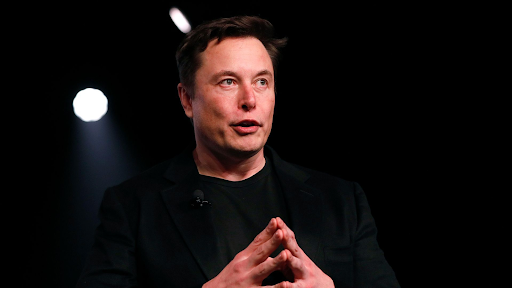

Musk to U.S. Federal Workers: List Weekly Accomplishments or Resign

0

Billionaire entrepreneur Elon Musk took a controversial step last week after taking over the brand-new Office of Government Efficiency (DOGE) by requiring all United States federal employees to submit weekly reports of what they accomplished. The order says that employees who refuse or fail to comply will be considered to have voluntarily resigned.

The move has raised questions about government workforce management, efficiency, and the implications for federal employee job security going forward.

What Musk’s Directive Means for Federal Workers

Musk’s latest directive mandates that all federal employees submit a brief weekly overview of their accomplishments in their positions. Musk states that the objective is to enhance government efficiency, remove inefficiencies, and reduce expenses.

President Donald Trump has openly endorsed Musk’s initiative, cautioning that workers who do not submit their reports will be terminated or “semi-terminated.” The Trump administration contends that this accountability initiative will assist in pinpointing unnecessary positions and enhancing the efficiency and simplicity of government operations. Nonetheless, not everyone agrees with this extreme method.

Concerns Over the Mandate

Thousands of federal workers and their advocates have expressed concern about Musk’s directive, which they say was abrupt and inequitable. Such a policy is naive, some believe, which ignores the long, arduous process of governance where success is not necessarily built of week-by-week insulated actions but of the long-term task of passing legislation and working with staff.

Moreover, agencies such as the FBI and the Pentagon are said to have told their workforce to ignore the email directive under grounds of not having authoritative legitimacy. This has resulted in confusion among workers who are uncertain whether they are required to comply or will face termination.

In addition, labor unions that represent government workers have been warning of possible mass layoffs. They time and again point out that public sector jobs, winely, cannot be analysed in the same lens as private-sector roles, where revenue generation frequently makes for a quick metric of their output.

The Role of Automation in Government Layoffs

In addition to weekly accomplishment reporting, Musk’s department is building an Automated Reduction in Force (AutoRIF) system — software that will automatically identify and fire “underperformers.”

Using such an automated system could lead to unjust dismissals, critics said, noting that decision-making tools driven by AI do not necessarily comprehend the nuance of government work. There is also fear that this could cause mass job losses without adequate human oversight.

Public and Political Backlash

The policy has triggered public outcry, with voters confronting Republican lawmakers about the job security crisis Musk’s directive has created. While some conservative politicians continue to back the initiative as a way to reduce government waste, others have started distancing themselves, worried about potential political fallout.

Some lawmakers are also calling for greater legislative control over executive decisions that impact government employees, arguing that Musk’s authority should not be unchecked.

The Bigger Picture

Beyond Musk’s demand for weekly lists of accomplishments and the creation of automated tools to cut the workforce, the broader issue is part of a continuing debate about the balance between government efficiency and worker rights. Although many Americans support bureaucracy cutting, waste reduction and so on, many fear that this will damage the public sector workforce and disrupt important services.

With government employees, labor unions and lawmakers fighting back, it is unclear if Musk’s policies will be fully implemented or if they will face legal and political challenges.

For now, federal workers face a stark choice: Submit weekly accomplishment reports or risk losing their jobs.

As the deadline to reply to the email neared, Musk said Monday night that “Subject to the discretion of the President, they will be given another chance. If there is no response for a second time, the contract will also be terminated.”

Musk addressed the backlash over the order in a separate post on Monday.

The request on the email was incredibly simple as i mean the minimum to pass the test was to write some words and click on send!!! And yet so many of them failed even that inane test, spurred on in some cases by their managers. “Have you ever seen such incompetence and disrespect for how your taxes are being spent?’

Trump, for his own part, praised Musk’s efforts on Monday.

“There was a lot of genius in sending it,” Trump said to reporters. “If nobody responds, maybe there is no such person, or they are not working.”

One agency employee whom NBC News reached who spoke on condition of anonymity out of fear of reprisal, said managers sent examples of model responses to the email “as empathy for their staff.”

Asking employees to explain what they are working on is by no means a bad strategy as “workforces do this all the time,” Peter Harms, a professor at the University of Alabama’s Culverhouse College of Business, previously told Fortune’s Sasha Rogelberg. Musk did the same when he bought Twitter, now X, in 2022. But, as Rogelberg pointed out, just getting two million federal workers to spend even five minutes responding to an email like this could be incredibly expensive for the government.

Trump administration to cut thousands of jobs at Pentagon and IRS

0

The Trump administration has announced sweeping job cuts, eliminating more than 11,000 positions at the Internal Revenue Service (IRS) and the Pentagon as part of a broader effort to shrink the federal workforce.

IRS Staff Reductions Amid Tax Season

Approximately 6,000 IRS employees were laid off on Thursday, a move that comes at a critical time as millions of Americans prepare to file their tax returns. The affected positions, largely probationary roles, were deemed “non-essential” for the tax-filing season, according to an internal email obtained by CBS News.

Most taxpayers face an April 15 deadline to submit their returns, though some may qualify for extensions. The timing of the cuts has raised concerns about potential disruptions to tax processing and customer service. This reduction occurs during a busy tax-filing season, potentially affecting the agency’s ability to process returns and assist taxpayers efficiently. Additionally, Acting IRS Commissioner Douglas O’Donnell is set to retire after a 38-year tenure, adding to the agency’s transitional challenges. 

Pentagon Workforce Reduction

The Department of Defense (DoD) announced plans to eliminate over 5,000 probationary positions, with layoffs commencing next week. This move aims to reduce the nearly one million civilian employees within the department by 5%. A hiring freeze will also be implemented to prevent the addition of new staff during this period. These measures are expected to impact various support roles, including administrative and maintenance positions.

According to Darin Selnick, Acting Undersecretary of Defense for Personnel and Readiness,

“We anticipate reducing the Department’s civilian workforce by 5-8% to improve efficiency and refocus on the President’s priorities while restoring readiness in the force.”

President Donald Trump’s administration is also firing thousands of federal workers who have fewer civil service protections. For instance, roughly 2,000 employees were cut from the U.S. Forest Service, in addition to the 6,000 people were let go at the IRS.

Broader Implications

These job cuts are part of a broader federal reform initiated by the Department of Government Efficiency (DOGE), created during President Trump’s administration. Elon Musk, leading DOGE, has established performance assessments throughout federal agencies, increasing the drive for efficiency. Nonetheless, certain departments, referring to the delicate nature of their tasks, have opposed these instructions as reported by BBC.

Specialists caution that these layoffs may lead to significant economic consequences, potentially influencing services from tax processing to the upkeep of national parks. The complete impact of these changes is yet to be determined as the administration persists in its efforts to reorganize the federal workforce.

Honda-Nissan multi-billion dollar merger collapses

0

The highly anticipated merger between Honda and Nissan, which could have created a $60 billion automotive powerhouse, has officially collapsed. The two companies were in talks to combine their resources, aiming to compete more aggressively in the rapidly evolving electric vehicle (EV) market. However, fundamental disagreements over control, financial stability, and strategic direction led to the failure of the deal.

Why the Merger Was Proposed

The proposed merger was a strategy to assist both companies to navigate the challenges present in the automobile industry. Competition is increasing from both traditional rivals like Toyota and Mercedes and new concept cars like Tesla and Chinese EV manufacturers. Additionally, automakers have been forced to consider partnerships that allow them to share technology, cut costs, and improve efficiency due to rising production prices, supply chain troubles, and the worldwide shift in the direction of electric and independent motors.

By joining forces, Honda and Nissan hoped to strengthen their position within the global automobile market, develop cost effective EV technologies, and decrease the monetary burden of transitioning away from fuel-powered automobiles. However, as negotiations advanced, several limitations emerged.

Why the Deal Collapsed

1. Management Structure Disputes

A major factor in the collapse was a conflict over leadership and authority. Honda sought a leading position in the alliance, suggesting that Nissan should operate as a subsidiary. Nissan, which has traditionally opposed acquisitions, declined this offer, insisting on a more balanced collaboration. This conflict ultimately turned out to be a significant obstacle

2. Financial Disparities

The financial health of both companies played a key role in the breakdown of the deal. Honda has been performing well, reporting a 25% increase in profits, largely due to strong motorcycle and car sales in the U.S. Nissan, on the other hand, has been struggling, with declining marketplace proportion and financial instability. Investors wondered whether a merger would benefit Honda or just  be a burden in trying to rescue Nissan.

3. Governance and Valuation Issues

The two companies failed to agree on a fair valuation for Nissan, making negotiations even more difficult. Nissan’s market performance and brand reputation had suffered due to past scandals and declining sales, making it difficult to determine an accurate value for the merger.

What This Means for Nissan

The unsuccessful merger places Nissan in a difficult situation. The company has been facing challenges in keeping up with its competitors, especially in the EV industry. Hoping to turn things around, Nissan has revealed substantial job cuts and intends to decrease its worldwide vehicle output by 20% to lower expenses. The firm is currently seeking different partnerships and has started investigating possible collaborations with Foxconn, the Taiwanese electronics powerhouse famous for assembling Apple’s iPhones

Honda’s Next Steps

Honda, on the other hand, is moving forward with its own growth strategy. The company is focusing on developing innovative electric vehicles, including a collaboration with Sony to create a high-tech EV.

Honda vehicle

Honda has also announced plans to revive the classic Prelude model, an indication that it remains confident in its independent growth and technological advancements.

cars

What This Means for the Auto Industry

The failure of the Honda-Nissan merger highlights the problems of large-scale collaborations in the automobile industry. While mergers and partnerships can assist corporations in reducing costs, boost up innovation, and gain competitive advantage, they also come with complicated governance and financial demanding situations.

With rising demand for electric and autonomous motors, traditional automakers need to adapt quickly or risk being left behind. The termination of this merger means that both Honda and Nissan will now need to navigate the future independently, making strategic decisions that would determine their long-time survival in an industry that is changing everyday.

In the end, while the deal might have looked promising on paper, deep-rooted variations in leadership, financial health, and strategic vision led to its downfall. Now, all eyes are on Honda and Nissan to see how they will both tackle the challenges ahead.

U.S. semiconductor startup Groq just secured a $1.5 billion commitment from Saudi Arabia to expand its AI chip delivery in the region

0

The world is constantly welcoming visionaries and innovative companies particularly in the artificial intelligence (AI) sector. Consistent with this, Saudi Arabia has committed $1.5 billion to Groq, a U.S.-based semiconductor startup specializing in AI chips, in a move toward becoming a global leader in AI. This investment is expected to increase Groq’s AI chip production and make Saudi Arabia’s function within the rapidly developing AI enterprise.

The deal was announced at the LEAP 2025 tech conference in Riyadh, where Saudi officials emphasized their goal of making the country a hub for AI innovation. Aramco Digital, a subsidiary of Saudi Aramco, has been working closely with Groq to build a powerful AI infrastructure in the region, and this new investment will further accelerate those efforts.

What Makes Groq Special?

From its advanced data center in Dammam, Saudi Arabia, Groq is now providing cutting-edge AI inference solutions to clients globally via GroqCloud™. Unlike traditional chips, which are designed for general computing tasks, Groq’s chips are optimized specifically for AI, allowing them to process vast amounts of data at record speeds.

At LEAP 2025, Jonathan Ross, CEO and Founder of Groq, together with Tareq Almin and Ahmad O. Al-Khowaiter, Chief Technology Officer of Saudi Aramco, showcased reasoning LLMs, a Saudi Arabian-developed model called Allam, and live text-to-speech models in both English and Arabic. With the increasing demand for AI-powered applications in business, government, and research, AI chips like those produced by Groq are becoming critical for industries looking to leverage AI-driven insights and automation.

Saudi Arabia’s Big AI Push

Saudi Arabia has ambitious plans to lead the AI revolution, committing a total of $14.9 billion to AI research, chip development, and tech infrastructure. The country’s Vision 2030 strategy, which aims to reduce its reliance on oil and diversify its economy, has placed AI and emerging technologies at the center of its transformation.

This deal with Groq is particularly important because it will help Saudi Arabia build its own AI-powered infrastructure, allowing the country to develop independent AI capabilities rather than relying on foreign technology.

What the Investment Means for the Future

Part of the $1.5 billion investment will be used to expand Groq’s AI data center in Dammam, Saudi Arabia, which is anticipated to grow to be a key AI hub for the Middle East, Africa, and India. By housing its very own AI chips and computing power, Saudi Arabia could be able to guide corporations, researchers, and government initiatives with present day AI solutions.

Additionally, this deal highlights Saudi Arabia’s growing role as a first-rate investor in global AI companies. Recently, the company has secured partnerships with NVIDIA, OpenAI, and other leading AI corporations, demonstrating its commitment to shaping the future of AI on a worldwide scale.

Final Thoughts

The Saudi-Groq partnership is a game-changer for AI development in the region. By investing in high-speed AI processing technology, Saudi Arabia is taking a major step toward becoming a global AI powerhouse. This deal not only benefits Groq by giving it the funding to scale its chip production but also positions Saudi Arabia as a leader in the future of AI and machine learning innovation.

As the demand for AI chips skyrockets, this investment signals that Saudi Arabia is serious about dominating the AI industry, ensuring that it remains at the forefront of technological advancements in the years to come.

More migrant workers claim UK farm exploitation

0

A growing number of migrant workers in the UK are speaking out against exploitation on farms, raising serious concerns about the working and living conditions in the country’s agricultural sector. Recent reports reveal that in 2024 alone, nearly 700 seasonal farm workers lodged formal complaints about mistreatment, underpayment, and abusive practices. These claims are part of a wider pattern of labor exploitation, particularly targeting foreign workers who rely on seasonal visas to secure employment in the UK.

Migrant Workers Facing Harsh Conditions

Numerous employees come to the UK anticipating fair pay and acceptable working conditions, but instead find themselves ensnared in debt, cramped living situations, and lengthy, exhausting hours. Reports suggest that some migrant laborers were compelled to work beyond legal limits, were denied medical care, and in severe instances, had to undertake self-dental procedures because of inadequate access to healthcare. Some encountered threats of removal if they commented on their treatment.

A recent investigation into over 20 farms, nurseries, and packhouses uncovered widespread violations, ranging from withholding wages to charging illegal recruitment fees. Some workers reported paying more than £3,000 in recruitment fees to secure jobs, leaving them in serious debt before even arriving in the UK. When these promised jobs failed to materialize, many were left stranded with no income and no support system.

UK Government Response and Challenges

The UK government claims to be taking action to address these problems. Officials have inspected farms, conducted thousands of interviews with workers, and introduced reforms aimed at improving conditions. However, migrant rights groups argue that these efforts are falling short, as the complaints of abuse and exploitation continue to rise.

One major issue is the visa system for seasonal workers, which ties employees to specific employers, making it difficult for them to leave abusive work environments. Many fear that reporting mistreatment could lead to losing their visas and being deported, forcing them to endure poor treatment in silence.

The Gangmasters and Labour Abuse Authority (GLAA) was established to monitor and prevent exploitation, but critics argue that it lacks the power and resources to effectively enforce labor laws across the agricultural sector.

The Bigger Picture: Systemic Labor Exploitation

The UK heavily relies on migrant labor to sustain its agricultural industry, particularly for fruit and vegetable picking, which demands a highly seasonal workforce. 

However, this reliance has created a situation where people are susceptible to exploitation, specially in rural areas wherein oversight is restrained.

Without stricter enforcement of labor laws, fair recruitment practices, and decent protections for immigrants (workers), exploitation will remain a major problem in the UK farming industry. Advocacy groups and labor unions are calling for more potent regulations, fair wages, and more transparency in recruitment practices to ensure that seasonal farm workers are treated with dignity and respect.

A Call for Reform

For real change to happen, the UK government must:

  • Strengthen labor protections and enforce regulations to prevent abuse.
  • Crack down on illegal recruitment fees and unethical hiring practices.
  • Allow workers to switch employers more easily to escape abusive conditions.
  • Increase oversight and penalties for farms that violate labor laws.

As more workers come forward with their experiences, the urgent need for reform becomes increasingly clear. The UK’s agricultural success should not come at the cost of basic human rights, and protecting migrant workers should be a top priority.

Musk launches ‘scary smart’ AI chatbot

0

While some are still skeptical about the potential of Artificial Intelligence (AI), some are constantly pushing forward, making waves and testing the limits of what is possible. One of these individuals is Elon Musk, the founder of Tesla and SpaceX. Elon Musk’s artificial intelligence company, xAI, has launched the latest version of its chatbot, Grok 3, which Musk describes as “scary smart.”

“Grok is to understand the universe,” Musk said at the start of the Grok 3 launch presentation.

“We’re driven by curiosity about the nature of the universe — that is also what causes us to be a maximally truth-seeking AI, even if that truth is sometimes at odds with what is politically correct.”

According to Musk, the advanced AI model boasts over ten times the computing power of its predecessor, Grok-2, and introduces enhanced reasoning capabilities designed to tackle complex tasks by breaking them into smaller components and self-verifying solutions. Early tests indicate that Grok-3 outperforms similar models from OpenAI, Google, and DeepSeek.

Grok-3 offers two distinct reasoning modes: “Think” and “Big Brain.” The “Big Brain” mode is tailored for computationally intensive tasks, providing users with a more robust problem-solving tool. Additionally, xAI plans to introduce “Deep Search,” a next-generation AI search engine, and will soon add a synthesized voice feature to Grok, enhancing user interaction.

Musk pointed out the chatbot’s outstanding reasoning skills, stating, “Grok 3 possesses highly powerful reasoning abilities, and in the evaluations we have conducted so far, Grok 3 surpasses any releases that we know of, which is a positive indication.”

The enhanced chatbot will first be accessible to Premium+ subscribers of X (previously known as Twitter) before it becomes available to other users. Grok 3 joins a saturated market, facing competition from other AI solutions such as OpenAI’s ChatGPT and China’s DeepSeek

Musk’s foray into AI through xAI started in 2023, after he left OpenAI, an organization he co-founded in 2015. His litigation attempts to reverse OpenAI’s transition to a for-profit structure included a $97.4 billion bid to purchase its nonprofit resources, which was rejected.

Now, Grok 3 is  going up against OpenAI’s chatbot, ChatGPT – pitting Musk against collaborator-turned-arch rival Sam Altman.  As the competition in AI heats up, Musk’s xAI is positioning itself as a formidable challenger in the chatbot space. With Grok 3 set to rival ChatGPT, the stage is set for a high-stakes battle between Musk and his former OpenAI co-founder, Sam Altman. Whether Grok 3 will redefine AI interactions or struggle to outshine its competitors remains to be seen, but one thing is certain—Musk is not backing down from the AI race.

UK and US Refuse to Sign Global AI Declaration at Paris Summit

0

At a major AI summit in Paris,  the UK and the US declined to endorse an international declaration focused on promoting the development of artificial intelligence (AI) in an “inclusive and sustainable” manner. This action distinguished them from 60 other nations, such as France, China, India, Japan, Australia, and Canada, that supported the pact.

The statement, created during the AI Action Summit, centered on fostering global collaboration in AI advancement. It underscored the significance of making sure AI advantages everyone while remaining safe, transparent, and ethically directed. The document additionally urged AI systems to honor human rights, foster economic growth, and prevent biases that might cause discrimination or damage.

Why Did the UK and US Refuse to Sign?

Both the UK and the US expressed concerns that the declaration lacked clarity on key issues and could lead to excessive restrictions on AI innovation.

  • The UK’s Position: The British government argued that the document did not offer a concrete framework for AI governance. Officials stated that while they supported responsible AI development, they preferred a more flexible approach that encourages innovation without being overly restrictive.
  • The US Perspective: U.S. Vice President JD Vance was particularly vocal against the declaration, warning that Europe’s AI regulations could slow down progress. He criticized what he called an “anti-growth” regulatory approach, arguing that excessive rules would stifle AI advancements rather than promote safety. Vance emphasized that the US would focus on “pro-innovation AI policies” that encourage research and development.

Global Reactions to Their Decision

Proponents of Regulation: Numerous nations, such as France and the European Union, emphasized that the advancement of AI should be guided by robust ethical and legal standards. They cautioned that in the absence of adequate regulations, AI might present significant dangers, such as job loss, misinformation, and security risks.

Industry and Business Experts: Certain technology firms and investors praised the UK and US position, contending that excessive regulation could hinder companies’ ability to compete internationally. They cited China’s swift advancements in AI as a reason for Western countries to steer clear of limiting regulations.

AI Safety Advocates: Campaign groups and AI researchers criticized the UK and US for failing to commit to global cooperation on AI ethics. Some argued that this could damage their credibility in future discussions about AI safety and governance.

What This Means for AI Governance

This development highlights a growing divide in how different countries approach AI regulation. Europe and many other nations are pushing for strict rules to protect human rights and prevent AI risks. The US and UK are prioritizing economic growth and technological leadership, arguing that AI regulations should not slow down progress. This disagreement could shape the future of global AI policy. Without a unified approach, countries may set their own AI rules, potentially leading to regulatory conflicts and competition over AI dominance.

Conclusion

The UK and US decision to reject the international AI declaration underscores the ongoing debate between AI innovation and regulation. While some see their refusal as a way to protect tech development, others view it as a missed opportunity for global cooperation. As AI continues to evolve, finding the right balance between innovation and ethical oversight will be crucial in shaping its future impact on society.

“We Are Not for Sale”—ChatGPT Boss Rejects Elon Musk’s Multi-Billion Dollar Bid

0

OpenAI CEO Sam Altman has firmly rejected an offer from Elon Musk and his group of investors to buy OpenAI for a staggering $97.4 billion. This high-profile rejection highlights the growing tension between Musk and OpenAI, the company he helped co-found but later distanced himself from.

In response to the bid, Altman made his stance clear: OpenAI is not interested in selling. In a lighthearted jab, he even suggested that he could buy Musk’s social media platform, X (formerly Twitter), for just $9.74 billion—one-tenth of what Musk offered for OpenAI, interesting, isn’t it?

Elon Musk was one of the original founders of OpenAI back in 2015. At that point, OpenAI functioned as a non-profit organization focused on promoting artificial intelligence (AI) for the benefit of humanity. In 2018, Musk left the company because of disagreements about its direction and management. Since then, he has frequently criticized OpenAI, particularly its transition to a for-profit model and its close ties with Microsoft, which has invested heavily in the company.

Musk has argued that OpenAI has deviated from its original mission, claiming that it is now swayed by business interests rather than prioritizing the public good. He has likewise expressed concerns about the potential risks of AI, warning that advanced AI models need to be developed thoughtfully. Now, the same person wants to purchase Open AI, why?

Why Did Musk Want to Buy OpenAI?

Musk’s attempt to purchase OpenAI seems to be motivated by various reasons. Initially, it would grant him authority over one of the most influential AI firms globally. OpenAI’s ChatGPT has established new benchmarks in AI-driven dialogue and automation, drawing millions of users globally. Additionally, Musk’s personal AI project, xAI, remains in its initial phases. His chatbot, Grok, is connected to X (previously Twitter) but has not achieved the same level of sophistication or market impact as ChatGPT. Purchasing OpenAI would have quickly positioned Musk as a major player in the AI industry, enabling him to incorporate OpenAI’s technology into his other ventures, including Tesla and SpaceX.

Ultimately, certain analysts contend that Musk’s offer was also tactical—an effort to decelerate OpenAI’s swift expansion while enhancing his own AI goals. If he succeeded, he could have altered OpenAI’s trajectory to match his personal vision for AI advancement.

OpenAI’s Response and Future Plans

Although there is a huge offer, OpenAI has demonstrated no desire to sell. The firm, currently valued at more than $80 billion, has drawn substantial investments from technology leaders such as Microsoft and persists in advancing AI research and development.

OpenAI’s choice to turn down Musk’s offer indicates that it believes strongly in its future direction and management. The organization concentrates on promoting AI technology while addressing ethical issues and regulatory hurdles. By remaining independent, OpenAI seeks to retain authority over its research and strategic path.

What’s Ahead for Musk and OpenAI?

Musk’s effort to purchase OpenAI has heightened the already tense relationship between him and the organization. It is still uncertain if he will try again to gain power over OpenAI or concentrate fully on creating his own AI business with xAI.

At present, OpenAI stays committed to its objective, while Musk persists in his competition in the AI field. What is undeniable, though, is that AI advancement is emerging as one of the most competitive and high-stakes sectors in the technology arena.

As AI keeps advancing, the struggle for dominance over this potent technology is far from finished.

Google Quietly Removes Its Promise Not to Use AI for Weapons or Surveillance

0

Once again, it is Google’s turn in the spotlight, this time for a policy shift that is as controversial as it is consequential. In a stark contrast from its previous commitment to never develop AI for weapons or surveillance, the tech giant has quietly shifted its stance, raising questions about the future of AI ethics and corporate responsibility.

What Changed?

In 2018, Google unveiled a series of ethical principles to promote responsible AI development. These guidelines were established following protests from Google staff regarding the company’s participation in a U.S. military initiative known as Project Maven, which utilized AI to assess drone video. The reaction was so strong that Google chose not to extend its agreement with the military and publicly vowed never to utilize AI for weaponry or monitoring.

Nonetheless, Google has recently updated its AI principles, subtly removing the explicit prohibition on military and surveillance uses. Rather, the organization now asserts that it will create AI in a responsible manner, guaranteeing human supervision and adherence to global regulations.

Why Does This Matter?

Eliminating this limitation brings up significant ethical issues. Weapons and surveillance systems driven by AI can be utilized for military operations, monitoring people, or even conducting surveillance on large groups. Critics are concerned that Google’s new position might pave the way for agreements with military groups, police departments, or governments that could exploit AI for harmful ends.

This adjustment aligns Google with other technology leaders such as Microsoft and Amazon, who have been developing AI applications for defense and security reasons. With the growing competition in AI development, Google’s change in strategy might suggest that the company aims to avoid being outpaced in winning valuable government contracts.

Concerns from the experts and public

The choice has raised worries among privacy advocates, human rights groups, and even Google staff. There is concern that lifting this limitation may result in AI-based surveillance systems that infringe on individual rights or AI-operated weapons that function with insufficient human oversight.

AI ethicists contend that despite supervision, AI may remain unpredictable. In the past, there have been instances where facial recognition AI incorrectly identified people, resulting in wrongful arrests. Should this technology be utilized for defense or security reasons, the potential dangers might increase significantly.

What’s Next?

As AI progresses, firms such as Google encounter a challenging balancing act—figuring out how to innovate and stay competitive while also ensuring ethical accountability. Google asserts it will maintain stringent ethical standards for its AI initiatives, yet the absence of a definite prohibition on military and surveillance use leaves many unconvinced.

Currently, the main question is if Google will engage in new military contracts or pursue AI surveillance initiatives. The alteration in policy indicates that the company is at a minimum receptive to the idea. It is yet to be determined if this will result in more ethical AI development or possible misuse.

Site logo

* Copyright © 2024 Insider Inc. All rights reserved.


Registration on or use of this site constitutes acceptance of our


Terms of services and Privacy Policy.