Home Blog Page 31

Cyber Security Jobs

In today’s linked world, where every click and keystroke leaves a digital footprint, cybersecurity has emerged as the shield protecting our online lives from lurking threats. It is a world where code-cracking geniuses, cyber investigators, and digital defenders collaborate to keep our digital highways safe and secure. However, beneath the secretive allure is a lively and ever-changing environment brimming with thrilling chances and countless potential outcomes. Cybersecurity careers provide an exciting adventure into the digital era, from stopping cyber criminals to strengthening online security.

Read on as we unravel the shrouds of this captivating field and uncover the secrets to a successful and satisfying career in cybersecurity!

Roles and Career Paths in Cybersecurity

Security Analyst

Security analysts are the vanguard in resisting cyber threats. They focus on suspicious networks, investigate breaches, and enforce strict measures to prevent possible attacks.

Skills 

For this role, one must possess;

  • decent analytical abilities
  • understanding of cybersecurity tools and methodologies
  • knowledge of security protocols and standards
  • critical thinking, and 
  • exceptional communication skills. 

Qualifications

Qualifications include:

  • Bachelor’s degree in a related field
  • CompTIA Security+ certification

Ethical Hacker/Penetration Tester

Ethical hackers function exceptionally in organisations by using their hacking skills to deter malicious hackers by identifying malwares and vulnerabilities in systems.

Skills

For this role, one must possess;

  1. proficiency in various hacking methodologies, 
  2. knowledge of network protocols, 
  3. critical thinking, 
  4. strong problem-solving capabilities, and 
  5. strong ethical principles. 

Qualifications

Qualifications include:

A degree in a related field 

Offensive Security Certified Professional (OSCP) certification

Data Forensic Examiner

Data forensic examiners are specialists in gathering, examining, and storing digital evidence in order to ascertain how an unauthorised user accessed a system. They look into cybercrimes such as insider threats, fraud, and data leaks.

Skills 

Skills required for this role include;

  1. familiarity with forensic tools and techniques 
  2. strong observational skills, 
  3. attention to detail, 
  4. comprehension of legal and regulatory requirements, 
  5. critical thinking skills, and 
  6. capability to perform well under pressure.

Qualifications

A degree in cybersecurity, forensics, or a similar field

Certified Forensic Computer Examiner (CFCE) certification

Certified Information Systems Auditor (CISA) certification

Incident Responder

Just like firefighters rush to put out fires and save people, incident responders do the same for our digital assets. In the event of a cyber attack or security breach, these incident responders swiftly react. They address the danger, correct the issue, and implement precautions to prevent its recurrence. Their objective is to ensure the safety and security of your digital realm against any sly assaults.

Skills 

Skills required for this role include;

  1. Rapid response capabilities
  2. knowledge of incident handling procedures
  3. familiarity with security tools and protocols
  4. communication skills, and 
  5. ability to work well under pressure.

Qualifications

A degree in cybersecurity or a related field

Certified Incident Handler (GCIH) certification

Certified Information Security Manager (CISM) certification

Security Architect

Similar to how architects design structures to withstand attacks, security architects develop digital systems and networks that are strong and resistant to cyber threats. They devise smart strategies to ensure the security of your digital data.

Skills

Skills required for this role include;

  1. Strong technical skills,
  2. knowledge of cybersecurity principles and practices,
  3. proficiency in risk assessment and mitigation, 
  4. problem-solving abilities, and 
  5. attention to detail. 

Qualifications

  • A bachelor’s or master’s degree in cybersecurity, computer science, or a related field
  • certifications like Certified Information Systems Security Professional (CISSP) or Certified Information Security Manager (CISM), is typically necessary.

Fraud Analyst

Fraud analysts specialise in gathering information and examining it to find suspicious activity occurring online. They look for fraudulent and suspicious clues, including unusual transactions or strange behaviour, and they use certain techniques and tools to find the culprits.

Skills 

  1. Analytical skills
  2. knowledge of fraud detection tools and techniques, 
  3. understanding of financial regulations, 
  4. attention to detail, and 
  5. the ability to work independently. 

Qualifications

  • Cybersecurity related degree, 
  • Certifications like Certified Fraud Examiner (CFE) or Certified Anti-Money Laundering Specialist (CAMS)

Cybersecurity Engineer

Cybersecurity engineers build and oversee digital strongholds to defend computers, networks, and data against cyber dangers. They establish security measures such as firewalls and antivirus software to protect against cyber attacks, and regularly oversee these systems for any indications of unusual behaviour. If a danger is identified, they quickly act to address it and strengthen the fortifications to avoid further assaults.

Skills 

  1. Technical proficiency in networking, encryption, and security technologies,
  2. knowledge of cybersecurity best practices, 
  3. problem-solving abilities, and 
  4. attention to detail. 

Qualifications

  • A bachelor’s degree in cybersecurity or a related field
  • Certified Ethical Hacker (CEH) certification.

Cryptographic Engineer

Cryptographic engineers create unique codes known as cryptographic algorithms and protocols. These codes encrypt our communications so that if someone intercepts them, they will be unable to comprehend the message without authorised access.

Skills

  1. Strong mathematical and cryptographic skills, 
  2. proficiency in programming languages like C/C++ or Python, 
  3. knowledge of cryptographic algorithms and protocols, and 
  4. attention to detail. 

Qualifications

A bachelor’s or master’s degree in computer science, mathematics, or a related field, 

EC-Council Certified Encryption Specialist (ECES) Certification

Certified Cryptographic Engineer (CCE) Certification

General Skills and Qualifications

Although the criteria for cybersecurity positions differ among companies, there are some shared patterns. Let us examine some of these criteria to give you an idea of how to land your first cybersecurity role.

Education

Requesting a degree is something companies will never get tired of. To land a cybersecurity role, aspirants should possess a degree in engineering,  computer science, or a cybersecurity related field. However, they are not always mandatory. Possessing strong technical and in-demand skills is more preferred by organisations these days. 

Nonetheless, having a bachelor’s or master’s degree can increase job prospects, enhance competitiveness in the cybersecurity job market, and facilitate career progression. To learn more about getting a cybersecurity degree, visit here.

Skills in demand

  • Networking
  • Programming
  • Encryption
  • Analytical and problem-solving skills
  • Communication and teamwork skills
  • Proficiency with cybersecurity tools

Tips for Landing Your Dream Job

Here are some useful directives and recommendations for landing a cybersecurity role;

  • Obtain a degree related to your preferred role
  • Acquire relevant technical and soft skills
  • Build a strong online presence on relevant platforms like LinkedIn and GitHub
  • Tailor your resume and cover letter for the cybersecurity role you are applying for
  • Take some certification courses, like Certified Information Systems Security Professional (CISSP)
  • Apply for internships to gain practical experience

Cybersecurity salary

0

The discussion on cybersecurity salaries is not just about money; it also focuses on the current demand, importance, and value of your cybersecurity skills. Having a grasp of the factors influencing salary determinations can help professionals make informed decisions about their career paths.

Factors influencing cybersecurity salaries

Cybersecurity salaries can vary widely based on a multitude of factors. Understanding these factors is essential for both beginners and professionals in the field, as the knowledge will aid in maximising their earning potential.

Level of Experience and Expertise

Beginners in the cybersecurity field generally earn less money than those who have been in the industry for a long time. Yet, roles at the introductory level frequently offer chances for progression and enhancement of abilities.

As professionals become more experienced and skilled, they can anticipate substantial salary growth. Intermediate positions might necessitate specific abilities or qualifications, leading to increased potential for higher earnings. Experienced cybersecurity professionals, however, command the highest compensation in the field. Their roles involve managing staff, making strategic decisions, and having a solid understanding of cybersecurity risk management.

Industry and Sector

Various sectors value cybersecurity differently, which causes fluctuations in salary ranges. Industries like finance, and technology offer higher salaries for cybersecurity professionals because they are more sensitive to cyber threats. Governmental establishments might provide competitive salaries as well, particularly those dedicated to safeguarding national security.

Location

It should come as no surprise that salaries can vary significantly based on geographic location. Cities like Atlanta and Washington prioritise individuals with tech skills like programming and cybersecurity, so they provide higher salaries and benefits than others. The cost of living is an important factor as well, as salaries tend to be higher in areas where living expenses are also higher.

Qualifications

Qualifications serve as our pass for different roles, thus playing a crucial part in defining the salaries provided. Moreover, certifications like CISSP, CEH, and CISM are widely accepted in the industry and can prompt higher pay and better career opportunities. Ongoing learning and career growth are essential in remaining competitive in the cybersecurity industry and could result in increased salaries and career advancements.

Type of Organisation

Despite being exceptionally skilled in cybersecurity, being employed at a typical company will only result in receiving a mediocre salary. Many startups and average companies may not have the same level of cybersecurity budget or competitive salaries as large corporations and established companies.

Supply and Demand Dynamics

Following the principle of supply and demand, salaries often rise when there is a greater need for cybersecurity specialists and a short supply of qualified candidates. That is, as there is a shortage of cybersecurity experts compared to the demand, employers may try to attract them with better benefits and higher pay.

Specialisation and Niche Expertise

Finally, the diverse cybersecurity roles have an impact on pay. Certain roles in cybersecurity and specialised knowledge can fetch higher compensation than others. These roles, which include  incident response, blockchain technology, and cloud security, may see increases in pay as a result of their in-demand skill set.

Highest-Paying Cybersecurity Jobs

1. Security Engineer

Developing, implementing, and maintaining security procedures to protect computer systems, networks, and data within an organisation from cyber threats is the primary duty of a security engineer.

Salary Expectations- $108,356 per annum

2. Information security analyst

Information security analysts investigate, document, and report security breaches to the organization. They research modern IT security trends, aiding users with security software and protocols.

Salary Expectations- $90,425 per annum

3. Risk Analyst

A risk analyst specialises in recognising, assessing, and controlling possible risks in a company to reduce harm and enhance chances of achieving goals.

Salary Expectations- $105,930 per annum

4. Chief Information officer

A Chief Information Officer (CIO) is the senior executive in charge of managing a company’s technology strategy and day-to-day operations. They make sure that the technology systems of the organisation effectively align with its goals and objectives.

Salary Expectations- $118,328 per annum

5. Penetration tester

A penetration tester aims to discover the reasons and methods behind a cyber attack to address the vulnerabilities in their systems. Following multiple cyber attack simulations, various tools and techniques are utilized to improve system defenses.

Salary Expectations- $119,538 per annum

6.Cloud Security Engineer

A Cloud Security Engineer is a specialist who is in charge of creating and executing security protocols to safeguard cloud-based systems and data. They excel at recognizing possible weaknesses and developing plans to reduce dangers.

Salary Expectations- $121,823 per annum

7.Security Architect

Just like architects create buildings to withstand attacks, security architects design digital systems and networks that are robust and resilient against cyber threats. They come up with intelligent plans to guarantee the safety of your online information.

Salary Expectations- $196,835 per annum

8.Cybersecurity Engineer

A Cloud Engineer, particularly one who focuses on software development, plays a key role in creating secure cloud-based applications and suggesting security measures specific to the cloud.

Salary Expectations- $138,111 per annum.

Web 3.0 Apps

0

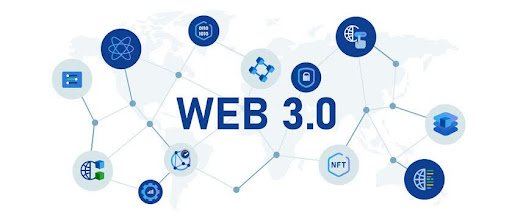
While Web 3.0 promises a more transparent, resilient, and equitable internet experience, where privacy and user empowerment are at the core, it is not an omnipotent construct. This digital frontier can only achieve its promises through mediums like apps and websites. However, this article will focus on the app aspect.

A number of Web 3.0-conscious apps have emerged, changing the usual methods of doing things like carrying out transactions, interacting online, and managing personal data. These applications use blockchain technology, decentralisation, and enhanced security characteristics to provide users with increased control, privacy, and effectiveness in their online engagements.

Web 3.0 Apps

With the introduction of Web 3.0, various developers have assessed the diverse needs of users and created user-oriented apps to meet those demands. Some of these apps, listed in no particular order, are highlighted below.

MetaMask

metamask

MetaMask offers the easiest and most secure method to access blockchain applications. It gives users constant control while engaging on the emerging decentralised internet.

Axie Infinity

Axie Infinity

In the entertaining online game Axie Infinity, you can battle, raise, and gather virtual entities known as axies in order to win rewards and have fun. You can utilise virtual currency earned from winning battles and playing the game to purchase real money or use it within the game itself. Additionally, as Axies are kept on the blockchain, they are genuinely yours. This implies that you have the ability to either sell or trade them with other gamers.

OpenSea

OpenSea

On OpenSea, users have the ability to purchase and trade non-fungible tokens (NFTs) on the decentralised platform. Relying heavily on it for establishing and transferring ownership of digital collectibles. OpenSea utilises smart contracts designed for buying and selling specific digital assets in a decentralised marketplace. Users are able to protect their ownership of NFT collectibles on the platform using smart contracts, ensuring the safety of the creators’ work.

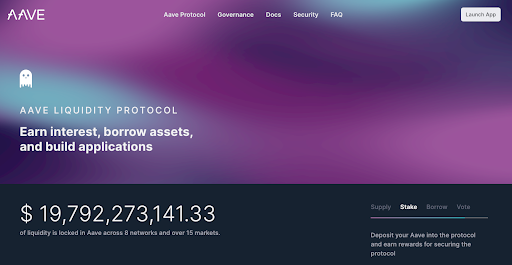
Aave

Aave

Aave is a special distinct platform that lets people lend and borrow cryptocurrency without using an intermediary service. People can either borrow virtual currency by guaranteeing some of their personal assets as security, or they can lend it to earn interest. Everything is managed by smart contracts, which are automated and secure.

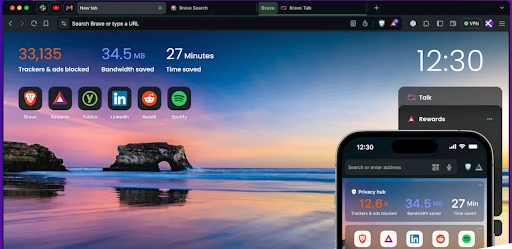
Brave-Browser

Brave-Browser

Brave Browser is a user centered web browser integrated with Web 3.0 functions, enabling a browsing experience that is free of ads and trackers, making durfing seamless and fast.

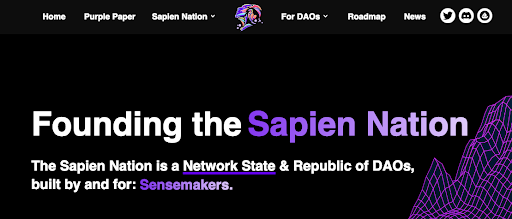
Sapien

Sapien

Sapien distinguishes itself from traditional platforms such as Google or Facebook by prioritising user customisation. The dedication of the platform to removing ads and fees will guarantee a user-focused experience. In 2024, Sapien will revolutionise social news platforms in the Web 3.0 environment by leveraging the Ethereum blockchain. 

Uniswap Protocol

Uniswap Protocol

Uniswap is an excellent Web 3.0 decentralized finance (Defi) exchange platform that provides users with full ownership via a decentralised network protocol instead of being governed by a solitary corporation. It serves as a central location where developers, traders, and liquidity providers can engage in a transparent and welcoming financial market.

Torum

Torum

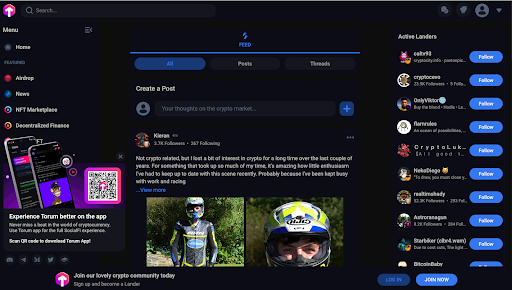
Torum serves as the trailblazer of social media platforms for members of the crypto and blockchain communities. The goal of the platform is to unite cryptocurrency enthusiasts, and stakeholders in a specialised virtual environment to enhance cooperation and build connections. It promotes a culture that values community participation, collaboration, and information exchange.

Chainlink

Chainlink

Chainlink is a tool made to make it easier to combine blockchain technology with actual data. It sends real data to blockchain-stored smart contracts, such stock values and weather updates, from the real world. This increases the functionality and adaptability of decentralised apps (dApps) by empowering smart contracts to carry out more complex and advantageous tasks.

Decentraland

Decentraland

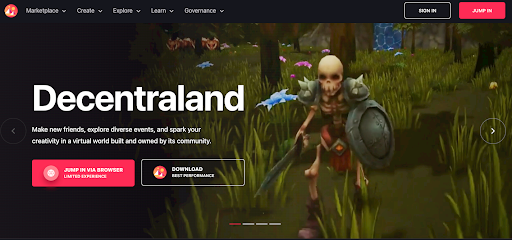
Users may create, find, and benefit from content in a decentralised framework on the immersive and commercially viable Ethereum blockchain platform Decentraland. It is possible for customers to purchase virtual assets, design unique surroundings, and build interactive experiences.

Tips for Using Web 3.0 Apps

  • Understand the app you are using. Ensure you are able to create an account and wallets if they are cryptocurrency related apps.
  • Ensure you store your password in a safe place, as well as your digital pin and access.
  • Understand the transaction fees of each app. Be aware that fees can vary; they may be higher during busy times.
  • Stay secure by keeping your recovery phrase private and safe and activate your two-factor authentication (2FA).
  • Join the Community related to whatever type of Web 3.0 app you are using

Web 3.0 Applications

0

Driven by the flaws of Web 2.0, Web 3.0 offers people an easier, more inclusive, intuitive, and safe way to interact with the Internet. This development represents a significant change in our understanding of and usual interactions with the internet, going beyond simple technological advancement. As data breaches and privacy issues worsen and a small number of tech giants become more monopolistic, Web 3.0 has become the intervention we need as it establishes a fair and safe digital environment by distributing control and incorporating cutting-edge technologies. The impact of Web 3.0 is felt across diverse domains and niches. Before delving into these domains, it is important to shed light on the core technologies enabling Web 3.0.

Core Technologies Enabling Web 3.0

Blockchain Technology

The technology at the helm in this context is blockchain technology, which serves as the base layer for decentralisation. The decentralised ledger system of Web 3.0 enabled by blockchain, ensures transactions are transparent, secure, and immutable, eliminating the requirement for intermediaries. This decentralisation is vital for decreasing the influence of central authorities and improving user autonomy in managing their data and digital interactions.

AI and Machine Learning technologies

Another essential element driving Web 3.0 is Artificial Intelligence (AI) and machine learning technologies. These technologies guarantee that data from various platforms can be interconnected and comprehended contextually by machines. This improved understanding and responsiveness allows for advanced search functions, making it easier for users to quickly access more pertinent information online, which in turn opens up possibilities for more comprehensive and interconnected web applications.

Interoperability

The interoperability concept is integrated into Web 3.0 to enable seamless communication and collaboration across different systems and networks. The Web 3.0 guarantees that data from various platforms can be connected and comprehended by machines through the use of ontologies and metadata. This improved data connectivity provides advanced search capabilities, helping users locate relevant information more quickly. 

Decentralisation

Web 3.0 relies heavily on decentralised protocols because they facilitate safe and effective data sharing and storage. Moving away from traditional server-centred solutions, the InterPlanetary File System (IPFS) and related technologies provide an alternative decentralised approach for data storage. IPFS enables data distribution among nodes in a network, providing increased redundancy, resilience, and accessibility. The dispersion of data storage decreases the chances of data breaches and boosts the accessibility of information, even if certain nodes become inactive.

Industry Applications of Web 3.0

As discussed in the introductory content of this article, the impact of Web 3.0 is felt across diverse domains and niches. Web 3.0 technologies are poised to transform these domains by enhancing user experience, protection, and productivity. A handful of the applications of Web 3.0 in diverse industries are covered below:

Medical care

  • Web 3.0 is utilised in healthcare to establish secure and unchangeable patient records. This ensures accuracy in medical data that is only accessible by authorised personnel, resulting in fewer errors and better patient care. 
  • Web 3.0 also allows healthcare providers to easily share patient information, improving collaboration and treatment results.
  • Web 3.0 allows for the examination of large quantities of medical information, resulting in improved diagnoses and individually tailored treatment strategies. 
  • Through Web 3.0 technologies, practitioners have the ability to forecast patient results and recommend the most efficient treatments by analysing individual health profiles, thus enhancing the overall standard of healthcare.

Supply Chain Management

  • Web 3.0 enables full visibility throughout supply chains, enabling all parties to monitor the real-time movement of products. This clarity aids in pinpointing obstacles, decreasing deceit, and guaranteeing the genuineness of products. One example is how businesses such as IBM and Walmart use Web 3.0 to track food items from the farm all the way to the consumer, guaranteeing both safety and quality.
  • VeChain and Provenance use Web 3.0 to verify the source and path of products, from start to finish. This does not just improve productivity, it also creates trust among customers as it offers verifiable evidence of sourcing and genuineness.

Education

  • Educational organisations are also embracing this technology to distribute and authenticate digital diplomas and certificates. This ensures that certifications are unchangeable and that employers and other educational institutions may readily verify them. Students can safely share their validated academic successes with others by using Web 3.0 services like Blockcerts.
  • Web 3.0 is changing the education field through the offering of customised learning opportunities. Web 3.0 adaptive learning platforms assess how students are doing and customise educational material according to each student’s unique learning preferences and requirements, increasing participation and boosting results. Platforms such as Coursera and Knewton utilise Web 3.0 to suggest courses and materials according to a student’s advancement and interests.

Real Estate

  • Web 3.0’s essential component, smart contracts, streamlines real estate transactions while increasing effectiveness, transparency, and reducing the risk of fraud. As long as certain conditions are met, these agreements can be carried out directly, eliminating a need for intermediaries and saving on transaction expenses. Websites such as Propy allow individuals to safely conduct real estate deals over the internet.
  • In order to manage property rentals and maintenance, Web 3.0 decentralised applications, are also being developed. These systems facilitate direct communication between tenants and property owners, making duties like service inquiries, lease negotiations, and rental payments easier. This lowers administrative costs and enhances tenant happiness.

Benefits of Web 3.0 

  • Web 3.0 apps guarantee safe transactions, lowering the possibility of fraud and data breaches.
  • Web 3.0 gives people greater authority over their data and digital interactions by doing away with the necessity for centralised middlemen.
  • There is greater privacy protection as user data is not stored on centralised servers susceptible to hacks or unauthorised access.
  • By eliminating the need for intermediaries, Web 3.0 applications make digital transactions more cost-effective and more accessible.
  • Users get to own their digital assets and data, which empowers them to manage the usage of their data to their satisfaction.
  • Web 3.0 smart contracts allow for trustless transactions—transactions between parties without the requirement for middlemen or outside verification.
  • Web 3.0 applications facilitate seamless communication and collaboration across different systems and networks.

Challenges and considerations of Web 3.0 

  • A number of Web 3.0 applications do not have user-friendly interfaces, making it difficult for people to navigate their services.
  • There are scalability concerns, which hinder their capacity to process a high volume of transactions rapidly and effectively.
  • It can be difficult to achieve smooth interoperability across various Web 3.0 devices and technologies.
  • Web 3.0 brings in new ideas and technology that users might not be familiar with, which makes adoption difficult and necessitates a significant investment in training and education.
  • Resistance to change presents significant adoption challenges for Web 3.0 applications.

Future Expectations of Web 3.0

  • Mass adoption
  • Improved user experience
  • Increased scalability
  • Enhanced privacy

Design Thinking Certification

In a society where creativity drives progress, design thinking skills are a must have, as it provides a novel approach to problem-solving that centers on people’s needs and experiences. Consider it like acquiring a unique collection of tools that assist you in developing innovative answers and viewing obstacles from an alternate point of view. Becoming certified in design thinking not only imparts these important skills to you but also positions you at the forefront of a continually evolving industry, prepared to innovate the future.

Why get a design thinking certification?

Obtaining a design thinking certification could be a significant move to progress in your current role or discover new job opportunities.

  • It enhances your worth to potential employers by demonstrating your ability to address intricate issues in a creative and efficient manner. 
  • You will be able to design from the viewpoints of the individuals you are designing for, a beneficial technique in all industries. 
  • You will acquire robust practical experience that will make you stand out in the job market. 
  • You also become part of a like minded community who share your enthusiasm for making a difference, allowing for connections and teamwork with others. 

Types of design thinking certifications

Different design thinking certifications provide diverse opportunities to both learn and implement this innovative method. Certain programs are organized in the form of immersive bootcamps, allowing participants a deep diving learning experience, integrating academic understanding with hands-on practice. These bootcamps are ideal for individuals seeking to rapidly acquire knowledge and put their freshly acquired skills into action right away.

Additional certifications can be obtained through conventional training programs that are available either online or in physical form. These programs typically last for several weeks or months and offer a thorough grasp of design thinking, covering empathy, ideation, prototyping, and testing. Usually, they consist of a combination of lectures, group assignments, and real-life case studies.

Workshops, also a favorite choice, provide brief, concentrated sessions that address specific areas of design thinking. These are ideal for individuals looking to improve their skills without enrolling in a complete certification program.

These various options to pursue a design thinking certification, caters to diverse learning preferences and time commitments. This level of adaptability enables you to discover the perfect match for your requirements and begin implementing design thinking principles in both your personal and professional life.

General preparations

Anything of considerable value in life has a cost. Beyond the monetary implications of pursuing a design thinking certification, you have to be adequately prepared too. Like they always say- it is easy to begin an endeavor, completing it is the main challenge. Hence, adequate preparation is key.

  • One, it is advantageous to possess a fundamental comprehension of the essence of design thinking. One way to begin is by reading articles, watching videos, or enrolling in a brief online course to understand essential ideas such as empathy, ideation, and prototyping.
  • Next, think about the information you already know. Although design thinking can be used by individuals from various backgrounds, having prior experience in problem-solving or project work can be advantageous. If you are entering from a different area, there is no need to worry; simply stay receptive to learning and utilizing fresh perspectives.
  • Before you start preparing for the certification, make sure to collect some suggested reading materials or resources provided by the program. Books, articles, and online tutorials can offer more in-depth knowledge and get you ready for the content covered in the course.
  • Moreover, be prepared to actively participate in the certification program. This entails engaging in conversations, working with classmates, and accepting the practical projects that are essential components of many design thinking classes. The greater effort you invest in the experience, the greater rewards you will receive from it.
  • Finally, stay open-minded and be willing to think creatively and empathetically. Design thinking involves looking at the world from various perspectives and creating unique solutions, making it essential to be receptive to fresh ideas and methods.

By incorporating these steps, you will be ready to embark on your design thinking certification and maximize the skills and knowledge you acquire.

Future trends

Ultimately, obtaining a design thinking certification is a life-changing action that provides you with essential abilities to address difficult problems using creativity and empathy. After finishing the certification, you will be more equipped to tackle issues from different perspectives, create original answers, and have a significant influence on both your personal and work life.

In the future, certified design thinkers can expect a promising outlook. As businesses progress and focus on solutions centered around people, the need for professionals skilled in design thinking is expected to increase. You will discover chances in a variety of sectors like technology, healthcare, education, and business, where your skill in innovation and empathy will be greatly appreciated.

Furthermore, the principles and methods of design thinking will continue to be important in addressing emerging challenges, ensuring that your abilities remain sought after. 

Design Thinking Bootcamp

Acquiring knowledge of design thinking goes beyond simply reading or listening; it necessitates hands-on practice. Design thinking boot camps serve this purpose. These bootcamps are immersive programs that provide practical training on utilizing design thinking in practical scenarios. They provide workshops, team projects, and mentorship from professionals to assist you in honing and applying these skills in a nurturing setting. Read on as we explain in detail what to expect from these bootcamps.

What is Design thinking?

The design thinking process is a method for coming up with innovative solutions to problems while keeping users’ and consumers’ wants and preferences in mind.. Continue reading.

How design training boot camps are structured

Design thinking boot camps are organized to offer a deep diving learning experience, integrating academic understanding with hands-on practice. The bootcamp typically starts with a presentation on the processes of design thinking.

The design thinking process involves generating creative solutions to problems by considering the needs and desires of users and consumers. The design thinking process mimics the creativity process in its approach. In the process of creativity, the first step is preparation, during which you get ready and comprehend the issue. Next is the incubation stage, where you brainstorm and create different ideas and concepts. Following is enlightenment, where you polish and elaborate on your ideas to a greater extent. Lastly, you showcase and validate your original concepts.

The process of design thinking operates in a comparable way. The first step is to understand and connect with your users. This essentially involves gaining a deeper understanding of them. Here, you interact with your users, conducting interviews and exploring with them to gain a deeper understanding of the problem. It is akin to empathizing by seeing things from someone else’s perspective to comprehend their circumstances. Continue reading.

Afterwards, attendees get to familiarize themselves with the purpose and the significance of implementing a user-focused strategy during the bootcamp. This phase establishes the mood for the entire bootcamp, highlighting the importance of empathy, creativity, and iterative problem-solving.

Benefits of design thinking bootcamp

Participating in a design thinking bootcamp provides many advantages, aiding both individuals and organizations in innovating efficiently and creatively solving problems

  • Participants are taught a method that centers around the user, emphasizing the importance of comprehending user needs and wants. This method promotes understanding and guarantees that solutions are created considering the final user, resulting in better and more suitable products or services.
  • Another important advantage is the enhancement of teamwork abilities. Bootcamps frequently require collaborating in varied groups, improving communication, teamwork skills, and the capacity to utilize various viewpoints. This shared workspace simulates real-life situations, getting individuals ready to succeed in their work environments.
  • Participants also acquire hands-on experience using different design thinking tools and techniques. These consist of brainstorming, prototyping, and testing, which are essential for repeatedly improving and perfecting ideas. This practical experience is extremely useful because it lets people put theoretical knowledge into practice.
  • Moreover, bootcamps offer a well-organized setting for fostering creativity. The organized structure of design thinking aids individuals in methodically addressing complicated issues by breaking them into smaller, more manageable tasks. This method encourages creativity while also making sure that the creativity is in line with practical and achievable outcomes.

In conclusion, participating in a design thinking bootcamp has the potential to contribute to one’s personal development. Participants frequently engage in creative thinking, viewing failure as a chance to learn, and becoming better at adapting to change. These skills are important not just at work but also help people grow personally, by making them more adaptable and creative in their daily life.

Where to apply for design thinking bootcamps

  1. Stanford d.school
  2. IDEO U
  3. MIT Bootcamps
  4. Design Thinkers Academy
  5. Cprime
  6. Lisbon Design Thinking Bootcamp
  7. General Assembly

Who should attend a design thinking bootcamp?

A design thinking bootcamp is not tailored for a particular demographic.

Individuals, regardless of their field or knowledge, who have an interest in creativity and solving problems, can gain advantages from participating in a design thinking bootcamp. Attendees often represent various sectors such as business, technology, design, education, healthcare, and others. Novices and experienced individuals alike are also greeted. These courses are designed for people who want to get better at solving problems creatively and working with others in different kinds of teams.

Explore similar topics

Prompt Engineering Certification

Nowadays, behind every professional career are certification courses, workshops, and training. Before diving into any of these, it is imperative to answer the question of “why.”

Why get certified?

Obtaining a certification in prompt engineering comes with numerous appealing benefits. Most importantly, it offers official acknowledgment of your skills in a specific and growing area of Artificial Intelligence (AI). As AI technologies are increasingly adopted by businesses and industries, the need for professionals skilled in designing and optimizing prompts is rising to guarantee accurate and pertinent system responses. Certification shows that you have the required abilities and expertise to fulfill this need.

Furthermore, obtaining a certification can greatly improve your career opportunities. It adds not just a valuable credential to your resume but also sets you apart from other job market contenders. Employers frequently look for certified professionals with demonstrated expertise in areas such as customer service, content creation, and data analysis, where quick problem-solving is essential.

About the certification

The Prompt Engineering Certification Programme is initiated to provide participants with the necessary knowledge and skills to succeed in the growing prompt engineering field. This inclusive programme serves a diverse group of people, including AI enthusiasts, data analysts, and professionals in fields such as customer service and content creation who use AI technologies. Anyone with a fundamental knowledge of AI and Natural Language Processing (NLP) can participate in the programme. Although having previous experience with AI models can be helpful, it is not required. The programme caters to both novices and individuals seeking to enhance their skills.

Curriculum covered

The programme involves a combination of online lectures, interactive workshops, and practical projects for delivery. Participants have the option to select either self-directed learning or attend scheduled classes with live guidance. 

  • The programme starts with a presentation on AI and NLP, teaching the fundamentals of AI and NLP as a basis for rapid development. 
  • The following module covers the fundamentals of prompt design, presenting key ideas and methods for creating successful prompts. 
  • The next chapter delves into advanced techniques for creating prompts. 
  • Followed by a section on using prompts in real-world situations and case studies, which show how prompt engineering is applied in different industries with real-life examples. 
  • The last section covers ethical issues related to the use of AI, making sure that participants grasp the ethical consequences and proper use of AI technologies.

How to enroll in the certification programme

Enrolling in a prompt engineering certification programme is a rather straightforward process.

  • Begin by visiting the Prompt Engineering Certification Programme’s official website. This site will provide in-depth information on the programme, featuring details on course modules, instructors, and enrollment dates.
  • Carefully examine the programme specifics to make sure it aligns with your educational requirements and professional aspirations. This involves researching the curriculum, grasping the learning objectives, and verifying the eligibility requirements.
  • Make sure you fulfill the fundamental criteria for the programme. While prior experience with AI models is not necessary, it is generally advised to have a basic understanding of artificial intelligence and natural language processing.
  • Make a choice on whether you prefer to follow the program at your own pace or attend scheduled classes with live guidance. The website will offer choices for both modes, giving you the ability to choose the one that aligns with your schedule and learning preferences.
  • Before you complete your registration, please carefully go over the program costs and the payment methods that are offered. The site will offer information about programme fees, installment options, and possible scholarships or financial assistance opportunities.
  • Finish the payment procedure with the method that is most convenient for you and unlock the course materials and resources.

Where to enroll for Prompt Engineering certification courses

Must Read

What is Prompt engineering?

ChatGPT Prompt Engineering

Prompt Engineering Jobs

Prompt Engineering Salary

A Guide to Powerful Design Thinking Activities for Creative Problem Solving

The design thinking process encompasses various activities. Design thinking is not only a process, but also a mindset that involves tackling problems with a different approach built upon curiosity, empathy, and a commitment to refining until an ideal solution is discovered.

Continue reading with us as we plunge enthusiastically into the various design thinking activities. We will further explore how these activities fuel creativity and actualize ideas, enabling teams to solve intricate issues and discover innovative answers.

Ten essential design thinking activities

Empathy Building Activities

In design thinking, empathy is a core element, making empathy building exercises and activities equally important. Activities in this regard includes random acts of kindness such as walking up to harmless individuals and keeping them company through a discussion. This kind of act helps to develop empathy which will aid in design thinking process. Another empathy-building exercise is active listening. Individuals should hone their listening skills to grasp important details and nuances in discussions, facilitating a deeper understanding of user needs and preferences.

Observation and Immersion

Observation and immersion are another form of activity in design thinking. In workshops, the tutors can come up with an observation and immersion activity for the learners, such as ”I spy” and ”Spot the difference.” These games are not only enjoyable but also effective in honing attention to detail, spatial awareness, and critical thinking skills. These skills, when properly developed, will aid in observing users to gain insights into their behaviors and expectations.

Problem Definition

Problem definitions are very interesting and engaging activities in design thinking. In this activity, participants are given a series of problem statements that are connected to a particular theme or subject. They are then tasked to merge components from these problems in order to form fresh, hybrid problem descriptions. This game prompts players to engage in critical thinking about the core problems and investigate creative answers. Participating in this activity repeatedly will imbibe the participants with the ability to create problem statements focused on user expectations and pain points.

Ideation and Creativity

Like empathy, ideation and creativity are also core concepts of design thinking. Here, teams are generally tasked with generating a wide range of ideas without discrimination to explore potential solutions. Various activities aid in this context. One is the crazy 8s which requires participants to rapidly sketch eight ideas in eight minutes to stimulate creativity and ideation. Another activity is the “reverse thinking” exercise where a problem or challenge is presented to participants and they are encouraged to generate solutions that go against what is typically expected. For instance, when the issue is how to boost sales, participants could brainstorm strategies for decreasing sales or repelling customers. This game promotes thinking creatively and exploring non-traditional ideas.

Prototyping

Prototyping activities are interesting and experimentative sessions carried out to allow participant bring their idea to life. These activities can be carried out with using any material such as paper, sticky notes, and other simple materials to visualize ideas.

Testing and Iteration

A popular usability testing and iteration activity is the “A/B testing exercise,” where participants are split into two teams, with each team tasked with developing two distinct prototypes or solutions. Every team showcases their renditions to the group, and members cast their votes for the preferred version using predefined criteria like usability, effectiveness, and innovation. This game promotes competitiveness and enables players to experiment with different solutions to determine the most efficient strategy. Skills gained from this activity will aid participants in making quick and changes to prototypes based on user feedback to improve usability and desirability.

Storytelling activities

Indeed, not everyone can illustrate and articulate situations with words. Story telling activities help in this regard. These activities aid participants in narrating user scenarios and communicating ideas and solutions effectively. Activities include “picture storytelling” and ”storytelling cards.” Both activities share similar concepts in that participants will create a story based on the picture presented or the concept they hold. This activity encourages imagination, creativity, and active listening and allows participants to practice storytelling in a supportive and collaborative environment.

Collaborative Workshops

In a workshop, individuals participate in interactive tasks like drawing, sharing ideas, and generating solutions together to explore concepts and collaborate on creating answers. By utilising the combined intelligence and viewpoints of team members, these workshops reveal fresh perspectives and opportunities that may not have been apparent through individual work alone.

Visualization

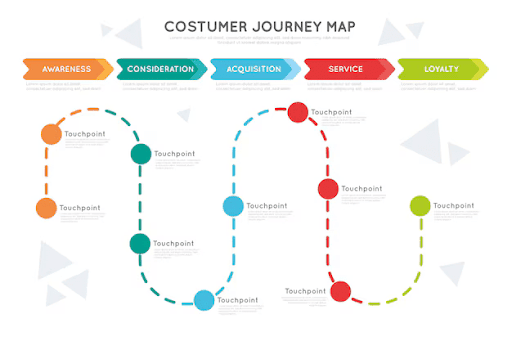
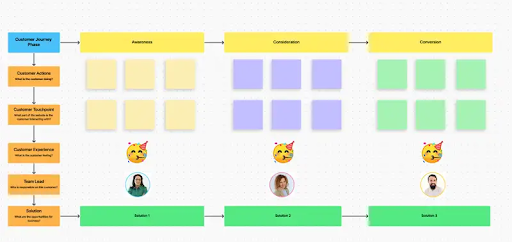
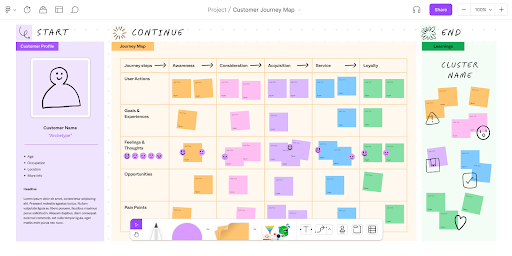
Visualization activities are essential in the design thinking process, enabling teams to convert abstract ideas into tangible representations that are easy to comprehend and communicate. Creating a visual journey map is a useful visualization activity that shows the different steps of a user’s interaction with a product or service. During this activity, team members work together to outline the steps the user takes from first realizing a product exists, all the way to making a purchase and beyond. Teams can achieve a comprehensive understanding of the user’s journey by visually representing every touchpoint and interaction, enabling them to pinpoint pain points, recognize areas for enhancement.

Roleplay

Roleplaying is a dynamic and engaging exercise that helps team members better understand consumer demands and issues by assuming different personalities and acting out actual-life situations. Team members can develop greater empathy and a clear understanding of the problems they face by placing themselves in the users’ shoes. This enables them to come up with solutions that work better. Roleplaying fosters empathy and mutual understanding among team members by promoting communication and teamwork.

These activities cover the crucial stages of the design thinking process, starting from understanding users’ needs to creating and testing solutions in a repeated manner. By including these activities in their routine, teams can encourage creativity, teamwork, and innovation to effectively address complex issues.

Design Thinking User Journey Map

The user journey map is a crucial component of the design thinking discourse. It has to do with understanding a user’s experience which is very important in today’s personalized market. It helps businesses visualize the whole consumer experience when they use their product or service. Through the detailed analysis of every interaction, companies obtain a thorough understanding of their customers’ requirements, challenges, and feelings. This targeted method guarantees that the product or service meets the user’s expectations.

Additionally, User Journey Maps identify obstacles and inefficiencies, allowing for targeted improvements and streamlined processes. They also drive innovation by uncovering needs that have not been addressed and coordinating various teams within the organization. Consistently updating the map enables businesses to monitor shifts in user behavior and assess the effects of their enhancements, upholding a user-focused strategy and guaranteeing sustained success. Essentially, a user journey map closes the gap between customer expectations and business goals, promoting stronger relationships and increased loyalty.

Before diving into the content of this article, encompassing the steps to create a user journey map, common challenges and the tools required, it is imperative to have a foundational knowledge of design thinking. The articles below will do justice to that:

Steps to Create a User Journey Map

An organised method for comprehending user experiences, recognising important touchpoints, and visualising the journey is needed to create a user journey map. Highlighted below are steps to make a user journey map that works well.

Define Objectives and Scope

Begin by clearly defining the purpose of your User Journey Map. Are you looking to understand pain points in the current user experience, improve specific processes, or enhance overall user satisfaction? Defining the scope ensures that you stay focused and relevant throughout the mapping process.

Identify User Personas

Next, create specific user profiles that mirror various groups within your desired audience. This is done by creating a character using real data that represents your users. This stage is important because it allows you to connect with your users and comprehend their experiences from their point of view.

Gather User Research

Afterwards, carry out comprehensive research to obtain an understanding of user interactions with your product or service. Employ a variety of techniques like questionnaires, discussions, group interviews, and user experience evaluation. This research will provide the foundational knowledge you need to map the user journey accurately.

Define Touchpoints and Stages

The next step is to identify every point of contact where users engage with your product or service. This can be engagements through your website, customer service, or physical storefronts.  Every step must symbolize an important part of the user’s journey and incorporate relevant points of contact.

Map the User Journey

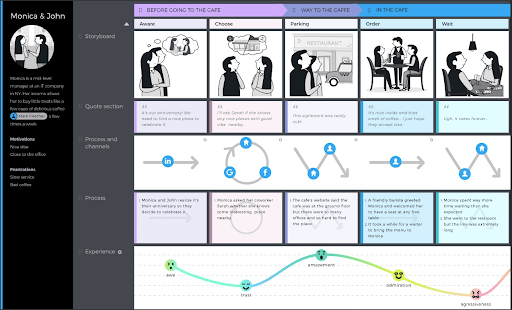
Mapping the user journey is a critical step which helps to develop a graphic depiction illustrating the user experience throughout their interaction. Map the user’s actions, thoughts, and emotions for every touchpoint and stage. You can use visuals like timelines, flowcharts, and diagrams to demonstrate the journey. Ensure to emphasize important interactions, challenges, and enjoyable moments. This visual map will act as an effective tool to convey user experiences and pinpoint areas for enhancement.

Validate with Real Users

Share the User Journey Map with actual users to validate your findings. Gather feedback to ensure the map accurately represents their experiences. 

Collaborate and Iterate

Collaborate with teams from different departments to tackle the pain points and opportunities that have been identified. Utilize the information gathered from the User Journey Map to guide design choices, streamline processes, and boost user satisfaction. Continuously update the map according to continuous user feedback and changing requirements. Collaboration leads to the consideration of various viewpoints and the implementation of optimal solutions.

Communicate and Share

After finalizing the User Journey Map, make sure to effectively communicate it with all stakeholders. Make sure that all individuals participating in the project grasp the user experience and the highlighted opportunities for enhancement. Utilize the map to synchronize teams and promote decision-making centered on the user. Good communication guarantees that knowledge is spread and put into action throughout the entire company.

Implement Changes and Monitor

Lastly, execute the modifications and enhancements informed by the User Journey Map data. Keep track of how these changes are affecting user satisfaction and the overall experience. Collect feedback regularly and make sure the map is always up-to-date with new discoveries or user journey modifications. Keeping track of and revising the map guarantees that it continues to be a dynamic document that changes along with user requirements and business objectives.

Common Challenges

  • A main difficulty in developing a user journey map is the absence of defined goals. If there are no clear objectives, the mapping procedure may lose direction and work ineffectively. In order to deal with this issue, it is important to establish specific goals prior to beginning the journey mapping process. Decide on your objectives, whether they are pinpointing areas of discomfort, enhancing customer contentment, or simplifying operations. Defined goals are important to navigate the mapping procedure and guarantee the resulting map is practical and effective
  • Another major obstacle is the lack of sufficient user data. Obtaining thorough and precise user data can be challenging, resulting in an incomplete or inaccurate journey map. Interacting with consumers and gathering direct observations is essential to ensuring that the map accurately reflects users’ real-life experiences.
  • Failing to consider the variety of users is another common mistake. Not considering the wide variety of users can lead to a journey map that does not truly represent the experiences of all user groups. Creating specific user personas that reflect various groups within your intended audience is the right way to go. This method incorporates the viewpoints of different user groups in the journey map. 
  • Mapping out the user journey can be overwhelming due to its complexity. It is ideal to divide the user experience into smaller phases, emphasize important touchpoints in every phase and streamline the map by showcasing the most crucial interactions and challenges, instead of attempting to include every single detail. A map that is clear and concise is simpler to comprehend and respond to.
  • Collaboration across different functions is frequently necessary when developing a user journey map, presenting difficulties in coordination. In order to promote a cooperative atmosphere, engage stakeholders from various departments at the beginning of the process. Promote transparent communication and frequent meetings to exchange ideas and synchronize goals. Collaboration guarantees the inclusion of various viewpoints in the map and the creation of thorough and viable solutions.
  • Translating complex user journeys into a clear and visually appealing map can also be challenging. To address this, use visual tools and software specifically designed for journey mapping, such as flowcharts, timelines, and diagrams. Employ consistent symbols, colors, and layouts to make the map easy to read and interpret. Consider seeking the help of a designer if necessary to create a professional and effective visual representation.
  • Another challenge is keeping the map updated. User behaviors and needs can change over time, rendering the journey map outdated. Treat the User Journey Map as a living document that requires regular updates. Establish a process for continuous feedback and monitoring of user experiences. Schedule periodic reviews and revisions of the map to ensure it remains relevant and reflective of current user journeys.

Tools for user journey mapping

Canva

Canva

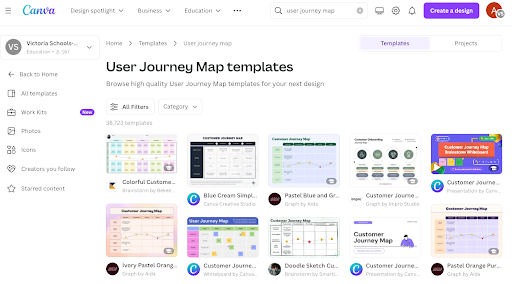
Canva is a very simple design tool with a user-friendly and easy navigation interface and a wide selection of templates. Teams can easily create user journey maps through its customisable templates, and collaborative tools. Canva’s simplicity makes it a great option for beginners in journey mapping or design.

Miro

Miro

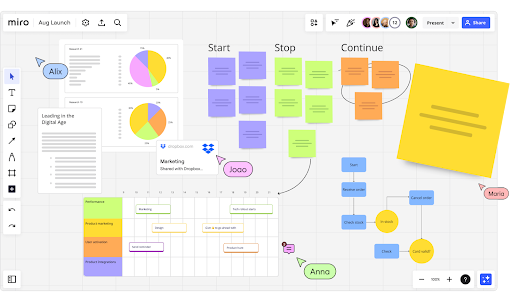
Miro stands out as an online whiteboard platform that encourages teamwork and collaboration for brainstorming purposes. It offers various templates and tools that are designed specifically for mapping user journeys. Teams can collaborate simultaneously on Miro, inserting sticky notes, diagrams, and other visual components to outline the user experience. Its strong collaboration capabilities, like video calls and messaging, are perfect for remote teams wanting to participate in lively, interactive mapping meetings.

UXpressia

UXpressia

UXPressia was designed to create user journey maps, personas, and impact maps. It provides a wide range of functions for UX professionals, such as ready-made templates, compatibility with different data sources, and the capacity to create in-depth reports. UXPressia’s emphasis on user experience design guarantees that the resulting journey maps are informative and practical, positioning it as the top choice for extensive UX projects.

ClickUp

ClickUp

The adaptable workspace provided by ClickUp enables teams to arrange tasks, establish milestones, and display user journeys with other project components. ClickUp’s ability to connect with different applications and its adaptable processes make it a robust resource for teams aiming to oversee intricate projects with a focus on user satisfaction.

Figma

Figma

Figma’s live collaboration feature enables several team members to work together on a journey map at the same time, making it a very useful tool for design teams. The wide range of plugins and integrations available greatly improves its performance, allowing designers to build intricate and visually attractive user journey maps with flexibility.

Design Thinking Training

Trainings are methodical educational process that focus on enhancing particular skills or knowledge in a specific subject or area. In the design thinking context, these trainings enhance individual creative abilities, improve their artistic mindset, and simplify design thinking processes for them.

Design Thinking Training Formats

Design thinking training comes in various formats to cater to diverse learning preferences and organisational needs. Here are some common formats:

1. In-Person Workshops

Just as the term “in-person” implies, participants are required to be present physically at the training programs. In-person workshops are hands-on sessions facilitated by experienced instructors who lead participants through the design thinking process. This layout includes different hands-on activities, group idea-generating sessions, and tasks to encourage direct engagement and teamwork among students, creating an energetic learning atmosphere.

2. Online Courses and Webinars

Through comprehensive pre-prepared modules, live sessions, and interactive tasks, learners can participate in design thinking training online as it provides them with the flexibility to learn while doing other things. This format is ideal for people with busy schedules and other responsibilities since it allows learners to modify their learning speed from anywhere in the world.

3. Hybrid Training Programs

Hybrid training programmes offer a mixed approach to design thinking training by combining online learning with in-person training sessions. By combining the benefits of in-person and virtual learning, this format improves learning opportunities while accommodating different learning styles and preferences.

4. Customized Training Solutions for Organisations

Certain training providers provide specialised design thinking training programmes that are created to fit the unique requirements and goals of businesses. When the training curriculum is company-specific, this type of training is recommended. Employees are encouraged to be creative and problem solvers through the use of customised training, which is designed to meet the specific difficulties and possibilities that each business faces

Choosing the Right Design Thinking Training Program

The decision on which design thinking training format to choose hinges on aspects like learning objectives, financial resources, and practical circumstances, all of which will be discussed below.

  1. The first question to ask oneself before attempting any question is the why  of the training. “Why am I doing this?” Think about what skills you want to improve with design thinking. Do you want to get better at solving problems, coming up with creative ideas, or understanding what people need?
  2. Knowing oneself can be considered the first step to success. You have to consider how you learn best. Do you assimilate easily in class? Or you find it hard to study alone. These answers will determine the format for your training program.
  3. Investigate who is instructing the training programme. Do they have the required expertise and structure? Seek out reviews or consult trustworthy individuals for suggestions.
  4. Cost is very important in choosing a design thinking training programme. You have to be able to afford a program to participate in it. You need to consider if the service provided is worth the financial implications.
  5. Check What Support They Offer. Are there networking and job placement assistance or opportunities in bound?
  6. If you can, try a bit of the training first to see if you like it. This way, you can make sure it’s a good fit before you sign up for the whole thing.

Tips and Resources for Further Learning

  1. Reading is an excellent method to continuously refresh one’s knowledge. Search for books that are simple to comprehend such as “Design Thinking for Dummies” or articles from trustworthy websites.
  2. View online educational videos to observe the process of design thinking. You can discover informative videos on YouTube or platforms such as LinkedIn Learning.
  3. Enroll in online courses on design thinking for a structured learning experience. Platforms such as Udemy provide courses that allow individuals to learn at their own speed.
  4. Participate in virtual communities discussing design thinking. It is within your abilities to converse with people, share ideas, and learn from one another.
  5. Participate in design thinking workshops and events to gain practical experience. Search for local gatherings or virtual seminars where professionals exchange their expertise.
  6. Attempt implementing design thinking in your daily routine to address issues. Begin with minor tasks and gradually progress to larger ones.
  7. Discover resources that support design thinking, such as brainstorming or creating prototypes. You have the option to experiment with these tools using either apps or websites.
  8. Request input from others to evaluate your progress with design thinking. Allocate some time to reflect on your lessons and identify areas for improvement.
Site logo

* Copyright © 2024 Insider Inc. All rights reserved.


Registration on or use of this site constitutes acceptance of our


Terms of services and Privacy Policy.