Home Blog Page 24

Prompt Engineering Books

Prompt engineering, the art of designing effective prompts to enhance Artificial Intelligence (AI) model responses, has quickly become a critical skill in the growing field of AI. While relatively new, there are several insightful books and resources available that can guide aspiring prompt engineers, AI enthusiasts, and professionals alike. Below is a list of some of the best books and resources for anyone looking to master prompt engineering.

  • “Unlocking the Secrets of Prompt Engineering: Master the art of creative language generation to accelerate your journey from novice to pro” by Gilbert Mizrahi

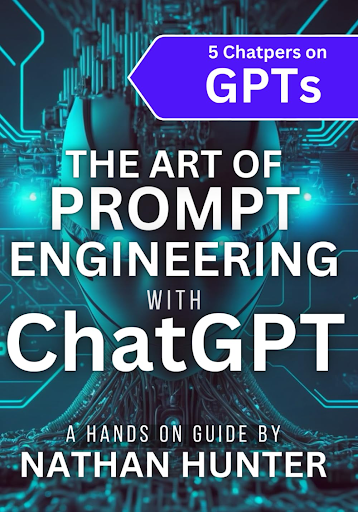
  • “The Art of Prompt Engineering with ChatGPT: A Hands-on Guide (learn AI Tools the Fun Way)!” by Nathan Hunter
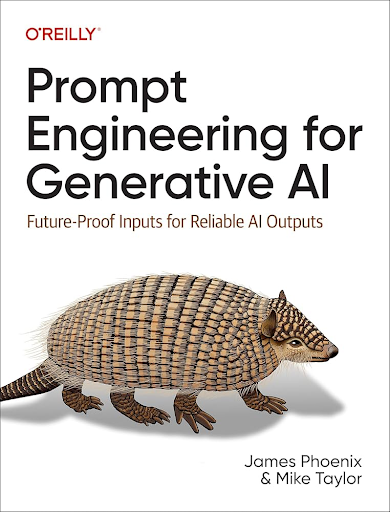
  • “Prompt Engineering for Generative AI: Future-Proof Inputs for Reliable AI Outputs” by James Phoenix, Mike Taylor
  • “Demystifying Prompt Engineering: AI Prompts at Your Fingertips (A Step-By-Step Guide)” by Harish Bhat
  • “Prompt Engineering: The Art of Asking” by Yaswanth Sai Palaghat

“Unlocking the Secrets of Prompt Engineering: Master the art of creative language generation to accelerate your journey from novice to pro” by Gilbert Mizrahi
"Unlocking the Secrets of Prompt Engineering: Master the art of creative language generation to accelerate your journey from novice to pro" by Gilbert Mizrahi

Gilbert Mizrahi’s book is among the first releases that blend the artistic and practical aspects of proactive engineering. It demonstrates AI’s versatility in tasks such as writing narratives and processing information, providing simple strategies for crafting prompts suitable for various activities. This book is an excellent tool for individuals seeking to enhance their abilities and utilize AI more efficiently in various creative and practical applications.

“Unlocking the Secrets of Prompt Engineering: Master the art of creative language generation to accelerate your journey from novice to pro” by Gilbert Mizrahi

“The Art of Prompt Engineering with ChatGPT: A Hands-on Guide (learn AI Tools the Fun Way)!” by Nathan Hunter

“The Art of Prompt Engineering with ChatGPT: A Hands-on Guide” is your easy entry into the world of AI. This book helps you learn how to use ChatGPT, a powerful AI tool, effectively. You will discover how to create prompts that get interesting and helpful responses for things like writing poems or solving problems. It also shows you how to use ChatGPT for real tasks like analyzing data or coding. Perfect for anyone new to AI who wants to learn practical skills!

“Prompt Engineering for Generative AI: Future-Proof Inputs for Reliable AI Outputs” by James Phoenix, Mike Taylor
“Prompt Engineering for Generative AI: Future-Proof Inputs for Reliable AI Outputs” by James Phoenix, Mike Taylor

This book delves into the thrilling realm of  language models (LLMs) and diffusion models. These powerful tools can help with many tasks because they are able to learn from tons of information online. This book gives you a strong understanding of generative AI and teaches you how to use these models effectively. With this book, you will learn how to apply effective prompts, solve problems with the models, and apply gained skills to areas like language processing, image generation, and coding.

“Demystifying Prompt Engineering: AI Prompts at Your Fingertips (A Step-By-Step Guide)” by Harish Bhat

“Demystifying Prompt Engineering: AI Prompts at Your Fingertips (A Step-By-Step Guide)” by Harish Bhat

Demystifying Prompt Engineering is designed for anyone interested in AI, from beginners to enthusiasts. This book helps you create effective prompts for AI by breaking down complex ideas into simple steps. You will learn how prompts influence AI responses and get practical tips for crafting prompts for various tasks, making AI a useful tool in your toolkit. With this guide, AI prompts will become clear and helpful, empowering you—whether you are a professional, student, or just curious—to maximize the potential of AI through smart prompt engineering.

“Prompt Engineering: The Art of Asking” by Yaswanth Sai Palaghat

“Prompt Engineering: The Art of Asking” by Yaswanth Sai Palaghat

This book is a comprehensive guide to mastering prompt engineering for AI models. It starts with the basics of how large language models (LLMs) work, why thoughtful prompts matter, and introduces core design principles like clarity and specificity. You will learn techniques for creating prompts for text generation, creative writing, and coding, as well as visual content creation. The book also covers advanced methods such as iterative refinement, few-shot learning, and collaborative design. On completion, you will have practical tools and resources to refine your prompt engineering skills.

Conclusion

The field of prompt engineering is expanding and exciting, with these books offering a lot of valuable information for those interested in delving into it. Whether you are a beginner or wanting to improve your prompt engineering abilities, these materials will help you navigate the complexities of creating impactful prompts for AI models. With the ongoing advancement of AI technologies, developing prompt engineering skills will be crucial in realizing the complete capabilities of AI across various uses.


Prompt Engineering Job Remote

As Artificial Intelligence (AI) and Natural Language Processing (NLP) continue to transform industries, one job role that has gained increasing attention is prompt engineering. This emerging field focuses on crafting precise inputs or “prompts” that guide AI models like OpenAI’s GPT series to generate desired outputs. What makes this role particularly appealing is its suitability for remote work. With the right skill set and tools, prompt engineers can operate from anywhere in the world, making it an ideal remote job opportunity.

Why is Prompt Engineering a Remote-Friendly Job?

  • Prompt engineering relies entirely on digital tools and platforms, making it inherently adaptable to a remote setup. Professionals can access AI models, datasets, and prompt-testing environments from any internet-connected device, meaning geographical location is not a limitation.
  • Since prompt engineers primarily work with AI systems, their work is often independent of real-time collaboration. This allows for flexible schedules, making it ideal for those who prefer to work at their own pace, across different time zones.
  • Most AI language models and testing platforms are based in the cloud. With remote access to  tools like GPT, and other large language models (LLMs) remotely, prompt engineers can easily generate, edit, and perfect prompts without relying on physical hardware or on-site infrastructure.
  • As AI continues to gain traction in business operations globally, the need for talented and skilled prompt engineers is rising in various sectors including e-commerce, healthcare, customer service, content development, and others. Businesses worldwide are seeking candidates for this position, with a number of them providing remote job opportunities in order to appeal to highly skilled individuals.
  • The remote nature of prompt engineering makes it perfect for freelancers or contractors desiring to work with various clients. Freelancers have the opportunity to work on a range of projects such as developing conversational agents, fine-tuning AI content generators, or improving chatbots, all from the convenience of their own home.

Skills Required for a Remote Prompt Engineering Job

  • Understanding of AI and NLP: A solid grasp of how LLMs work, especially in NLP, is critical. Prompt engineers need to know how to craft inputs that guide AI to produce meaningful outputs.
  • Programming Knowledge: Familiarity with programming languages such as Python can be a huge advantage, especially when integrating prompt designs with AI models or automating tasks.
  • Creativity and Problem Solving: Since prompt engineering often involves trial and error, creativity is key to formulating diverse inputs and solving issues that arise from ambiguous or misleading AI outputs.
  • Communication Skills: For remote positions, prompt engineers must communicate effectively, both with AI models and their teams or clients, to clarify objectives and ensure prompts meet the desired goals.
  • Attention to Detail: Slight changes in phrasing can lead to drastically different AI responses. Therefore, attention to detail is crucial for creating precise and effective prompts.

Benefits of Working as a Remote Prompt Engineer

  • Remote workers have the flexibility to set their own schedule, which enhances their work-life balance. This adaptability is particularly advantageous for individuals with family responsibilities or those who prefer non-traditional work hours
  • Working from home allows access to a worldwide pool of job opportunities. If you possess the necessary skills, you can seek opportunities with companies in various countries, expanding your career options.
  • Remote work reduces travel expenses and enables prompt engineers to reside in cheaper regions without the necessity of moving for employment, resulting in lower living costs.
  • Remote workers typically have greater autonomy in managing their work environment, schedules, and workflows. This independence promotes innovation and improves efficiency in the prompt engineering industry.

Challenges of Remote Prompt Engineering Jobs

  • Working remotely can sometimes lead to feelings of isolation, especially if there is little real-time collaboration. Maintaining a feeling of unity is crucial by utilizing virtual meetings, chats, and team collaborations to stay connected.
  • Remote work necessitates a strong level of self-control and drive. Engineers must possess the ability to efficiently organize their time in order to fulfill project objectives and deadlines independently.
  • As AI and NLP technologies progress quickly, remote prompt engineers must keep themselves informed about the newest tools, models, and techniques, which may require continuous learning and self-improvement.

Conclusion

Prompt engineering offers a promising career path, especially for those seeking remote job opportunities. As more companies integrate AI into their operations, the need for skilled prompt engineers will only continue to grow. With the flexibility of remote work, the global demand for expertise, and the ability to work independently, prompt engineering is quickly becoming a sought-after and rewarding remote profession. Whether you are an AI enthusiast or a professional with a background in NLP, programming, or data science, a career in prompt engineering could be your gateway out of the office grind and into the comfort of sweatpants and coffee-fueled creativity.

Prompt Engineering Degree

Prompt engineering is all about creating the perfect prompt that will yield useful responses from advanced Artificial Intelligence (AI) models, such as GPT-3 and GPT-4. As these AI models get even more powerful, the ability to give simple, concise, and informative prompts will be a valuable skill in the long run. This has also made prompt engineering a field of interest and even degree worthy due to the nuances and intricacies involved. Read along as we shed more light on what a prompt engineering course entails.

What to know about Prompt Engineering

Prompt engineering, the practice of creating effective prompts for language models, is a foundational skill in leveraging these technologies for various applications. It plays a crucial role in tasks such as model fine-tuning, prompt optimization, and evaluating prompt quality, while also addressing ethical concerns. Well-crafted prompts guide language models toward generating more accurate, useful, and unbiased outputs.

Key techniques in prompt engineering include the automatic generation and refinement of prompts and developing metrics to assess their quality. These techniques are vital for improving the interaction between humans and AI, helping to optimize how language models respond to queries.

In essence, prompt engineering is essential for unlocking the full potential of language models. It allows us to build more powerful and efficient AI systems, ensuring responsible and effective use of these technologies across diverse applications. By mastering prompt engineering, developers and researchers can create AI tools that better serve their intended purposes.

What to expect in a Prompt Engineering Degree

Prompt engineering has quickly progressed in recent years as a newer field of study, showcasing the advancements in language models. Obtaining a degree in this area will equip students with the skills needed to utilize these models and participate in the advanced methods that are transforming the field of AI. Students should anticipate exploring advanced subjects like prompt chaining, few-shot and zero-shot learning, prompt injection, and prompt creativity and imagination for specialized tasks. 

Prompt chaining  entails constructing a series of prompts meant to steer models through intricate tasks or produce extended, cohesive texts. Mastering this ability is crucial for building software that involves intricate engagements with artificial intelligence. Additionally, students will be introduced to few-shot and zero-shot learning, showcasing a model’s ability to complete tasks with limited or no prior training data. This adaptability is crucial in practical scenarios, where the accessibility of data may differ greatly. It is important to comprehend prompt injection because it deals with the weaknesses of language models to manipulative inputs, which is essential for guaranteeing the trustworthiness and safety of AI systems.

Throughout the course, participants will take part in hands-on activities that encourage imagination, enabling them to discover unfamiliar areas and customize prompts for individual assignments. By becoming proficient in these advanced methods, graduates will have the tools to fully utilize language models, extending their abilities and facilitating the creation of complex and powerful AI applications. A degree in prompt engineering will not just teach the necessary technical abilities for this thrilling sector but also encourage a mindset focused on innovation and ethical AI utilization.

Educational Path for Prompt Engineering

There is no specific “prompt engineering degree” provided in universities as of yet as the field of study is too recent. Hence, the relevant skills can be fully acquired by following different educational pathways:

Computer Science

Training in the field of computer science provides an excellent foundation for prompt engineering, as it emphasizes strong programming skills, problem-solving abilities, and knowledge of data structures. These core competencies are essential for working effectively with large language models (LLMs) and for creating effective prompts. While a computer science degree may not offer the specialized education found in an AI-focused program, it lays a solid groundwork on which prompt engineering skills can be developed. By engaging in focused studies of natural language processing (NLP) and LLMs, students can build upon this foundation to acquire the specific skills needed in the realm of prompt engineering.

Data Science

This course emphasizes key aspects related to data analysis, machine learning, and NLP, providing a valuable pathway toward prompt engineering. Data scientists develop the skills necessary to comprehend and analyze data, which are crucial tasks in crafting effective prompts. Additionally, a solid understanding of machine learning algorithms and techniques in the realm of NLP equips them for a career as prompt engineers. While not as specialized as an AI degree, a data science degree offers a strong foundation for transitioning into prompt engineering, particularly with a focus on NLP and hands-on experience with LLMs.

Artificial Intelligence (AI)

The study of AI provides a robust foundation for prompt engineering, offering specialized knowledge in machine learning and NLP. These skills are essential for developing effective prompts for LLMs. Furthermore, AI courses typically include research and development experience, which is invaluable for understanding LLMs and creating innovative strategies for prompt formulation. As AI degrees continue to evolve and become more specialized, they still offer a stronger groundwork for studying prompt engineering, particularly for those interested in the underlying technologies and applications specific to AI. This focus enables students to harness their knowledge effectively in the realm of prompt engineering.

Natural Language Processing (NLP)

The field of study that offers the most comprehensive and direct education in prompt engineering is NLP. Generally, an NLP professional learns about specific languages, their nuances, and various tools associated with language technology. With this knowledge, they are equipped to create effective prompts for different languages and domains. A NLP degree opens up numerous opportunities in the industry, ranging from roles as a prompt engineer to positions as an NLP researcher or a language technology developer.

While there are currently no degrees specifically focused on prompt engineering, several educational pathways provide a strong academic background and skill set essential for succeeding in this emerging discipline. As the demand for specialists in this area continues to grow, it is likely that specialized degree programs or certifications in prompt engineering will be developed in the near future.

Prompt Engineering Degree Benefits

  • Graduates would gain profound knowledge of techniques and best practices in prompt engineering.
  • With the rising application of language models in various industries, there is expected to be a high demand for professional prompt engineers.
  • Applications of the techniques of prompt engineering could be extended to marketing, education, and healthcare sectors, among others, meaning graduates could pursue a wide range of careers.
  • Students will be able to contribute to the valuable development of effective ways of prompt engineering and further enhance the capacity and range of applications of language models.

While a degree in prompt engineering may still be few and far between, this is indeed an interesting branch of study with immense potential. As language models become more evolved, so will the need for professionals who are able to harness their power effectively.

Pokemon Api

In today’s digital age, Application Programming Interfaces (APIs) are vital components for cloud computing and modern applications. As the creation and management of APIs have become increasingly valuable skills, let us explore the fascinating world of Pokémon APIs. This article will uncover what Pokémon APIs are, their key features, popular examples, important factors to consider when choosing the right Pokémon API, and the future potential of this evolving technology.

Pokémon API Explained

API refers to the standards through which different software applications communicate with each other. You can imagine it as a link that connects two applications, enabling one application to share data and functionality with another. They are used everywhere, from web applications and mobile applications to similar constructs. They define a standard of information exchange in a way that is straightforward to build interconnected, scalable applications. 

Pokémon API gives developers the ability to access data related to Pokémon using specific programming interfaces, enabling them to engage with the Pokémon world and develop a variety of applications, games, and tools. These APIs allow users to access a diverse array of data, such as in-depth details on particular Pokémon, their types, skills, and actions, among other content. These characteristics frequently include functions like search and filter options, regular updates, and connection with additional services. Some well-known Pokémon APIs are PokéAPI, Pokémon Showdown API, and Pokémon TCG API.

Features of Pokémon APIs

With Pokémon API,

  • You can fetch information on single Pokémon, including their names, types, abilities, stats, and more.
  • You can check the evolutionary paths of Pokémon and the levels or conditions associated with it. 
  • Retrieve move data: You will get a list of moves that Pokémon can learn in games, including type, power, accuracy, and effects.
  • You can see information about items in the Pokémon world, such as what they would have an effect on, how they could be used, and what area they can be found in.
  • You can as well view the variety of regions and locations that exist within the Pokémon World.

Popular Pokémon APIs

PokéAPI 

PokeAPI is a complete web-based API for Pokémon and the Pokémon universe. The API contains basic information about every single Pokémon, including its name, type, abilities, stats, moves, and evolution chain. With the API, you can also pull out items and locations along with many other bits and pieces. It is essentially a resourceful tool for the developers who would want to build an application or service related to Pokémon.

Pokédex.org API

The Pokédex platform lists all Pokémon and their evolution chains. Although there is no public API provided by Pokédex.org, it can fetch data from a local database or another API, and it supports offline use.

Pokémon showdown API

Pokemon showdown is a web-based interface that allows developers to interact with the Pokémon battle simulator. You can simulate battles, view information about battles, access data about Pokémon and moves, or even simulate battles. This is a great resource for any developer who wants to create tools or applications related to Pokémon battling.

Pokémon TCG API

Pokemon TCG is a web API for Pokémon Trading Cards information. It provides detailed information about cards, sets, types, and rules. It is very useful for developers intending to create tools or applications for the Pokémon TCG.

Factors to consider when choosing Pokémon API

When choosing a Pokémon API, here are some factors to consider;

  • It should return extensive data about Pokémon, moves, items, abilities, types, and locations. 
  • Opt for APIs with good documentation that provide straightforward examples and tutorials.
  • Ensure that reasonable usage policies are in place to prevent abuse.
  • See if there is an active community in which you can get support and find further resources.
  • Determine the overall cost and pricing model for the API.
  • Confirm if the API decided upon can serve the intended purpose

By considering these factors seriously, you will be able to select a Pokémon API that serves your needs best and will guarantee ease regarding your development experience.

The Future of Pokémon APIs

Trends point to increased specialization, integrations with other technologies, and enhancements on the feature and data front. Nonetheless, contribution and growth from the community of Pokémon will also be very crucial. With the increased usage and evolution of Pokémon APIs, ethical considerations will increasingly take the forefront. Consequently, developers should address issues relating to data privacy, misuse, and what constitutes responsible use of the Pokémon franchise. Above all, the future happens to be bright in terms of Pokémon API, presenting room for innovation and advanced users.

Artificial Intelligence (AI) Developer

While the world as a whole has been going on and on about Artificial Intelligence (AI), not many people know how they came about. The brains behind this technology is none other than the AI developers. They design and develop intelligent systems and applications that shape the future in science and technology. In this post, we will explore their roles, the required skills, and the career path for an AI developer.

Role of an AI Developer

An AI developer is a computer scientist specialized in intelligent system development. They implement techniques like machine learning and deep learning in order to build software that can learn, and perform tasks that generally demand human intelligence. They also design algorithms, prepare data, train the models, and evaluate their performances. AI developers deal with projects that range from autonomous constructs to virtual assistants. Further developments in AI technology is reliant on their expertise and knowledge in research and development, emphasizing their significance in the world today.

Required Skill for an AI Developer

AI is inherently a complex concept, and developing and maintaining AI systems requires more than just average skills. The stakes with AI are exponentially higher. An AI developer must possess a wide range of skills, including programming, machine learning fundamentals, data analysis, mathematics, and ethics, among others. These skills are essential, as multiple concepts must be integrated before true intelligence can be created.

Programming Languages 

Programming languages are indispensable tools for AI developers. Python and R are popular due to their simplicity and extensive libraries. Java and C++ are preferred for large-scale applications and computationally intensive tasks. Scala and Julia, developed with scientific computing and machine learning in mind, have also gained traction. The choice of programming language often depends on the specific project and the industry. These are some of the languages an AI developer must know to design and implement AI systems.

Machine Learning (ML)

Machine learning (ML) is another indispensable tool used to train algorithms to learn from data which makes them capable of making predictions from data. It is important for an AI developer to be aware of several ML algorithms, ranging from supervised and unsupervised to reinforcement learning. Popular ML frameworks like TensorFlow and PyTorch provide an efficient way to implement such algorithms. With ML, an AI developer is guaranteed the ability to build a variety of innovative and powerful AI systems.

Deep Learning (DL)

Deep learning (DL) is a sub-specialty in machine learning that belongs to the family of artificial neural networks used in learning complicated patterns in data. Any AI developer looking to specialize in deep learning should have knowledge in the architecture of neural networks, activation functions, and back propagation algorithms. Popular deep learning frameworks have handy tools for building and efficient training of these models. In this regard, mastering deep learning allows AI developers to make systems with incredible accuracy and innovation.

Natural Language Processing (NLP)

With Natural Language Processing (NLP), an AI developer can make systems that can understand and speak the language of humans. Applications ranging from chatbots through machine translations down to sentiment analysis have been created by employing techniques under this category. An AI developer that works with NLP needs to understand tokenization, part-of-speech tagging, named entity recognition, syntax parsing, and semantic analysis. Mastering those techniques would allow them to create systems that could communicate and interact with humans more naturally.

Computer Vision

This is the capability of AI to empower computers with the vision of visual information, from the limiting of images to autonomous vehicles. Indeed, a computer vision developer must understand how to pre-process images, feature extraction, machine learning algorithms, and deep learning frameworks. Mastering these techniques would allow AI developers to come up with systems that perceive the visual world much like humans, with a spectrum of opportunities in healthcare, transport systems, and more.

Data Science

AI developers need to have expertise in gathering, refining, and analyzing data to maintain the precision of their models. Strong data analysis skills are also required to discover patterns, trends, and insights that help in the development of AI. AI developers, with proficiency in data science, can manage big datasets, conduct predictive analytics, and adjust machine learning algorithms effectively. Proficiency in data science allows AI developers to build AI solutions that are more effective, precise, and scalable, resulting in significant real-world effects.

Problem-solving

This is essential for any AI developer, as AI is designed to tackle highly complex challenges. To address these problems, an AI developer must first break them down, develop effective solutions, implement them, and continuously refine to meet with the constant changes within the AI field. Strong problem-solving skills enable developers to carry out their tasks effectively and contribute to the advancement of AI technology.

Creativity 

While AI systems are often associated with logic and rationality, creativity is a crucial skill that every AI developer should possess. A creative AI developer can think outside the box, generate new ideas, design intuitive user experiences, and find solutions to problems that may otherwise seem unsolvable. Creativity helps AI developers stand out, drive innovation, and create new opportunities. By combining creative and technical skills, AI developers are able to build truly innovative and impactful AI systems.

Careers for AI Developers

Great opportunities await professionals in the rapidly growing AI landscape. AI developers, due to their capabilities can function almost anywhere in the sector. They can function as an AI data analyst, AI software engineer, AI consultant, AI research scientist, and Machine learning engineer, among others.

AI’s future looks bright. The incorporation of Internet of Things (IoT) will allow for the development of smart systems, and its use in healthcare and sustainability will tackle important global issues. In addition, scientists are examining the creative abilities of AI, including advancements in art, music, and writing. Once a breakthrough is made, AI is poised to further revolutionize various communities, and the way we engage with the environment.

Warren Buffet Artificial Intelligence (AI) 

Warren Buffett is a renowned American investor and philanthropist. While working as a chief executive officer and chairman in Berkshire Hathaway, he was particularly popular since it was a conglomerate with wide business interests. Sometimes, Buffett is referred to as the “Oracle of Omaha” due to the wide-ranging investment philosophies that he possesses and ability to identify undervalued companies. His approach, value investing, involves buying stocks of companies trading below their intrinsic value. Despite his immense wealth, Buffett remains frugal and is dedicated to philanthropy.

Buffett’s Perception About AI

Warren Buffett, one of the most successful investors and philanthropists across the world, has been very practical about the prospects of AI. Even though he lends credence to the revolutionary potential of AI across a wide swathe of industries, he shared his misapprehensions regarding its ethical basis. He believes that, much like the internet, AI is going to bring great change in livelihoods and patterns of work in the years to come. He conveyed that its development is being carried out with limited knowledge about the risks and challenges associated with AI.

“I think it’s something I don’t understand at all,” he told CNBC in an interview back in April 2023.

Buffett added that his friend, Microsoft founder Bill Gates, showed him ChatGPT and was simply flabbergasted by what it can do.

“It incorporates every book, every legal opinion – the amount of time it could save you if you were doing all kinds of things is unbelievable,” Buffett said. “I don’t really understand it-I think it is an incredible technological advance in terms of showing what we can do, but I don’t know whether we know what happens.” 

He went on to joke that he “hopes somebody unplugs it,” if the AI is to destroy humanity.

Former Google Chief Executive Eric Schmidt has also warned about existential risks from AI, a concern Buffett took notice of.

“If it scares him, it scares me,” Buffett said.

In terms of investing, Warren Buffett emphasizes staying focused on the core aspects of businesses and avoiding speculative pursuits, even with the rise of AI. He advises investors to be conservative and to avoid investing in companies that are simply riding the AI hype without a solid business model. While Buffett acknowledges the potential of AI, he remains cautious about its challenges and risks. His balanced perspective encourages investors to approach AI-related investments with caution and to concentrate on the underlying value of businesses.

Investments in AI by Berkshire Hathaway

Berkshire Hathaway Inc. is an investment conglomerate led by Warren Buffett, and it has relatively scant direct exposure to AI. Berkshire indirectly derived significant advantages from AI, mainly from its top technology company holdings such as Apple and Amazon. Buffett’s investment strategy is based on comprehending the basics and future potential of companies. Although he is hopeful about the possibilities of AI, he is careful not to make investment decisions solely on AI excitement. As AI technology advances, Berkshire Hathaway may think about making direct investments in companies focused on AI. Investing in this way would be in line with Buffett’s thorough research methods and focus on creating lasting value.

The Future of AI and Berkshire Hathaway

With the continuous advancement of AI, various industries and companies are expected to undergo significant transformation in their operations. Berkshire Hathaway has previously put money into companies implementing AI to foster innovation and expansion. These investments have the potential to bring substantial profits to Berkshire Hathaway’s investors as these companies prosper.

With the potential for AI to significantly impact entire industries, Berkshire Hathaway’s investment strategy will have to adjust. This could mean looking into new investment chances in AI-related industries or distancing from businesses that may be impacted by AI progress. Berkshire Hathaway’s success will depend on remaining adaptable and discovering methods to generate enduring value in a constantly changing technological environment.

Conclusion

The significance of Warren Buffett’s morals in business, focus on long-term goals, and investment strategies are relevant to the progress of AI. His focus on grasping the basics and steering clear of risky investments corresponds effectively with the values of ethical AI advancement. As AI progresses, companies and investors need to adjust to fresh opportunities and obstacles. By grounding their approaches in values, morals, and flexibility, businesses can leverage the capabilities of AI without falling into traps. This method guarantees that AI advantages impact not just businesses but also the entire society.

There is a bright future ahead for AI investment, with growth and change in store. As AI technologies progress, they will have a major effect on different industries and generate fresh investment prospects. Considerations of ethics, regulations, and competition on a global scale will influence the direction ahead. Investors who manage these factors well and recognize strong AI investments are ready for success in the long run.

Artificial Intelligence (AI) App

Artificial Intelligence (AI) apps are already transforming the way we live, work, and play. Particularly with common apps like google assistant, chatGPT, Gemini and many more. From making our daily tasks easier to bringing new advances in various sectors, these apps are changing the game. In this article, we will take a closer look at some of the popular AI applications that are making a difference today and future trends.

Popular Artificial Intelligence (AI) Applications

Chatbots

Chatbots

Chatbots are computer programs designed to engage in human-like conversations with users. They have the ability to communicate in languages like English and are utilized in different fields such as customer service, education, and entertainment. There are two main types of chatbots namely rule-based and machine learning chatbots. Rule-based chatbots follow set rules, while machine learning chatbots improve by studying conversations. With the advancement of chatbots, they are being used in various fields like customer service and social media, responding to inquiries, and producing creative content.

Gemini

Gemini

Gemini is a powerful AI chatbot developed by Google that can be integrated into various applications. The Gemini model offers 24/7 support through personalized assistance and problem-solving. It can act as a virtual tutor, aiding in language learning at one’s own pace and providing personalized feedback. Additionally, Gemini can assist with writing, creative brainstorming, and content creation. It is also capable of task management, information gathering, and time management. Gemini can enhance gaming experiences, create personalized stories, and interact with content in innovative ways. In summary, Gemini is a versatile tool with a wide range of applications.

Google Assistant

Google Assistant

Google assistant is a powerful virtual assistant developed by Google. It responds to voice commands and helps you with a wide range of tasks, from answering questions and setting reminders to controlling your smart home devices. Google Assistant offers features ranging from simple data and task management to controlling entertainment and home environments. As it learns and adapts over time, it becomes increasingly helpful, making it a valuable tool for many users.

ChatGpt

ChatGpt

ChatGPT is an advanced language model developed by OpenAI. It is designed to converse and generate high-quality text at a human level. Whether you need help with essay writing, document translation, or simply want to have a chat, ChatGPT is capable of assisting. Its applications range from creative writing to providing knowledgeable answers to your questions, showcasing a broad array of possibilities. The name reflects its capabilities, and even in development, ChatGPT shows great potential as a versatile language tool. Its engaging output comes in various styles and formats, making it highly useful for a wide range of tasks.

FaceApp

FaceApp

FaceApp is a trending mobile application that allows you to modify your appearance in photos. With various filters, you can change aspects like age, gender, hair color, and makeup. While it can be fun to experiment with different looks using this app, it is important to be mindful of its impact on unrealistic beauty standards.

Advantages of AI Applications

  • AI applications increase efficiency by automating repetitive tasks, analyzing data for quicker decision-making, optimizing resources, enhancing customer service with AI bots, and increasing productivity through predictive maintenance and process optimization. Businesses gain advantages from improved efficiency, lowered expenses, and a boost in competitiveness.
  • AI technology allows for the examination of vast amounts of data in order to recognize patterns and trends, ultimately forecasting future results. This may assist in reducing bias and maximizing resource allocation, simplifying data-driven decision-making and enhancing effectiveness.
  • They enhance customer satisfaction and strengthen relationships by tailoring content, recommendations, and interfaces based on analyzing user data to provide hyper-personalized experiences.
  • Moreover, AI applications stimulate creativity by creating innovative products, solving intricate issues, enhancing productivity, and upholding a competitive edge.

Challenges Of AI App

Ethical Issues

One of the primary obstacles in developing AI applications is dealing with ethical concerns such as privacy and data security risks, transparency and explainability issues, job displacement, and the consequences of autonomous weapons. Navigating these ethical challenges requires collaboration between AI developers, policymakers, ethicists, and society to ensure that the benefits of AI are realized while minimizing potential harm. As technology advances, it is crucial to balance innovation with ethical considerations to ensure that AI serves humanity responsibly and ethically.

Bias

One of the major challenges in AI app development is addressing unfair and discriminatory outcomes that can harm people. AI models that are trained on datasets containing biases can absorb and perpetuate those biases. Biased data, algorithmic bias, and confirmation bias are all common sources of bias. In order to address these problems, it is crucial to take a comprehensive approach that includes detecting bias, promoting diverse data, ensuring fair algorithms, and incorporating human judgment. By focusing on these aspects, AI applications can be designed and utilized in a way that upholds values of equality and justice, guaranteeing they benefit society as a whole.

Cost

Developing AI applications presents a significant hurdle in terms of cost. Costs involve obtaining and organizing data, purchasing hardware and infrastructure, development, and continuous maintenance. In order to deal with these obstacles, companies can take advantage of open-source frameworks, make use of cloud computing, and investigate different data sources. Furthermore, they need to prioritize making sure their AI programs generate value in terms of ROI.

Future Trends in AI Apps

AI apps are expected to become more seamlessly integrated with other applications and systems, offering enhanced functionality and value. By connecting through APIs, platforms, and devices, AI applications will become more powerful and accessible, accelerating innovation and opening new frontiers across industries. Advances in NLP models will further refine their understanding of human language, improve text generation, handle multiple languages, and integrate into real-time applications, leading to increased intelligence, interactivity, and capability to meet diverse user needs.

AI will also address social issues, innovate healthcare, personalize education, and offer sustainable solutions for development. Emphasizing ethical AI will ensure that future advancements benefit society and contribute to a fairer, more equitable world.

As AI technology continues to evolve, the potential for groundbreaking and impactful AI applications is immense, promising significant changes in productivity, health, and wellness.

How to Become an Artificial Intelligence (AI) Engineer 

The rapid advancement of Artificial Intelligence (AI) has placed AI engineers among the most in-demand professionals worldwide. With AI transforming industries, from revolutionizing business operations to enhancing disease diagnosis, the opportunities in this field are vast. If you have a technical background and a passion for software development, a career in AI not only promises innovation and growth but also the chance to be at the forefront of shaping the future.

What is AI Engineering?

AI Engineering combines disciplines of computer science, mathematics, and engineering to design intelligent systems that would be able to learn, reason, and make data based decisions upon their full development. 

Role of AI Engineer

AI engineers are responsible for developing and implementing intelligent systems that enable machines to learn, make inferences, and make decisions. Their work involves designing and improving algorithms, collecting, cleaning, and preparing data for AI models, training and testing those models, and integrating them into existing software applications. Problem-solving is a key part of their role, as they need to identify complex issues in AI development and find solutions. 

Staying updated on the latest advances in AI and conducting research to develop new techniques and applications is essential. Ethics also play a significant role in AI engineering, as AI engineers must ensure systems are developed and used responsibly, addressing concerns related to bias, fairness, and privacy.

AI engineers can work in academic institutions, technology corporations, and government agencies, and may choose to specialize in areas like machine learning, natural language processing, or computer vision.

How to become an AI engineer

It takes a degree of education, technical skills, and practical experience to become an AI engineer. The whole process basically goes this way: 

Laying a Strong Foundation of Computer Science and Mathematics

A solid understanding of computer science and mathematics forms the foundational building blocks for an AI engineer. Computer science provides essential programming skills and software engineering principles for developing AI systems, while mathematics enables the comprehension of data, prediction-making, and problem-solving. Building a strong foundation in these disciplines equips AI engineers with the knowledge needed to grasp AI concepts such as abstraction, algorithm development, data analysis, and problem-solving, forming the intellectual toolkit for success in the fast-evolving world of AI.

AI Specialization

Specializing in AI provides significant expertise in advanced techniques within the field, along with opportunities for research and networking. When selecting a specialty, it is important to consider your interests, career goals, market demand, and the reputation of the program. This specialization not only enhances your skills but also offers a competitive edge and opens doors to new job opportunities.

Hard-skill Development

Becoming a skillful AI engineer requires a range of technical skills: proficiency in programming languages, familiarity with AI-specific frameworks and libraries, knowledge of data science tools, cloud platforms, version control, and expertise in deep learning, natural language processing (NLP), and computer vision. These skills enable you to tackle challenges in AI engineering and contribute to the development of innovative AI solutions.

Practical Experience

The key to becoming a bonafide AI engineer is gaining practical experience. You can acquire this through personal projects, Kaggle competitions, contributions to open-source projects, internships, and online courses. Engaging in these activities will help you deepen your understanding, enhance your skills, and build your portfolio. This hands-on experience, combined with theoretical knowledge, will make you a strong candidate for a career in AI engineering.

Stay Updated

AI is a rapidly evolving field, making it essential to stay updated on the latest trends and developments. To keep up, follow AI news, attend conferences, join online communities, take courses, or contribute to open-source projects. Acquiring new information and engaging with the AI community are key ways to stay relevant in this fast-growing industry.

Certification

While certifications are not practical skills, they can demonstrate your skill level and enhance your career prospects. Popular certifications include Certified AI Engineer, Certified Machine Learning Engineer, and Certified Data Scientist, often offered by recognized vendors. These certifications help validate your skills, promote career advancement, and provide networking opportunities. However, they should complement your practical experience and technical abilities. Prioritize building a solid foundation in AI and continually expanding your knowledge to ensure long-term success in the field.

The path to becoming an AI engineer varies depending on individual goals, but a strong base in computer science, coupled with AI expertise and hands-on experience, will significantly boost your chances of success.

Importance of AI in Engineering

Engineers across various fields are increasingly harnessing the power of AI to enhance their work and drive innovation. AI serves as a crucial tool, improving human capabilities and automating tasks, leading to significant advancements. Here are some key areas where AI has made a substantial impact:

  • AI can generate optimized and innovative designs that may be challenging or impossible for the human mind to conceive.
  • AI enables the extraction of valuable insights from large datasets, aiding engineers in making informed decisions and predicting future outcomes.
  • AI automates repetitive tasks and refines processes, allowing engineers to focus on more complex and strategic activities.
  • AI can simulate real-world scenarios and manage complex models, enabling engineers to test and refine designs without the need for physical prototypes.
  • By analyzing data and considering multiple factors, AI provides expert recommendations, assisting engineers in making well-informed decisions.

Conclusion

The future of AI is promising, marked by increasing specialization, advances in explainable AI, ethical considerations, hardware improvements, human-AI collaboration, and global competition. The key to a beneficial future lies in addressing these factors effectively. Ethical AI involves engineering and deploying AI systems in ways that avoid harm, build trust, promote fairness, and respect human rights. By integrating ethics into AI development, we can create a future where AI benefits everyone.

Currently, the demand for AI engineers is exceptionally high due to the rapid evolution of AI technologies and their extensive applications across various industries. As AI systems become more advanced and capable of automating complex tasks, the need for skilled AI engineers to design and implement efficient solutions will only grow. The emphasis on ethical AI will also drive demand for engineers who can develop solutions that are fair, unbiased, and transparent. Overall, the career prospects for AI engineers are excellent, with significant opportunities for growth and development.

Prompt Engineering 101

Prompt engineering is a subfield within Artificial Intelligence (AI) focused on creating effective prompts that guide large language models (LLMs) to generate relevant and accurate outputs. It involves designing clear, concise, and well-structured prompts to influence the model’s responses. Effective prompting ensures high-quality content suitable for various applications, such as content creation, summarization, translation, and question answering. By understanding prompt design principles, including clarity, specificity, and bias mitigation, prompt engineers can enhance the relevance and informativeness of the model’s outputs.

Common Prompt Engineering Techniques 

Prompt engineering techniques encompass a range of strategies employed to guide AI language models in generating desired outputs. Among these, “zero-shot prompting” stands out as a method where a single prompt or instruction is provided to the model without any additional training examples. For instance, if one were to request a language translation without specifying prior examples, the model would rely solely on the provided prompt to generate the desired output… Continue Reading

Practical Tips for Prompt Engineering

Be clear with your intentions

Prompt engineering is about giving specific instructions to the AI model using “prompts”. In order to get an appropriate and relevant answer from the model, avoid vague language and give plenty of context. Instead of something quite broad like “Write a story,” narrow it down by mentioning the genre, the setting, and who is involved. This will help the AI understand your purpose and return more targeted results.

Include Context

Providing relevant context is crucial in prompt engineering, as it enables AI to generate accurate and informative responses. It helps the AI understand the specific situation, topic, or goal you are referring to, reducing ambiguity in your questions. For example, instead of simply asking, “Tell me about the French Revolution,” you could specify how it was influenced by Enlightenment ideas, thereby offering additional context to narrow the response and make it more focused and relevant.

Experiment and Iteration 

Prompt engineering requires patience. Sometimes, you need to refine the prompt in another way, paraphrase and break it down. In this way, you will be able to improve the quality and relevance of the AI responses through an iterative process of testing and adjusting. Specific examples include a very general prompt such as “Write an essay,” but then add specific information to limit it, such as “about a robot who dreams of being a chef.”.

Describe your objective

In prompt engineering, you must have an idea about what you want. It is better to define, beforehand, what you want to achieve in order to make your responses precise. For instance, instead of asking “Write something interesting”, state a more particular objective like “Write an argumentative text on solar renewable energy.” This helps the AI reach the right direction of the wanted outcome.

Conclusion

Continuous learning is vital in prompt engineering due to the rapid advancement of AI models and techniques. Staying updated with the latest trends helps prompt engineers effectively utilize new and improved models. This involves understanding various models, their strengths and weaknesses, and crafting prompts to maximize their potential. Continuous learning fosters experimentation and iteration, essential for refining prompts and achieving desired outcomes.

The future of prompt engineering looks promising. As AI models expand, guiding and tuning them for specific industries like healthcare and education will become increasingly important. Prompt engineering will also enhance collaboration between humans and AI, ensure ethical AI development, and create personalized prompts that improve user experiences. Overall, prompt engineering holds significant potential to shape the future of AI.

How to Learn Prompt Engineering

While it is still an emerging concept, the importance of prompt engineering can not be overemphasized for the crucial role it plays in optimizing Artificial Intelligence (AI) outputs. In this article, we will explore how you can begin your journey with it.

Who is a Prompt Engineer

The role of a prompt engineer is crucial for effective human-AI interaction. They craft clear, concise, and instructive prompts that guide AI models toward specific outcomes. This involves understanding the capabilities and limitations of various AI models, continuously refining prompts, and staying updated on the latest advancements in AI and natural language processing (NLP). In essence, prompt engineers bridge the gap between human language and AI, translating human intentions into inputs that the AI model can interpret and respond to effectively. Visit here to learn more about prompt engineering roles and their salaries

How to Learn Prompt Engineering 

Step 1: Laying the Basics – Strong Foundation in NLP

Proficiency in natural language processing (NLP) is crucial for successful prompt development. Important NLP concepts like tokenization, part-of-speech tagging, and semantic analysis play a vital role in creating accurate and appropriate prompts. Familiarity with machine learning algorithms, deep learning models, and NLP tools can better help steer AI models towards preferred results. Applying NLP principles improves contextual understanding, clarity, and specificity in prompts, increasing the likelihood of generating relevant responses from AI models. Strong NLP knowledge equips prompt engineers with the competencies needed for professional success in the field.

Step 2: Master the Basics of LLMs

Large Language Models (LLMs) are advanced AI systems capable of generating human-like text. In order to fully utilize their capabilities, it is important to grasp the basics of how they function. This encompasses understanding their structure, the kind and caliber of data utilized during training, and their advantages and constraints. Moreover, fine-tuning enables the personalization of LLMs for particular tasks or fields. Mastering these basics enables better intuition for interacting with LLMs and crafting prompts that elicit more accurate and relevant responses.

Step 3: Engage in Prompt Engineering Techniques

Prompt engineering involves mastering various techniques to craft clear and specific prompts. It requires framing prompts to focus attention on the task, providing relevant context, and exploring common patterns in prompt design. A key part of the process is experimentation and iterative refinement. This involves testing different prompts, analyzing the results, and identifying what works best. Through this iterative testing, you can determine which prompts are most effective for specific AI models and applications, allowing for more precise and relevant outcomes.

Step 4: Improvement in Creativity and Analytical Skills

Creative and analytical skills are essential for effective prompt engineering. Creativity helps in framing imaginative and thought-provoking prompts that generate unique, insightful AI content. To enhance creativity, you should experiment with different prompt phrasings, embrace ambiguity, and think beyond conventional approaches. On the analytical side, breaking down complex problems into smaller components, considering multiple perspectives, and consistently refining your prompts are key strategies. By combining both creativity and analytical thinking, you can become a versatile and effective prompt engineer, capable of generating high-quality results from AI models.

Step 5: Practice

This is a skill that can only be mastered through practice—experimenting with different prompts and observing what works and what does not. Hands-on experience is key: explore various AI platforms, engage with online communities, and start personal projects or collaborate with others. The intuition and expertise needed to be a successful prompt engineer are developed over time through continual experimentation and application.

Step 6: Create a Portfolio

Creating a portfolio is a great way to display your abilities and background in prompt engineering. It showcases your skills to potential employers or clients and also acts as a documentation of your development and advancement. When creating a portfolio, highlight your achievements, emphasize important skills, display relevant projects, and seek feedback to refine your presentation.  By following these steps, you can develop an impressive portfolio that highlights your prompt engineering expertise and opens doors to exciting opportunities in the field.

Step 7: Stay Up-to-Date with New Trends

Staying up-to-date with the latest trends in prompt engineering is essential for maintaining a competitive edge. Keep informed by following industry news, attending conferences, joining online communities, and experimenting with new techniques. Staying current allows you to craft innovative and effective prompts, keeping your skills relevant in the evolving AI landscape.

By consistently practicing and applying these steps, you will gain the necessary skills and knowledge to become a proficient prompt engineer. Remember, prompt engineering is a dynamic process, and it will continue to evolve as new methods and best practices emerge alongside advancements in LLMs.

Importance of Prompt Engineering

The advancement of sophisticated AI technologies, particularly in natural language processing and generative AI, has highlighted the growing importance of prompt engineering. Although relatively new, prompt engineering is quickly becoming indispensable for various reasons.

  • Prompt engineering boosts the efficiency and accuracy of AI systems for companies and other entities.
  • Helps ensure AI outputs are unbiased, fair, and respectful of societal norms and values.
  • Allows developers to study how different prompts impact AI responses, offering insights into model behavior and areas for improvement.
  • Contributes to the development of new methodologies and approaches, extending AI capabilities.
  • Effective prompts minimize ambiguity, resulting in more accurate and valuable AI outputs.
Site logo

* Copyright © 2024 Insider Inc. All rights reserved.


Registration on or use of this site constitutes acceptance of our


Terms of services and Privacy Policy.