Home Blog Page 13

Blockchain and Web 3.0 Compared: What You Need to Know

0

You have probably heard a lot about blockchain and Web 3.0 (Web3) lately, especially if you are interested in cryptocurrency, tech, or how the internet is changing. These two terms are related, but they do not mean the same thing. Let us break it down in simple terms.

What is Blockchain?

Blockchain functions as a decentralized distributed database, where information is kept on numerous computers, making it secure against alterations. Transactions are verified using a consensus process, ensuring uniformity throughout the network.

In blockchain technology, transactions are compiled into blocks that are subsequently connected, creating a secure and transparent chain. This framework ensures data integrity and offers a secure record, making blockchain perfect for uses such as cryptocurrencies and supply chain management.

The primary advantage of blockchain is its capacity to ensure security, transparency, and trust without depending on conventional intermediaries like banks or other third parties. It is the technology behind Bitcoin, Ethereum, and other cryptocurrencies, but it is also being used in other areas like voting, supply chains, and healthcare.

What is Web 3.0 (Web3)

Now, let us talk about Web 3.0, also called Web3. This is the next big version of the internet.

  • Web 1.0 was mostly read-only websites (like old news pages).
  • Web 2.0 gave us social media, apps, and interaction — but big companies like Google, Facebook, and Amazon have control over our data.
  • Web 3.0 wants to fix that by giving control back to users, not corporations.

Web3 uses blockchain to make websites and apps decentralized. That means no single company owns the platform, people do. You might use Web3 for things like decentralized social media, earning crypto tokens, or using apps where you own your own data.

So What is the Difference?

FeatureBlockchainWeb 3.0
What it isA technology for decentralized, immutable ledgersA vision for a decentralized internet using blockchain
FunctionTo store and verify data securelyTo make the internet more open and user-owned
ScopeTechnology LayerApplication and user interaction laye
Use CasesCryptocurrencies, supply chains, smart contractsDecentralized apps (dApps), NFTs, DAOs
User ControlLimited to transaction verificationEmphasizes user ownership and data control

Essentially, blockchain is the tool, and Web3 is what we are trying to build with it; a better internet.

Why It Matters

Understanding the difference is important because Web3 is built on top of blockchain, but it goes much further. It is about changing how we use the internet, how we protect our data, and how we interact online.

Web3 could mean:

  • No more logging into 10 different accounts.
  • Earning rewards for your online contributions.
  • Owning your data instead of giving it away for free.

Final Thoughts

Blockchain is the engine. Web3 is the car.
You need both but they do different things.

As more people, developers, and companies build on these technologies, we are likely to see big changes in how we shop, play games, invest, and even vote online.

So next time someone says “blockchain” or “Web3,” you will know exactly what they are talking about and how they fit together.


Web 3.0 Careers: Skills You Need to Work in the Decentralized Web

0

Technical Skills You Need for Web 3.0 Careers

Understanding Blockchain Technology

Blockchain is the foundation of Web 3.0. You do not need to be an expert right away, but you should understand what a blockchain is, how transactions are verified, and what terms like “decentralization” and “consensus mechanisms” mean.

Think of it like learning how the internet works before becoming a web developer, it gives you context for everything else.

Smart Contract Development

Smart contracts are self-executing programs on the blockchain. They are what power decentralized applications (dApps). Learning languages like Solidity (used on Ethereum) or Rust (used on Solana) can help you become a Web3 developer or blockchain engineer.Courses on platforms like Coursera and Alchemy are beginner-friendly starting points.

Using Web3 Libraries

If you want to build front-end apps that talk to a blockchain, you will need to know libraries like Web3.js, Ethers.js, or wagmi. These let you integrate wallets, transactions, and data from the blockchain into real websites.

Security and Cryptography Basics

Because Web 3.0 deals with digital money, identity, and ownership, security is critical. Understanding how encryption, hashing, and private keys work can help you build or audit secure applications or just protect your own data and assets.

Decentralized Storage and Tools

Web 3.0 is not just about blockchain. Knowing how tools like IPFS (for decentralized file storage), MetaMask (wallets), and DAOs (decentralized communities) work gives you an edge in almost every role.

Soft Skills Matter Too (A Lot)

Clear Communication

Web 3.0 is full of jargon. Being able to explain complex ideas in simple language whether you are talking to users, teammates, or investors is a superpower. This is crucial if you are a community manager, product lead, or content creator.

Curiosity and Continuous Learning

The space moves fast. What is popular today might be outdated in six months. Web 3.0 professionals thrive by staying curious, asking questions, and constantly learning from courses, Discord chats, and community blogs.

Collaboration in Remote Teams

Most Web3 projects are built by remote teams across multiple time zones. Knowing how to communicate asynchronously using tools like Discord, Notion, Trello, or Slack will help you work efficiently and avoid miscommunication.

Problem-Solving and Adaptability

Because Web3 is still developing, problems and bugs happen often. Whether it is a smart contract error or a confusing UI, being resourceful and solution-focused will set you apart.

Bonus: Business and Strategic Thinking

Not every Web 3.0 career is technical. If you are coming from marketing, law, design, or finance, your skills are still valuable, especially when you pair them with Web3 knowledge.

Examples:

  • Legal experts are needed for crypto compliance.
  • Designers help make dApps more user-friendly.
  • Writers and educators create content that demystifies blockchain.
  • Product managers guide development across teams.

How to Start Your Web 3.0 Career

Here is a simple roadmap:

Learn the Basics

  • Use free or low-cost platforms like Buildspace, Alchemy University, or Web3 University.
  • Follow thought leaders on Twitter/X and YouTube.

Join the Community

  • Participate in DAOs, Discords, or hackathons. It is a great way to build your network and learn by doing.

Start small by contributing to open-source Web3 projects on GitHub.

Build a Portfolio

  • Create a smart contract, a dApp, or even a blog post explaining Web3 topics in simple terms.

Showcase what you are learning publicly—on GitHub, LinkedIn, or a personal website.

Apply for Internships or Entry-Level Roles

Look for “Web3 internships,” “DAO contributor roles,” or even community management gigs in the blockchain space.

Real-World Roles in Web 3.0

Here are a few actual job titles trending in the Web3 space today:

  • Smart Contract Developer
  • Web3 Front-End Engineer
  • Crypto Product Manager
  • DAO Community Manager
  • Web3 Content Creator
  • Blockchain Security Analyst
  • NFT Project Strategist
  • Tokenomics Consultant

And more are emerging every month.

Web 3.0 is more than just the next version of the internet, it is a movement toward giving people more control over their data, identity, and assets. And it is opening doors to new kinds of roles across tech, business, and creativity.

Whether you are already in tech or starting fresh, building the right skills now can help you land a career in one of the most exciting, fast-growing fields in the world.

How Systems Thinking is Evolving Design Thinking for Complex Problem Solving

Have you ever tried to fix something, only to realize the real problem was something else entirely? Maybe you patched a leak in the roof, only to find water coming in through the walls a week later. That is kind of how life works—it is all connected. And that is why more and more designers and problem-solvers are turning to a new concept called systems thinking.

What is systems thinking?

Systems thinking is about stepping back and looking at the big picture. Instead of focusing on one small part of a problem, it helps you understand how everything fits together. 

Don Norman, one of the most influential voices in human-centered design, once said, “You have to look at everything as a system and you have to make sure you’re getting at the underlying root causes.” That insight strikes at the heart of what systems thinking is all about. It urges designers, innovators, and leaders to look past the obvious—to dig deeper than the symptoms and uncover the true source of a problem.

It is like zooming out with a camera, you stop looking at just one tree and start seeing the whole forest.

For example, let us say we want to fix traffic in a city. You could just build another road. But systems thinking would ask: Why is there traffic in the first place? Maybe the buses are unreliable. Maybe people can not afford other forms of transportation. Maybe schools and jobs are too far away. Once you see how all these things are linked, you can come up with smarter, longer-lasting solutions.

Why does it matter in design?

Design used to be mostly about making things look good or work well for one user. Now, things are more complex. Our world is connected in ways we can not always see: through technology, climate, money, culture, and people’s needs. So, designers need to think about more than just what ist in front of them.

With systems thinking, a designer does not just ask, “How do I make this app easier to use?” They ask, “How does this app affect the people who use it, the company that runs it, the workers behind the scenes, and the environment?” That kind of thinking leads to better, fairer, and more thoughtful results.

Why now?

Because the world is changing fast. We are dealing with big issues like climate change, social inequality, and new technologies every day. These are not simple problems with one answer. They are intricate, connected, and often hidden below the surface.

Designers, businesses, and even governments are realizing that quick fixes don’t work anymore. We need to understand the whole system if we want to make a real difference. That’s where systems thinking comes in.

The future of smart problem-solving

More and more, designers are becoming detectives. They listen to people, map out complex situations, and ask tough questions. They do not rush to solutions, they explore what is really going on. It takes more time upfront, but it pays off with ideas that actually work.

In short, systems thinking helps us slow down, look deeper, and make better choices. It is not just a new design trend, it is a better way to tackle the complicated world we live in.

How to Translate Any Language with Google Lens

Let us picture this: you are walking down a street in Abu Dhabi, hungry and sun kissed. You find a timeless restaurant with a menu posted outside, but it is all in Persian. No pictures, no English nor Arabic, just beautiful, flawless design. What do you do? Panic? Guess wildly and hope you did not order a lizard or fried octopus eyeballs?

Not anymore.

Thanks to Google Lens, your phone can now act like an actual interpreter but even better in this case, you get a universal translator. It turns any foreign text into your preferred language. It is like having a pocket-sized interpreter without the awkward silences.

So, What Is Google Lens?

Google Lens is a powerful tool from Google that lets your phone “see” and understand the world. Using your camera, it can identify objects, animals, plants and yes, translate languages in real time.

It is available on play store on most Android phones and through the Google app on iPhones.

How to Translate Text Using Google Lens

Using it is incredibly simple. Here is how to go from “What does that mean?” to “Ah, I get it!” in just a few taps:

  1. Open Google Lens
    On Android, just open the camera and tap the Lens icon (or use the Google Lens app). On iPhones, open the Google app and tap the camera icon in the search bar.
  2. Point Your Camera at the Text
    Whether it is a street sign, a food label, a handwritten note, or a museum placard, just aim your camera at the foreign text.
  3. Tap “Translate”
    Google Lens will instantly detect the language and overlay the translated text right on your screen.
  4. Choose the Language (if needed)
    You can manually select the language you are translating from and to, or just let Google automatically detect it.

This is not just for travelers. Students can use it to decode foreign textbook passages. Shoppers can read product labels from abroad. Foodies can explore menus without fear. It is even helpful for immigrants navigating new countries.

With over 100 languages supported, it is a bridge between cultures, one sign at a time.

Bonus Trick: It Works Offline Too

You can download language packs to use translation even when you do not have Wi-Fi or mobile data. That is a lifesaver when you are deep in the mountains of Peru or on a train through rural France.

The Future is Here, and it is Multilingual

Once upon a time, translating a language required thick dictionaries or expensive softwares. Now, it just takes a camera and a few seconds.

Google Lens does not just make travel easier, it breaks down barriers and opens up a world of connection, curiosity, and confidence.

So next time you are faced with a mysterious street sign, a foreign menu, or a label in a language you have never seen before, do not sweat it. Just Lens it.

Web 3.0 Stock Portfolio Strategy: How to Build for Long-Term Growth

If you had the chance to invest in the internet back in the 1990s, would you have? Well, Web 3.0 might just be the next big wave—and this time, you have a chance to ride it from the start.

What Is Web 3.0—and Why Should You Care?

Web 3.0 is referred to as the envisioned version of the internet In contrast to the existing Web 2.0, dominated by major corporations like Google, Meta, and Amazon, Web 3.0 focuses on decentralization, privacy, ownership, and open accessibility.

It employs technologies such as blockchain, cryptocurrencies, and smart contracts to return control to users. Rather than merely utilizing platforms, individuals can possess portions of them, receive rewards for involvement, and influence operational decisions.

In simple terms? Web 3.0 is flipping the internet on its head—and investors are paying attention.

Why Build a Web 3.0 Stock Portfolio?

Big investment firms like Andreessen Horowitz and ARK Invest are already backing Web 3.0 startups, and Fortune 500 companies are quietly joining the game. Even companies like Nvidia, Coinbase, and Block (formerly Square) are positioning themselves to benefit from the Web 3.0 boom.

That means building a Web 3.0 stock portfolio now could lead to serious growth over the next 5–10 years—if you play it smart

How to Build a Smart Web 3.0 Portfolio

Look for Picks and Shovels (Infrastructure Stocks)

Just like the gold rush made millionaires out of those who sold tools—not just those who mined gold—the same is true in Web 3.0. The leading stocks thriving in this space includes:

  • Nvidia (NVDA): Makes the powerful chips needed to run blockchain networks and AI systems.
  • Cloudflare (NET): Powers decentralized websites and security systems.

These companies provide the tech Web 3.0 is being built on, whether it is crypto, virtual worlds, or secure online identities.

Add Exposure to Crypto-Friendly Finance

Some companies bridge the gap between traditional finance and the new world of crypto and blockchain. The leading stocks thriving in this space includes:

  • Coinbase (COIN): A leading crypto exchange that benefits from rising crypto adoption.
  • Block (SQ): Founded by Jack Dorsey, it is betting big on Bitcoin and crypto payments.

These are the banks of the Web 3.0 world.

Explore the Metaverse and Digital Identity

Web 3.0 is closely tied to the rise of the metaverse (virtual spaces where people meet, play, and work) and digital identity (secure ways to prove who you are online). The leading stocks thriving in this space includes:

These bets are riskier, but the long-term payoff could be huge if Web 3.0 takes off as expected.

Do not Forget ETFs and Diversified Funds

If you are not comfortable picking individual stocks, there are ETFs (Exchange-Traded Funds) that focus on Web 3.0 themes. The leading stocks thriving in this space includes:

These funds spread your investment across many Web 3.0 companies, reducing risk while still offering growth potential.

A Quick Reality Check

Web 3.0 is still in its early days. There is risk, volatility, and plenty of uncertainty. Crypto prices rise and fall quickly. Some startups will disappear.

But if you diversify, invest consistently, and hold for the long term, you are not betting on hype—you are investing in a fundamental shift in how the internet works.

Final Thought: Be Early, But Be Smart

Building a Web 3.0 portfolio is not about trying to get rich overnight. It is about positioning yourself for the next phase of the digital world—one where ownership, freedom, and participation matter more than ever.

If the internet shaped the 2000s and social media defined the 2010s, then Web 3.0 could be the story of the 2030s. Will your portfolio be ready?

Making the Metaverse Accessible: Inclusive Design Strategies for Web 3.0 Experiences

As the metaverse grows, one big question keeps coming up: Is it built for everyone?

Right now, numerous individuals are enthusiastic about the potential of Web3, such as possessing digital assets or participating in virtual performances. However, if these areas are not created considering accessibility, many individuals, particularly those with disabilities, might be excluded. 

Let us discuss what that implies and explore ways to resolve it.

First, what is the metaverse?

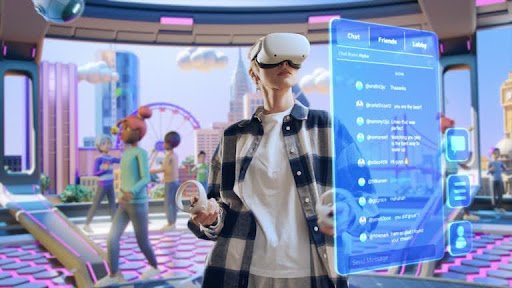
The metaverse is like a giant digital universe you can step into — not just watch on a screen. Using tools like virtual reality (VR) headsets or augmented reality (AR) glasses, you can attend virtual concerts, hang out with friends, go shopping, or even work, all through a digital version of yourself called an avatar.

What makes it different from just a video game or Zoom call is that it is shared, always running, and lets you take your identity and digital items (like clothes or currency) with you as you move from one place to another. It is like the internet, but you’re inside it instead of just looking at it.

Why Accessibility Matters

Imagine entering a virtual world where you cannot read the signs, cannot move around easily, or cannot hear what people are saying. That is the reality for many users with vision, hearing, mobility, or cognitive challenges.

The metaverse is not just for games,it can also be a powerful tool in education. It gives students, teachers, and school leaders new ways to interact and learn.

For students with disabilities, the metaverse can open up more learning opportunities. Instead of being limited to a physical classroom, they can join exciting, realistic virtual lessons from anywhere using VR headsets. This means a student at home and a teacher in another city can still meet in the same digital space and learn together.

This kind of tech makes learning more interactive and flexible, breaking down barriers like location, mobility issues, or special learning needs. It can also make history or science come to life. Imagine walking through ancient Egypt or exploring the solar system, all from your room.

So, what could schools in the metaverse look like soon? Think virtual classrooms, AR lessons, and learning without limits, where every student has a seat, no matter where they are or what they need.

In real life, we build ramps, add captions to videos, and offer braille. In the metaverse, we need to do the same, just in a digital way.

Easy Ways to Make the Metaverse More Inclusive

Here are some simple strategies developers and designers can use to make sure everyone can enjoy these new spaces:

Let People Choose How They Interact

Not everyone uses a mouse or a headset. Some people need voice commands, text controls, or motion sensors. Giving users different ways to interact makes the space easier for all.

Adjust the Experience to Fit Each User

Let people change things like sound levels, brightness, or screen contrast. Some people get overwhelmed easily, so being able to tweak these things can really help.

Make It Easy to Move Around

Not everyone can “walk” through a virtual world. Add simple maps, signs, and even “teleport” buttons to help users get where they need to go without frustration.

Offer Different Ways to Communicate

Some people prefer voice chat, while others may need to type or use sign language. Give users choices so they can connect in whatever way works for them.

Let Avatars Represent Everyone

People should be able to create avatars that look and feel like them, including skin tone, body type, wheelchair use, and more. That helps everyone feel like they belong.

Work With People, Not Just for Them

If you are building for people with disabilities, the best thing to do is ask them what they need. Involving people with real-life experience helps create better solutions. It is not enough to guess, real feedback makes a real difference.

It also helps to create rules or guidelines so that everyone designing metaverse spaces follows the same best practices. Just like websites follow accessibility standards, Web3 should too.

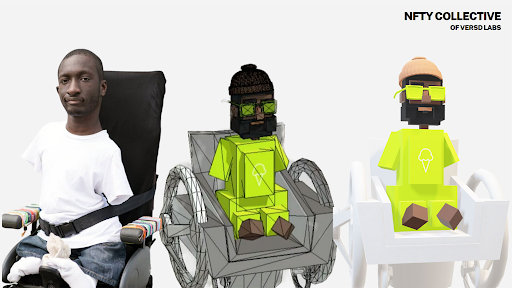
Initiatives working in line with this are the NFTY collective. NFTY is creating avatars based on real people from around the world who have disabilities and are doing amazing things. Instead of offering only celebrity or cartoon-like avatars, NFTY is giving users the option to choose digital identities that look more like themselves.

NFTY Collective- Inclusive Avatars in Wheelchairs

Companies like Meta (Facebook’s parent company) and others are starting to take this seriously, but there is still a long way to go.

The Big Picture

Making the metaverse accessible is not just about helping a few people, it actually makes the experience better for everyone. Clearer navigation, more ways to connect, and easier controls make things smoother for all users, whether they have a disability or not.

If we get this right now, we can build a future where everyone can explore, play, work, and thrive in the digital world.

Web3 Gamification Strategies: Using Design Thinking to Boost User Engagement

0

If it has been a while, you indulged in the little pleasures like reading a book, from cover to cover, not just skimming through, you are not alone. Life is busier than ever. Our to-do lists are overflowing, and everything (phones, smartwatches, smart homes, alerts, social feeds) is competing for our attention. And guess what? Most of us are losing that battle.

In fact, with 227 million Americans regularly playing video games, it is clear that our brains are more tuned into quick engagement and interactive content than passive reading or traditional media. We simply cannot focus the way we used to, and this shift is not just personal — it is changing how we design the digital world.

As business leaders, creators, and builders of the future, this is not a problem to avoid, it is an opportunity to embrace.

The average gamer plays over 8 hours a week. If you have ever seen someone locked into a video game, completely unaware of time passing, you have seen the power of true engagement.

Why does this happen?

Because games tap into our natural urge to compete, grow, and achieve. Whether it is setting new records or leveling up a character, games trigger something deep and human and that is exactly the energy we need to bring to modern apps, platforms, and especially Web3. These Web3 gamification strategies aim to capture that same energy — blending the fun of gaming with the transformative potential of decentralized technology.

What is Web3, Anyway?

Web3 is the next chapter of the internet. It is all about giving people more control and ownership through tools like blockchain, NFTs, tokens, and decentralized apps (dApps).

But here is the big question:
How do we get people to actually use, understand, and enjoy all this new technology?

The answer?

Gamification in web3 and design thinking.

Gamification is when apps or websites borrow fun parts of games like points, levels, and rewards to keep users engaged. Think of earning badges on Duolingo or hitting fitness goals on your smartwatch. That is gamification at work.

But in Web3, it gets even more interesting. You are not just earning digital stickers, you are getting real rewards. By joining challenges on a decentralized app (dApp), you might earn cryptocurrency, unique non fungible tokens (NFTs), or even a say in how the platform is run. In this new version of the internet, your time and effort do not just feel good, they can actually pay off.

When design thinking is added to the mix, it means creating with real people in mind like asking what users need, what confuses them, and what would make an experience delightful, not difficult.

When gamification and design thinking are used together, they turn even complex systems like Web3 into something intuitive, inviting, and addictive (in a good way).

Web3 Gamification: How It Drives Real User Engagement

Instead of making Web3 feel like a tech maze, gamification helps turn it into a journey. A journey full of milestones, stories, and progress.

Here is how:

  • Progress Tracking: Users can see how far they have come and what is next (like levels in a game).
  • Real Rewards: Earn tokens, NFTs, or digital items that have real value.
  • Personalized Experiences: Smart design makes it feel like the app knows you.
  • Storytelling: Users feel like they are part of something bigger: a quest, not a chore.
  • Community & Competition: Leaderboards, teams, and social goals add excitement and purpose.

But there is more…

Most “gamification” stops at badges and leaderboards, but true engagement goes deeper. Video games create whole worlds, full of character development, exploration, and emotional connection.

Want real loyalty and passion? Give users a digital version of themselves — an avatar that grows with them, learns with them, and represents their progress.

This type of design is not just about keeping users online. It is about making them feel something. It is empowerment, not manipulation.

Real-World Examples from Web3

Some projects are already putting this into action:

StepN

Fitness App Advertisement- make your steps count

StepN turns your steps into tokens. Walk, jog, or run — and earn while you move. It’s a clear example of gamified decentralized apps delivering real-world value.

Gucci

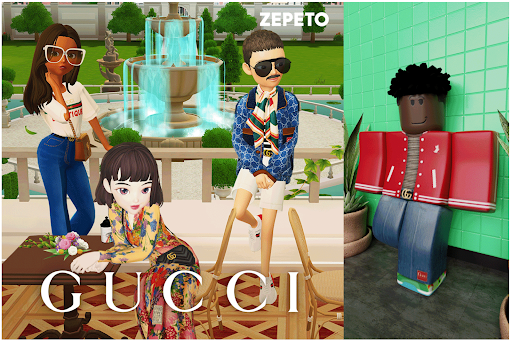
ZEPETO x GUCCI Virtual fashion collaboration

Gucci is mixing fashion with gaming by making cool digital clothes and virtual sneakers for apps like Roblox and Pokemon Go. They’re using fun, interactive experiences to connect with younger, tech-loving fans — a luxury brand using Web3 gamification strategies to stay relevant.

Nikeland

Metaverse Soccer Arena

@calls9

Nike created  NIKELAND,, a fun virtual world where people can play sports like basketball and soccer. Winners earn tokens they can trade for digital Nike gear, making it a cool way to mix gaming with fitness and fashion. It’s a form of gamification in Web3 designed to blend brand engagement and play.

These platforms do not just use Web3 tech. They make people want to explore it, thanks to design thinking for Web3 User Experience (UX) and smart gamification principles.

Caution: Not All Gamification is Good

Throwing points and badges at users without thought? That is not real gamification — that is noise. If it feels like a trick or distraction, people will tune out fast.

That is why design thinking matters. It ensures gamification fits the experience, respects the user, and makes sense for the long term.

Why Gamification and Design Thinking Matter for Web3 Success

We do not need more apps that feel like homework. We need experiences that people look forward to, one that keeps them curious, engaged, and inspired.

Web3 is powerful. But power alone does not win hearts. Fun, value, clarity, and meaning do.

So let us build Web3 like we would build a great game:
With purpose. With creativity. And always, with the user at the center.
Because when tech feels like a game worth playing…
Everyone wins

How FAANG Companies Are Embracing Web 3.0: What Investors Need to Know

0

Still Riding the “Web 3.0” Buzz? Here is the Big Question Investors Are Asking:

Are the tech giants collectively known as FAANG—prepared for the Web 3.0 revolution?

If you keep up with business or financial news, you have probably come across the term FAANG. No, it is not a reference to an animal’s tooth—it is an acronym for five of the biggest names in tech: Facebook (Meta), Apple, Amazon, Netflix, and Google.

These giants have a massive influence on the stock market and the broader economy. Many investors see them as safer bets compared to smaller rivals. But size and popularity do not guarantee future performance—or that they are the right fit for your portfolio.

Let us break it down in simple terms—and explore what it could mean for your stock portfolio.

What Is Web 3.0, Really?

Web 3.0 is all about decentralization—meaning users have more control over their own data, digital assets (like cryptocurrencies or NFTs), and even the platforms they use.

This new internet is being built on blockchain—the same tech behind Bitcoin—and it is pushing ideas like:

  • Digital ownership (you own your content or virtual assets)
  • Smart contracts (automated, no middleman)
  • User privacy (goodbye creepy ad tracking)

Exciting stuff—but also potentially threatening to the old guard.

FAANG in a Web 3.0 World: Adapt or Get Left Behind?

FAANG stocks have dominated the tech world—and the stock market—for the past decade. But Web 3.0 is changing the rules. Below is how each of the Big Five is reacting:

Meta (formerly Facebook)

Meta is diving headfirst into the metaverse—a huge part of the Web 3.0 vision. CEO Mark Zuckerberg is betting billions on creating digital worlds where people can work, play, and even shop with virtual currency. But Meta still relies on ad revenue, which Web 3.0 threatens.

Investor Note:

 Bold vision, but risky. Meta’s long-term bet may take years to pay off—or not at all.

Apple

Apple is not loud about Web 3.0, but it is laying the groundwork. With strong privacy tools, control over hardware (iPhones, Vision Pro), and rumored blockchain-related patents, Apple is positioning itself as a gatekeeper for secure digital identity and transactions.

Investor Note:

 A slow mover in this space—but one with power, trust, and deep pockets.

Amazon

Amazon’s cloud arm, AWS, now offers tools for building blockchain apps. But Amazon’s own business model is highly centralized—Web 3.0 goes against that. So while it is supporting others in the space, it is not fully transforming.

Investor Note:

AWS remains a growth engine, but do not expect Amazon to be a Web 3.0 leader.

Netflix

So far, Netflix has not shown much interest in blockchain, NFTs, or metaverse platforms. That might be fine for now, but some experts believe creators might eventually skip middlemen like Netflix and launch content directly to audiences via decentralized platforms

Investor Note:

Still a strong entertainment brand, but innovation here is lagging.

Google (Alphabet)

Google is embracing blockchain on the back end. Google Cloud supports Web 3.0 projects, and it is investing in AI (which pairs nicely with the “smart web” vision of Web 3.0). But it is also tied to ad revenue, which could be disrupted if users gain more data control.

Investor Note:

Google may not lead the revolution, but it is hedging its bets wisely.

What This Means for Your Investments

Web 3.0 is not a passing trend—it is a shift in how the internet works. But that does not mean you should panic and sell your FAANG stocks. Here is a smart strategy:

  • Diversify: Keep your FAANG shares, but balance them with newer companies leading in blockchain, AI, or digital identity (think Coinbase, Nvidia, Chainlink).
  • Watch the pivot: Some giants (Meta, Apple) are actively adapting. Others may get caught flat-footed.
  • Think long-term: Web 3.0 is still in early stages. The winners (and losers) may take years to fully emerge.

Final Thought

Web 3.0 might be the internet’s next big leap—or a rocky road of trial and error. What is clear is this: the way we invest, create, and connect online is changing. And whether you are holding Meta stock or just curious about crypto, now is the time to pay attention.

Because the internet’s next chapter is being written—and your portfolio might just be part of the story.

Sustainable Design Thinking: Driving Eco-Friendly Innovation for a Better Future

Today’s consumers are not solely in search of excellent products—they seek exceptional products that have a moral compass. Individuals are now concerned about their environment more than ever, and they anticipate that brands should be concerned as well. However, in the haste to innovate, numerous manufacturers and brands fail to consider: at what expense? When design overlooks its ecological impact, it is not only the environment that suffers—the consequences are felt by the businesses and consumers as well.

This is where sustainable design thinking comes in—not merely as an innovation tool, but as a significant framework for creating a more sustainable future. Design thinking is no longer limited to creative studios, it is shaping discussions in boardrooms, connecting visionaries, decision-makers, and real-world challenges.

In this guide, we will examine how design thinking is adapting to respond to the pressing demand for sustainability. You will learn how teams, whether creative or corporate, can develop smarter, more sustainable solutions that connect with consumers, protect the environment, and ensure their brand’s longevity.

Because when we design with the Earth in mind, everyone wins

What does sustainable design thinking looks like?

Design thinking starts with empathy—putting yourself in someone else’s shoes. Traditionally, that means caring about how a user interacts with a product—its comfort, its ease, its function. But today, that empathy needs to stretch further. It means caring for the planet, too.

Designers are people, and people live on Earth. So it only makes sense that design should protect the very place we all call home. But here is the twist: if we only design for convenience, we risk creating wasteful, short-lived solutions that do more harm than good.

Let us dive into what that looks like in practice:

Turning Old into New: Circular Thinking

Imagine your favorite backpack. What if, instead of throwing it away when it breaks, you could repair it—or it could be turned into something else entirely? That is circular design. It is about designing products that live longer lives: reusable, repairable, and recyclable. Some brands are already using leftover fabrics to create new bags or clothes—less waste, more wow.

Letting Nature In: Biophilic Design

Nature makes us feel good—science proves it. So why not bring nature into our designs? Biophilic design uses plants, wood, sunlight, and fresh air in homes, schools, and offices to create calm, healthy environments. It’s not just pretty—it boosts focus, happiness, and even healing.

Old Becomes New Again: Adaptive Reuse

Instead of bulldozing old buildings, architects are finding ways to turn them into something useful again. Think: an old train station transformed into a vibrant community center. This reduces building waste and honors the past while building for the future.

Bright Ideas with Natural Light

Sunlight is free, clean, and beautiful. So why not use more of it? Smart design uses big windows, skylights, and sun-friendly layouts to brighten up rooms without flipping a switch. The result? Lower energy bills and lighter moods.

Designing with the Future in Mind

Sustainable design does not just solve today’s problems—it anticipates tomorrow’s. That means asking:

  1. How can we design fewer throwaway products?
  2. What materials will still be safe, available, and useful in 10 years?
  3. How do we avoid “defuturing”—the idea of limiting the possibilities of the future through bad design?

Every choice today shapes the world we will live in tomorrow.

Everyone’s Voice Matters: Participatory Design

One of the most exciting parts of sustainable design thinking is that everyone gets a seat at the table. Whether you are a student, a shopper, a business leader, or a teacher—your ideas matter. When more people contribute, the result is more creative, inclusive, and truly useful solutions.

Responsibility Is the New Cool

Companies are starting to take social and environmental responsibility seriously—and users love them for it. From eco-friendly packaging to transparent supply chains, brands that walk the talk are gaining customer trust and loyalty.

The Big Picture: Caring for Our Planet

Sustainable design thinking is all about creating a world where people and nature thrive together. By reimagining how we make and use things, we can build a future that is cleaner, greener, and more joyful for everyone.

So, next time you draw, build, or imagine something new, think about how it can help our planet. With your creativity, you can be a hero for the Earth! 

Can AI Predict Your Health from a Selfie? Meet FaceAge

It gets even more fascinating from here. An AI tool that can guess my age just from a selfie? Sounds like science fiction, right? But it is not — it is FaceAge, a new artificial intelligence (AI) tool that can look at your face and tell how old your body really feels, not just how old you are by birth.

This clever tool was developed by researchers at Mass General Brigham, one of the top medical research centers in the U.S. And it is already making waves in the world of medicine.

What is the Big Deal About the “Biological Age”?

We all have a chronological age — that is the number of birthdays we’ve had. But biological age is a little different. It shows how well (or not so well) our body is working compared to the average for our age.

Let us say you are 40 years old, but you eat well, sleep right, avoid stress, and exercise regularly. Your body might actually be functioning like that of a 30-year-old. That is a younger biological age — and that is great!

Now flip it. You could also be 30 but eat poorly, never exercise, and live with lots of stress. Your biological age might be 45 or 50. Not so great.

FaceAge can estimate this by just looking at your face.

How Does FaceAge Work?

FaceAge was trained using tens of thousands of photos of everyday people. It learned to pick up on small signs in the face — like wrinkles, skin texture, and muscle tone — that reveal a person’s health.

Then, researchers tested it with cancer patients. They found that people whose faces looked biologically older than their real age were more likely to have poorer health outcomes.

In fact, FaceAge sometimes predicted survival outcomes better than doctors did, especially for those receiving serious treatment like radiation.

Why Doctors Are Paying Attention

For doctors, this could be a game-changer. FaceAge is not about replacing doctors — it is about giving them another tool to make better decisions.

Let us say someone is considering a tough treatment. If FaceAge shows their body is older and weaker than expected, doctors might adjust the plan to be gentler. If the person is biologically younger, they might handle stronger treatments better.

So, it is about personalized care — giving the right treatment to the right person, at the right time.

What About Privacy and Ethics?

Of course, not everything about this is simple.

  • Privacy: Would you want your face used to predict your health?
  • Fairness: What if the AI works better for some skin tones or ethnic groups than others?
  • Consent: Who owns your data when you upload a photo?

These are big questions that researchers, developers, and healthcare providers need to handle with care. No one wants health tech to turn into a privacy nightmare.

The Future: Could FaceAge Be on Your Phone?

Maybe one day, yes. Imagine an app that checks in on your health with just a selfie — no needles, no tests, just a photo.

You could use it to track your health over time, get early warnings, or even see how lifestyle changes (like quitting smoking or starting exercise) are helping you.

But for now, FaceAge is still in the research and clinical testing phase. It is being used carefully, mostly by doctors and scientists.

So, What Have We Learned?

  • FaceAge is a new AI tool that looks at your face and estimates how healthy you really are.
  • It uses photos and smart algorithms to calculate biological age, which may be more useful than just knowing your real age.
  • It could help doctors give better, more personalized care — especially for people with serious illnesses.

But there are still important questions about privacy, fairness, and how it should be used.

Maybe one day, yes. Imagine an app that checks in on your health with just a selfie — no needles, no tests, just a photo.

You could use it to track your health over time, get early warnings, or even see how lifestyle changes (like quitting smoking or starting exercise) are helping you.

But for now, FaceAge is still in the research and clinical testing phase. It is being used carefully, mostly by doctors and scientists.

So, What Have We Learned?

  • FaceAge is a new AI tool that looks at your face and estimates how healthy you really are.
  • It uses photos and smart algorithms to calculate biological age, which may be more useful than just knowing your real age.
  • It could help doctors give better, more personalized care — especially for people with serious illnesses.

Final Thought

Technology is changing the way we understand health — and sometimes, it starts with something as simple as a photo. Tools like FaceAge remind us that the future of medicine might not just be in hospitals or labs — it might be in our pockets, helping us stay healthier and live longer, one selfie at a time.

Site logo

* Copyright © 2024 Insider Inc. All rights reserved.


Registration on or use of this site constitutes acceptance of our


Terms of services and Privacy Policy.