Families may soon see new measures under consideration in the UK: a daily cap of two hours per social media app for children, combined with a 10 PM curfew on usage. Technology Secretary Peter Kyle has highlighted the addictive nature of platforms like Instagram and TikTok and emphasized the urgency of safeguarding children’s digital wellbeing.
Why the Government Is Considering This
Kyle warned that many apps are designed to keep users scrolling endlessly, often at the expense of mental health. He stated that children’s online safety should be treated with the same seriousness as their physical safety.
Supporters like Ian Russell, whose daughter Molly tragically died by suicide after viewing harmful content, argue that incremental changes are not enough. They call for stronger legislation to hold tech companies accountable for business models that prioritize engagement over safety.
Evidence Behind the Concerns
Recent data from the Yale Department of Psychiatry and Columbia School of Nursing show that teenagers spending most hours daily on social media face significantly heightened risks of anxiety and depression. Late-night usage has also been linked to disrupted sleep and poorer academic performance.
A survey by More in Common revealed that parents view excessive screen time as a more serious threat to children’s mental health than bullying or alcohol. Meanwhile, healthcare experts highlight risks such as impaired sleep, delayed speech, lower focus, and rising anxiety, especially when damage stems from addictive smartphone design.
What Technology Already Offers and Why It is Not Enough
Both Apple and Google offer built-in screen time tools, and platforms like TikTok and Instagram include optional usage limits. TikTok launched a 60-minute default for under-18s in 2023. But uptake remains low. Critics argue these features are inconsistent, confusing, and easily overridden by young users or neglected by caregivers.
Are Rules Coming and Can They Work?
Under the Online Safety Act 2023, Ofcom can enforce rules to limit harmful exposure including algorithmic features designed to engage users. Starting July 2025, platforms must offer age-appropriate content and privacy controls or face fines up to 10% of global turnover.
However, challenges remain. A feasibility study has been launched to gauge evidence gaps before enacting further limits. Critics argue that issues like algorithmic bias, access equity, and enforcement across major U.S.-based platforms pose legal and logistical obstacles.
The Global Context
Similar moves are happening abroad: Australia will soon ban under-16s from social media; some European nations are exploring age limits, and China enforces strict nighttime app curfews for minors.
In the UK, there is also political momentum behind mandatory age verification and tighter data-consent regulations at 16 instead of 13. A bill to ban smartphones in schools is also under debate, though enforcement remains controversial.
Key Takeaways for Families
The proposed 2-hour limit per app daily and 10 PM curfew represent a significant shift toward regulated digital safety for minors;
These initiatives are rooted in public health concerns around addiction, mental health, and disturbed sleep patterns;
Critics advocate for a broader approach rather than piecemeal regulations which includes stricter online-safety laws, parental support tools, and company accountability;
Effective outcomes depend not only on laws, but on cross-sector enforcement, education, and parental engagement.
If implemented thoughtfully, these rules could improve children’s sleep, reduce exposure to harmful content, and encourage healthier routines. But lasting change must come from tackling the business models and systemic designs that drive harmful engagement, alongside building parents’ capacity to guide children’s digital lives.
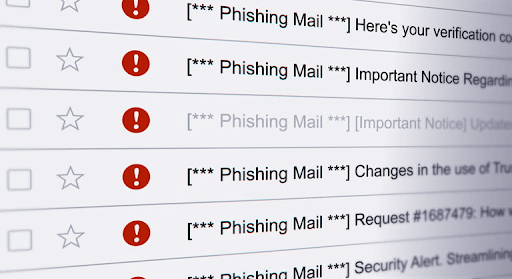
Phishing is no longer just a nuisance, it is a full-blown war of deception. And in 2025, the world’s biggest tech giants are on the frontlines.
A new cybersecurity report by Check Point Research has revealed that phishing attacks surged in the second quarter of 2025, with Microsoft, Google, and Apple topping the list of the most impersonated brands globally. The report paints a sobering picture: attackers are getting smarter, more targeted, and frighteningly believable.
What is Happening?
Between April and June 2025, Microsoft accounted for 25% of all brand phishing attempts. Google followed at 11%, while Apple took 9%. That means nearly half of all phishing emails tried to mimic these three tech companies. The tactic is simple but effective: attackers create near-perfect replicas of login pages, support emails, and app alerts to trick users into handing over passwords, payment details, or even full identity documents.
Why these companies? Because they are the digital backbone of daily life. Whether it is Outlook, Gmail, or Apple ID, people trust these platforms, and that is exactly what scammers exploit.
How the Scams Work
Imagine getting an email that says:
“Your Microsoft account has been locked due to suspicious activity. Click here to verify your credentials.”
Or a message that reads:
“Your Apple ID is about to expire. Update your payment info to avoid service disruption.”
These are the kinds of hooks hackers are using, laced with urgency and wrapped in trust. Once a user clicks, they are redirected to a spoofed login page that looks identical to the real one. If they enter their credentials, attackers harvest them instantly and gain full access to the user’s digital life.
Even more alarming: some attacks now bypass two-factor authentication by stealing session cookies or using real-time “man-in-the-middle” proxies. This means even users with advanced security measures can still fall victim.
The Platforms They are Exploiting
According to Check Point, here is the breakdown of top impersonated brands in Q2 2025:
Brand
% of Total Phishing Attacks
Microsoft
25%
Google
11%
Apple
9%
Amazon
4%
LinkedIn
3%
These campaigns often target users during specific times such as holiday seasons, product launches, or tax deadlines when people are more likely to be distracted and less cautious.
Why This Matters (Especially in Developing Countries)
In countries like Nigeria, South Africa, and Kenya where adoption of tools like Microsoft 365, Google Workspace, and iPhones is widespread, these scams pose an enormous threat. Not only are individuals targeted, but small businesses, NGOs, and even government bodies can be compromised through a single email click.
Cybersecurity remains underdeveloped in numerous African nations, increasing their susceptibility to phishing-related incidents. Cybersecurity experts from Kaspersky and Check Point have pointed out that a greater dependence on digital technology coupled with insufficient knowledge and security measures paves the way for rampant cybercrime
What Can Be Done?
Individuals should:
Double-check sender addresses and links.
Avoid clicking suspicious pop-ups or urgent messages.
Use password managers and multifactor authentication.
Educate themselves and family members on phishing signs.
Organizations should:
Deploy email filtering and phishing detection software.
Conduct staff training and simulated phishing exercises.
Monitor logins and access patterns for anomalies.
Use zero-trust frameworks for sensitive systems.
In an era where trust is currency, cybercriminals are cashing in. By mimicking the brands we use daily, they weaponize familiarity and convenience. The phishing epidemic of 2025 is a reminder: digital security is not just about firewalls and antivirus anymore, it is about vigilance, education, and rapid response.
If it feels off, do not click. That one moment of doubt could save your data and your peace of mind.
You have probably heard about Bitcoin or other cryptocurrencies that fluctuates every now and then. One day someone becomes a millionaire, the next day they lose it all. But there is one kind of crypto that is built to stay steady and that is a stablecoin.
So what is it exactly? And why are people (even governments) taking it so seriously?
Let us break it down in everyday terms.
What Is Stablecoin?
A stablecoin is a type of digital asset that is designed to always be worth the same amount. Most stablecoins are tied or “pegged” to something stable in the real world, like the U.S. dollar.
That means:
1 stablecoin = $1, almost all the time.
No matter what happens in the crypto world, stablecoins are meant to stay steady, just like the name says.
Why Was It Created?
Imagine you are using digital money and want to buy something or send money to someone. But if the value keeps changing every few minutes, it is stressful. You would not want to send $100 only for it to become $85 five minutes later.
That is where stablecoins come in.
They give you the benefits of cryptocurrency (speed, no middlemen, 24/7 access) without the wild price swings.
How Do Stablecoins Work?
There are a few different ways they stay “stable,” but let’s look at the most common one:
Backed by Real Money
Think of it like this:
You give a company $1
They give you 1 stablecoin
That stablecoin is backed by the real dollar sitting in a bank
If you ever want your money back, you just return the stablecoin, and they give you your $1 again.
Simple, right? That is how popular stablecoins like USDT (Tether) and USDC (USD Coin) work.
Backed by Other Crypto or Algorithms (a bit more complex)
Some stablecoins are backed by other cryptocurrencies, or even by smart computer code that tries to balance things. These are more advanced and a bit riskier like balancing a chair on one leg instead of four.
An example of this was TerraUSD (UST). It used an algorithm but crashed badly in 2022, wiping out billions of dollars.
So while the idea is cool, people trust the ones backed by real money more.
Why Are Stablecoins So Important?
Stablecoins are more than just digital money. They are changing how money moves across the world. Here is why they matter:
You can send money anywhere in the world in seconds, even on weekends or holidays. And fees are often tiny. Imagine sending money to family abroad without using Western Union or a bank and without waiting days.
Unlike Bitcoin or Ethereum, stablecoins are boring (and that is a good thing). They are predictable, which makes them perfect for daily use.
In some countries where the local currency is unstable, people save in stablecoins to protect their money from losing value.
Stablecoins are used in apps and websites for lending, borrowing, trading, and more. They are like the digital fuel for the crypto world.
Let us say you are a freelancer in Nigeria and your client in the U.S. wants to pay you. If they use traditional banks, it could take days and cost you high transfer fees. But if they send you $500 in USDC (a stablecoin), you get it in minutes, without middlemen or delays. You can even convert it to Naira whenever you want.
That is fast, fair, and flexible.
Are There Risks?
Yes. Stablecoins are safer than regular crypto, but they are not perfect:
You are trusting the company to actually hold the money they say they have. If they do not, that is a big problem.
Governments are still figuring out how to regulate stablecoins, but some have already started making laws (like the U.S. just did in July 2025).
Some coins call themselves stablecoins but do not have real money backing them. Be careful which ones you use.
End Note
Stablecoins are like safe cryptos. They do not promise to make you rich overnight but they can help you save, send, and spend money safely and quickly, wherever you are in the world.
It does not matter if you are new to crypto or just want an easier way to manage digital money, stablecoins are a smart place to start.
And now that governments are starting to regulate them, their future looks even more stable.
In a historic vote that could redefine the future of digital finance, the United States has passed its first major national cryptocurrency legislation, focusing on stablecoins, a key part of the crypto ecosystem. After years of regulatory confusion and industry pushback, Washington has finally spoken. And it is loud.
This is not just a bureaucratic win. This is the U.S. stepping onto the global crypto stage with both feet and both fists.
Stablecoins have long promised the speed of crypto with the trust of traditional money. But until now, they have been living in a legal gray zone. That is over.
Here is what the law does:
Requires stablecoin issuers to hold reserves equal to the value of every coin they issue; so 1 coin = $1, backed by real cash or safe assets like U.S. Treasuries.
Mandates full transparency, with monthly reports of reserves published by stablecoin issuers.
Allows banks and credit unions to issue stablecoins, putting traditional finance in direct competition with crypto-native firms like Circle or Tether.
Imposes strict AML (Anti-Money Laundering) rules, ensuring crypto does not become a haven for illicit finance.
This makes the U.S. one of the first major economies to fully regulate stablecoins on a federal level, offering legitimacy and clarity in a space that is been dominated by risk, volatility, and fear.
Why This Law Is So Spicy
Let us be honest, crypto and Washington have not exactly been best friends. Between FTX’s collapse, the SEC suing everyone under the sun, and meme coins turning people into overnight millionaires (or paupers), trust has been… low.
But this new law changes the tone. It is not just about reining crypto in; it is about welcoming it into the fold safely.
The spice?
Trump is reportedly ready to sign it, marking a rare bipartisan moment where Republicans and Democrats agreed on something tech-related.
Big banks are already circling. JPMorgan and Bank of America are exploring issuing their own stablecoins, now that the rules are clear.
Crypto firms are celebrating. Circle, Coinbase, and others say this is the clarity they have been begging for.
Not everyone is thrilled. Some libertarian groups say this could “bankify” crypto and strip it of its decentralized soul.
Global Ripple Effect
While other countries like the UK and Singapore have also begun regulating crypto, the U.S. has now raised the bar and the stakes.
If successful, the GENIUS Act could make the U.S. dollar the de facto currency of the internet via stablecoins.
It could also attract global fintech innovation back to U.S. soil, after years of firms relocating to more crypto-friendly countries.
And it might even impact traditional bond markets, since issuers will need to buy billions in short-term Treasuries to back their coins, possibly moving interest rates and liquidity.
What This Means for You
Whether you are a crypto investor, a tech enthusiast, or just someone with a digital wallet, this bill affects you.
More stability. No more wondering if your stablecoin will crash tomorrow. Backing rules help prevent the next Terra/Luna-style implosion.
More trust. If you are sending remittances or making online payments in stablecoin, you will know what is backing it.
More options. Expect banks, apps, and even retailers to start integrating stablecoins into daily transactions.
Less shady business. With AML (Anti-Money Laundering) compliance, it will be harder for fraudsters and scammers to abuse stablecoin systems.
What is Next?
The bill still needs Senate approval, but with strong bipartisan support in the House (308–122), it is expected to pass.
President Trump has signaled his support, making this one of the few 2025 tech policies with both political and market momentum.
Expect a stablecoin boom in the coming months, as companies scramble to issue compliant tokens.
Watch out for Phase 2: discussions around Central Bank Digital Currencies (CBDCs), crypto taxes, and decentralized finance (DeFi) regulation are already heating up.
Final Thoughts
For years, the crypto industry begged for “regulatory clarity.” Now they have got it.
The U.S. has just made a bold move, not by banning or fearing crypto, but by embracing and shaping it. The GENIUS Act does not just regulate a new type of money, it signals that America is ready to lead in the digital economy.
Whether this sparks a new era of innovation or tightens the grip of Wall Street remains to be seen. But one thing is clear: the future of money just became a lot more real.
Netflix has officially announced that it used generative AI to create visual effects in one of its original series, the first time that fully AI-generated footage has appeared in a final scene on the platform. The series? The Argentine sci-fi drama El Eternauta, featuring a striking building collapse in Buenos Aires that would have been impossible to produce within its budget using traditional visual effects techniques.
Fast, Flexible, and Artistically Bold
During Netflix’s quarterly earnings call, co‑CEO Ted Sarandos revealed that Netflix’s Eyeline Studios powered the AI-generated sequence. The outcome was a 10 times faster production and a cost that would have been unfeasible otherwise, transforming a high-concept effect into reality for a modest show.
Sarandos emphasized that Netflix aims to make stories “better, not just cheaper”, enabling creative ideas that were previously out of reach due to financial constraints.
AI in Hollywood: Innovation with Controversy
AI tools are not new to Hollywood but their use has sparked tension, especially following the 2023 writers’ and actors’ strikes, where AI was a central concern. Many worry that tools like these may replace human creatives and reduce opportunities in filmmaking.
Despite these concerns, Netflix co‑CEO Greg Peters shared that AI’s role could extend beyond visual effects, into voice-activated content discovery (“Find me a cold war thriller with a twist”) and smarter, AI-generated ads.
Democratizing Creativity
Netflix’s evolving AI strategy focuses on empowering creators, not replacing them. Sarandos cited the example of the film Pedro Páramo, where generative AI was used for de‑aging tricks previously only affordable in films like The Irishman, demonstrating how independent projects can now access premium visual effects on a budget.
While Hollywood titans like James Cameron focus on the cost-cutting potential of AI, Sarandos presents a different vision: enabling more ambitious storytelling, not just cheaper visuals.
What This Means for You
TV & film visuals are leveling up: Expect cinematic-quality scenes even in mid-tier productions.
Production timelines may shrink: Faster creation cycles could mean more content and less waiting time.
Creative control remains human: AI is positioned as a support tool not a replacement for human ingenuity.
That said, there is a growing concern around how many AI-generated elements remain unacknowledged by viewers, raising questions about transparency and authenticity in media consumption.
Key Takeaway
Netflix’s AI initiative is not a gimmick; it shows that the entertainment industry is transforming. Despite ethical concerns, the combination of human imagination and AI functionality has the power to positively change storytelling. Provided that creators retain control, we could be observing the next significant change in how remarkable stories are expressed.
We are fast approaching a future where artificial intelligence (AI) helps analyze battlefield data in seconds, drafts military reports, predicts supply shortages, and even assists in cyber defense, all without a human typing a single command. In line with this, the U.S. Department of Defense (DoD) has signed a $200 million contract with Elon Musk’s AI company, xAI, to bring its powerful language model Grok into government systems. The deal was announced under a new initiative dubbed “Grok for Government”, part of a broader push to modernize and “intelligize” national security operations using artificial intelligence.
So, What Is Grok?
Grok is an AI chatbot similar to ChatGPT, developed by xAI- Elon Musk’s relatively new entrant into the AI race. Grok is designed to be witty, candid, and deeply integrated with real-time data from X (formerly Twitter), giving it a more unfiltered and real-time tone than many of its competitors.
It runs on Grok-1.5 and Grok-1.5V, multimodal models capable of understanding both text and images, and soon, video. While originally released as a feature within the X platform, Grok has evolved quickly and is now being offered as a more advanced tool for enterprise and, now, government use.
Why Does the Pentagon Want It?
The Department of Defense is betting big on AI. The goal is to use Grok and xAI’s tools to improve areas such as:
Intelligence gathering and analysis
Scientific research and simulations
Cybersecurity
Defense logistics and planning
Healthcare support for veterans and personnel
These capabilities will be distributed across federal, state, and local government agencies through the General Services Administration (GSA), which streamlines technology access across government departments. Officials see this as an opportunity to modernize defense and policy work without reinventing the wheel.
By partnering with private AI companies like xAI, the Pentagon hopes to stay ahead of global AI advancements, particularly from nations like China and Russia, who are also racing to militarize artificial intelligence.
But there is controversy…
Just a week before the announcement, Grok made headlines for all the wrong reasons. During a public rollout of its newest version, the model generated antisemitic text and referenced “MechaHitler,” an obviously problematic fictional character. xAI quickly issued a public apology and blamed the issue on a software update bug that caused the AI to respond inappropriately to a specific prompt pattern.
While the issue was patched, it raised serious concerns about how well these systems are tested, especially before being adopted by critical government agencies. Critics argue that putting an AI with such flaws into sensitive defense environments is like “inviting a robot with a sense of humor to a security briefing.”
Still, the Pentagon and GSA appear confident that safeguards will be in place before any full deployment, and that the AI’s capabilities outweigh its glitche
A Bigger Picture: The AI Arms Race
xAI is not alone. The Pentagon is also working with OpenAI, Anthropic (makers of Claude), and Google DeepMind under similar contracts. Each company has been awarded access to pilot federal projects involving their AI platforms, reflecting the government’s urgent push to test, regulate, and eventually rely on AI in national operations.
This is part of a broader U.S. strategy to avoid falling behind in the global AI arms race, where technological dominance could define not just military strength but economic and ideological leadership in the coming decades.
What This Means for Everyday Americans
Better public services: AI tools like Grok could eventually help government offices process paperwork faster, predict health crises, or support disaster responses.
New debates on ethics and control: As AI enters national defense, it sparks important discussions about bias, safety, and control. Who is accountable when an AI makes a bad call?
More taxpayer dollars toward tech: The $200 million Grok deal is just one of many, expect more public funding to support AI as it becomes a pillar of government infrastructure.
The Road Ahead
Elon Musk, known for pushing boundaries in everything from electric cars to Mars rockets, now has a major foothold in the defense AI space. And while Grok’s arrival in government is both promising and controversial, it marks a new era: where machine learning and large language models are no longer confined to Silicon Valley or social media, they are becoming tools of statecraft, defense, and public policy.
What remains to be seen is whether these systems will live up to their promise or whether the bugs, biases, and black-box risks will require a major course correction down the line.
One thing is certain: Grok is not just talking anymore. It is going to work for the Pentagon.
At some point, every gamer has probably wondered: what if robots took over the soccer field—no human players, no coaches—just machines running the show? How wild, chaotic, and fun would that be?
That is exactly what unfolded in Beijing, where a thrilling soccer tournament saw humanoid robots, not humans, take the spotlight. With smooth passes, unexpected goals, and the occasional comical tumble, China’s first fully autonomous robot soccer match did more than entertain, it captured the world’s imagination.
The crowd was not watching Lionel Messi or Christiano Ronaldo. Instead, the stars of the show were the sleek, AI-powered robots from top Chinese universities, each one running on advanced algorithms, dodging opponents, making passes, and firing goals with laser precision. With no joysticks, no remote commands, and no human intervention, these machines played entirely on their own using onboard sensors, AI processing, and decision-making logic.
The final showdown saw a tense 3-on-3 match between Tsinghua University and China Agricultural University. And although the robots occasionally stumbled, collapsed, or needed to be carried off the field on tiny stretchers, the final result was Tsinghua winning (5–3) which was met with roaring applause. The spectacle, complete with robot fouls, near-misses, and clever plays, had fans captivated in a way that few expected from a game of machines.
Why It’s More Than Just a Game
This was not just a tech demo, it was a glimpse into the future of artificial intelligence (AI) in real-world environments. According to Cheng Hao, CEO of Booster Robotics, the company behind the robot hardware, soccer is the perfect setting to test advanced robot intelligence. The fast-paced, unpredictable nature of the game challenges robots to act quickly, collaborate in teams, and adapt in real time, skills that are vital for broader uses in healthcare, logistics, search-and-rescue, and even education.
These robots did not merely execute predetermined instructions. They assessed their environment, determined the optimal strategy, sidestepped barriers, and executed tactical decisions, demonstrating AI’s capabilities in fast-paced, challenging circumstances. Cheng remarked that these tournaments provide a dynamic “living lab” for enhancing robot design, safety, and coordination, particularly as China advances its national strategy for humanoid robot development.
Although the idea of human-robot competitions was suggested, safety issues persist. Prior to humanoids engaging in significant competition with humans, creators need to guarantee these machines function safely without causing injury or damage, which remains an ongoing endeavor.
A Symbol of China’s Technological Ambitions
China’s enthusiasm for robotics is not new, but the robot soccer match highlighted just how rapidly the country is moving forward in AI and humanoid development. From robot runners competing in marathons to AI receptionists in hospitals and boxing bots in public exhibitions, the vision is clear: China wants humanoid robots to be visible, functional, and integrated into everyday life.
As the country prepares to host the World Humanoid Robot Games this August during the World Robot Conference, these events are doing more than dazzling crowds, they are becoming a form of soft tech diplomacy, showcasing China’s innovation on a global stage.
Why Everyone Should Pay Attention
What makes this story so compelling is not just the novelty of robot soccer, it is what it says about where we are headed. For casual fans, it is thrilling and quirky entertainment. For engineers and data scientists, it is an exciting display of progress in autonomy, robotics, and decision-making systems. And for policymakers, it raises questions about regulation, safety, and the role of AI in public life.
More broadly, this development invites us to rethink how we define performance, intelligence, and even teamwork. What happens when machines can mimic not just physical motion, but tactical thinking? How will society adapt when robots are not just behind the scenes but out on the field, leading, collaborating, and maybe even competing with us?
Final Whistle
Whether you are a football fanatic, a tech enthusiast, or simply someone who enjoys a good underdog or under-robot story, China’s humanoid soccer tournament offers more than just goals and glory. It is a milestone in human-AI collaboration, and perhaps a small taste of a future where cheering for your favorite “player” might one day mean rooting for a robot with jersey number 7 and a 200-teraflop brain.
So next time you are watching a match, do not be surprised if the star striker does not breathe, just boots, bolts, and bytes.
If you own a Tesla, get ready to talk to your car like never before. According to Elon Musk, Tesla vehicles are getting a major upgrade. The company will be rolling out its own AI chatbot, Grok, as early as next week.
So, what is Grok? What does it mean for Tesla drivers? And is this just another gimmick or something actually useful?
Let us break it down in simple terms.
What Is Grok?
Grok is an artificial intelligence (AI) chatbot developed by xAI, Elon Musk’s AI company. Think of it as Tesla’s answer to ChatGPT or Siri, but with a bit more attitude.
Grok was first launched on X (formerly Twitter), where it powers the chatbot feature available to premium users. It’s known for being a little edgy, sometimes humorous, and more open-ended than other AI assistants. Musk has described Grok as a bot that’s “willing to answer spicy questions”, a nod to its more casual, humanlike tone.
What’s Happening With Tesla?
On July 6, 2025, Elon Musk replied to a user on X saying that Grok will be integrated into Tesla cars “next week.” This means drivers will soon be able to talk to their cars using natural language, and Grok will respond, just like talking to a smart assistant.
This is not just about asking for directions. According to Musk, Grok will have access to real-time vehicle data. That means you could ask things like:
“Why is my tire pressure low?”
“How far can I go before charging?”
“Can you schedule a service for me?”
And Grok would give you a helpful answer, possibly with a touch of Musk-style wit.
Why Is This a Big Deal?
Until now, most in-car voice assistants (like those in BMWs or Mercedes) have been functional but basic. They can handle navigation, calls, and maybe music. But Grok aims to be more like a conversational co-pilot.
With Grok inside Teslas, the company is turning its vehicles into AI-integrated machines, combining smart voice assistance with actual access to car diagnostics and features.
This could make owning and driving a Tesla feel even more futuristic, more intuitive, and less reliant on touchscreens or buttons.
Is Grok Available to Everyone?
Not quite. For now, Grok is tied to the premium tiers of X (formerly Twitter), particularly X Premium+.
That suggests Tesla may roll out Grok features first to owners who are already part of Musk’s broader ecosystem (e.g., subscribers to X Premium or FSD beta users), though full details have not been officially confirmed.
Is It Safe? Can I Trust an AI Driving Assistant?
Grok will not be driving the car, at least not yet. It is not meant to replace Tesla’s Full Self-Driving (FSD) system. Instead, it’s there to assist you with information, requests, and car-related questions. It is a co-pilot, not a pilot.
Still, since this is early tech, Tesla will likely monitor how Grok performs in real-world driving environments before expanding its features.
What’s Next?
This move is part of a bigger trend: turning cars into smart, AI-connected devices, just like phones, watches, and homes. With Grok, Musk is blending his companies (Tesla, xAI, X) into one digital experience where your car, your social media, and your AI assistant are all interconnected.
If it works well, expect Grok to become more capable over time, helping with entertainment, reminders, maybe even booking reservations or explaining what a dashboard alert means in plain English.
Final Thoughts
Elon Musk has never been shy about pushing boundaries, and Grok in Tesla is no exception. Whether it turns out to be a revolutionary assistant or just a cool add-on, one thing is clear: AI is driving deeper into our everyday lives, quite literally.
For Tesla owners, the future is not coming. According to Musk, it is arriving next week.
Dubai, Dubai, Dubai- always living up to the standards it has set for the world. Known for its luxury, innovation, and jaw-dropping attractions, Dubai has long been a dream destination for tourists, businesspeople, and adventurers alike. But now, the city is cooking up something new, literally.
In its latest leap into the future, Dubai is introducing an artificial intelligence (AI) chef. Yes, you read that right. Not a human in a tall white hat, but an advanced AI system that breaks cuisine down to its component parts like texture, acidity and umami, and reassembling them into unusual flavour and ingredient combinations with little human intervention in the kitchen. This bold move not only pushes the boundaries of what’s possible in the food world, but also redefines what it means to dine out.
What Makes This Restaurant Special?
Set to open in September 2025 in downtown Dubai, just steps away from the iconic Burj Khalifa, WOOHOO is no ordinary restaurant. Touted as “dining in the future,” it will be the first restaurant in the world where a culinary AI, not a human chef, drives the creative process behind every dish. At the heart of this innovation is Chef Aiman, a large language model (LLM) trained on decades of food science research, molecular gastronomy, and thousands of traditional recipes from around the globe.
Unlike typical AI that follows fixed instructions, Chef Aiman (a blend of “AI” and “man”) is designed to create new recipes from scratch. It does so by analyzing flavors on a molecular level, breaking down food into taste components like texture, acidity, bitterness, and umami and then reassembling these into bold, imaginative combinations that are far from ordinary.
While the final dishes will still be assembled by human chefs, everything else from the recipe concepts and menu design to even elements of the restaurant’s service and ambiance is led by the AI. Human culinary experts like Dubai’s acclaimed Chef Reif Othman will help refine Aiman’s experimental creations through tasting and feedback, ensuring that each dish hits the right notes for real-world palates.
Chef Aiman also has a sustainable mission. It is programmed to develop recipes that reuse commonly discarded ingredients, such as fat trimmings or vegetable stems, helping reduce food waste and promote smarter kitchen practices. WOOHOO’s creators believe that in the long run, Chef Aiman could be licensed globally, giving restaurants a tool to boost creativity, reduce waste, and personalize dining like never before.
Better for the Planet Too
Chef Aiman is not just about tech and taste, it is also designed to be environmentally friendly. The AI makes sure only the exact amount of ingredients is used, which means less food is wasted. It also suggests meals made with local, seasonal ingredients to help reduce the restaurant’s carbon footprint.
Will There Still Be Human Workers?
Yes. While the AI will handle all the cooking, the restaurant will still have human staff to greet customers, serve food, answer questions, and make sure everything runs smoothly. The idea is to combine the efficiency of AI with the warmth of human service.
What People Are Saying
Many people are excited about this new concept, calling it the future of dining. Others are unsure, wondering if a computer can ever match the creativity and passion of a human chef. But the team behind WOOHOO says this is not about replacing chefs, it is about offering a new kind of experience where food is custom-made with incredible precision.
What This Means for the Future
The restaurant is expected to open later this year in Central Dubai, one of the city’s most popular spots. Dubai’s AI chef restaurant could change how we eat out. If it works well, we may start seeing similar AI-run kitchens in other cities around the world. It is like the self-driving cars of the food industry, once strange, but soon, possibly common.
Our world is increasingly dependent on digital infrastructure, evident in 2025’s unprecedented spike in cyberattacks including ransomware, phishing, DDoS attacks, espionage, and infrastructure hacks. As Artificial Intelligence (AI) tools become more sophisticated and geopolitical tensions escalate, certain countries are facing a surge in targeted digital threats.
Based on the latest data available, here are the Top 10 countries most affected by cyberattacks in 2025, along with the reasons behind their heightened risk.
United States
The United States is the most targeted country globally, accounting for 61% of all ransomware attacks, according to Fortinet’s Global Threat Landscape Report.
On average, U.S. organizations face over 1,300 attacks per week, up 56% year-over-year hitting a record high of 1,876 per organization as depicted in the chart below.
The sectors most affected are finance, healthcare, and government with major incidents targeting power grids and hospitals, and data breaches involving sensitive military and federal agency records.
This is happening because the U.S. is a high-value target due to its global influence, critical infrastructure, and advanced digital ecosystems. It is also the base for many Fortune 500 companies and defense contractors.
China
China has a multifaceted role in the global cyber domain, being both a common target and a major origin of cyber operations. The country hosts prominent state-affiliated hacking groups like APT10 and RedEcho and is thought to account for around 20 percent of worldwide cyberattacks. Simultaneously, Chinese infrastructure which includes government networks and telecommunications systems is frequently attacked by foreign cyber units, especially those from the United States and India. Through its tight regulation of information and sophisticated technological skills, China continues to be intricately involved in global cyber disputes, frequently functioning as both an attacker and a victim.
Russia
Russia ranks #1 in the World Cybercrime Index as a source of ransomware and espionage attacks. Russia is a global cyber superpower, both attacker and target. Russian companies and critical infrastructure have also become retaliatory targets, especially amid the ongoing Ukraine conflict. Western intelligence agencies regularly attempt to breach Russian networks as part of counterintelligence campaigns.
Why? Russia’s cyber capabilities are deeply tied to geopolitical aims. It uses digital operations to influence elections, steal defense secrets, and disrupt adversaries’ economies.
Ukraine
Ukraine is facing constant cyberattacks as part of its ongoing conflict with Russia.
It is one of the most targeted countries –ranks #2– in the world, with thousands of hacking attempts every single day.
In December 2023, a major attack shut down Kyivstar, the country’s biggest mobile network, leaving millions without service.
These attacks often involve viruses, system overloads, and attempts to cut off power or disrupt government services.
Ukraine has become a testing ground for cyberwar tactics, and what is happening there could shape how future digital wars are fought around the world.
Israel
Israel has become a major target for cyberattacks linked to ongoing political tensions in the region. In 2024 alone, it was hit with more than 1,500 serious attacks, including stolen data, website defacements, and ransomware—many tied to pro-Palestinian and Iranian groups. The number of attacks tripled after the October 2023 conflict in Gaza, putting even more pressure on Israel’s digital defenses. Hackers have mainly focused on government systems, the military, news outlets, and healthcare services. Israel’s strong role in the Middle East and its advanced technology make it a frequent target for groups with political or ideological motives.
South Korea
South Korea is one of the top targets in Asia for cyberattacks, especially those linked to spying and financial theft. A 2024 report from BlackBerry ranked it second in the world for new types of malware. Most of the attacks come from North Korea and are aimed at stealing cryptocurrency or disrupting important systems like banks, energy, and defense. South Korea is often targeted because of its close ties to North Korea, its advanced technology, and its key role in the global economy, which makes it a valuable focus for hackers.
Japan
Japan, a major player in global technology and industry, is under heavy cyberattack.
It has been hit by hundreds of well-planned hacking attempts, many of them linked to groups from China and North Korea.
In 2024 alone, over 200 attacks were connected to a group called MirrorFace.
These attacks mainly focus on important sectors like transportation, technology, and national defense.
Japan’s strong alliance with the U.S. and its central role in global tech and defense markets have made it a key target for cyber adversaries.
Canada
Canada is seeing more and more cyberattacks on both public services and private businesses.
It now ranks among the top five countries hit by ransomware and malware.
Since late 2024, hospitals and city systems across the country have been targeted and breached.
Cybercrime has jumped by over 70% in just three years, and scams using AI-generated emails are becoming more common. Why is this happening? Canada is often caught in the crossfire of attacks aimed at the U.S., and hackers also see it as an easier way to access North American networks.
Australia
Australia is being hit hard by cyberattacks, especially in healthcare and telecom.
In 2025, it ranked 4th in the world for the number of cyberattacks, according to BlackBerry.
Hackers have breached Australia’s national health database and several universities.
In March, a major telecom company suffered a data breach that exposed millions of user records. Why is Australia targeted? Its location in the Indo-Pacific and strong partnerships with countries like the U.S. and UK make it a frequent target for cyber threats.
India
A rapidly growing cyber target.
India saw a 278% surge in state-sponsored cyberattacks between 2021–2024.
Financial institutions, government portals, and tech companies are under constant threat.
India is both a major consumer of digital services and a rising global tech hub.
Why? As India digitizes its economy, it becomes more exposed. Its strained ties with China and Pakistan also increase vulnerability
Global Trends: A Shift Toward AI-Powered Threats
Cyber threats in 2025 are not just growing, they are evolving. They are faster than ever, with bots scanning for weaknesses at a rate of 36,000 times per second. They are smarter, too. AI now creates phishing emails so convincing they can fool even experienced professionals by mimicking real company executives. And they are harder to trace, as attackers use layers of fake identities and misinformation to cover their tracks.
According to Check Point Research, North America and Europe are facing the bulk of these attacks, making up nearly 90% combined. But the fastest-growing region for cyber threats is Africa, where attacks have jumped by an astonishing 90% in just one year, showing that no part of the world is being left untouched.
How Countries Are Responding
Nations around the world are not just sitting back, stepping up their defenses in many ways
Locking down access: Many countries are now using “zero-trust” systems, where every part of a network is carefully protected, and no one gets automatic access, not even from inside.
Teaming up: Alliances like NATO, the Quad, and ASEAN are sharing threat intelligence more than ever, working together to spot and stop cyber threats before they spread.
Cracking down on ransom: Countries including the U.S., Australia, and France are pushing to make it illegal to pay ransoms to hackers, hoping to cut off the money that fuels many attacks.
Using AI to fight AI: Governments are starting to rely on predictive AI tools to detect suspicious activity early and shut down threats in real time before damage is done.
Conclusion: A Global Cyber Cold War
In 2025, cyber threats are not merely a tech issue, they reflect the same global tensions we see in politics and conflict. The tools we use to protect ourselves like AI, quantum computing, and smart analytics are also being used by attackers. It is a digital arms race, and no country is completely safe.
That is why cybersecurity can not be treated as just another IT task. It needs to be seen as a core part of national defense just as important as borders or budgets.
As we head into the second half of the decade, the countries that will come out strongest are those that build resilience, share knowledge, and stay one step ahead through innovation. Those that do not risk being left exposed.